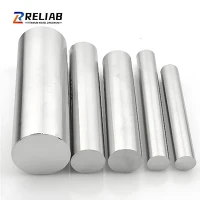
When it comes to choosing the right scooter bar, materials play a crucial role in determining performance, durability, and overall user experience. In the market, aluminum has long been a popular choice for scooter bars due to its relatively low cost and decent strength. However, in recent years, Grade 9 titanium has emerged as a high - performance alternative. As a supplier of Grade 9 Titanium Scooter Bars, I am excited to delve into a detailed comparison between Grade 9 titanium scooter bars and aluminum scooter bars.
1. Material Properties
Grade 9 Titanium
Grade 9 titanium, also known as Ti - 3Al - 2.5V, is an alpha - beta titanium alloy. It offers a remarkable combination of strength, low density, and corrosion resistance. The alloy has excellent fatigue resistance, which is particularly important for scooter bars as they are subjected to repeated stress during use. The strength - to - weight ratio of Grade 9 titanium is significantly higher than that of many other materials, including aluminum. This means that a Grade 9 titanium scooter bar can be lighter while still maintaining high strength.
For more information on titanium bars, you can refer to ASTM F136 TI6AL4V ELI Titanium Bar and Small Diameter Titanium Rod For Medical.
Aluminum
Aluminum is a widely used metal in the scooter industry. It is known for its light weight, good formability, and relatively low cost. Aluminum alloys commonly used for scooter bars, such as 6061 - T6, offer a decent level of strength. However, compared to Grade 9 titanium, aluminum has a lower strength - to - weight ratio. This means that to achieve the same level of strength as a Grade 9 titanium bar, an aluminum bar may need to be thicker and heavier.
2. Strength and Durability
Grade 9 Titanium
The high strength of Grade 9 titanium makes it highly resistant to bending and breaking. Scooter riders often perform tricks and maneuvers that put a great deal of stress on the scooter bars. A Grade 9 titanium bar can withstand these forces better than an aluminum bar. Its excellent fatigue resistance also means that it can endure repeated impacts and vibrations over time without significant degradation. This makes it a great choice for riders who demand high - performance and long - lasting equipment.
Aluminum
While aluminum bars can provide sufficient strength for casual riding, they may not be as durable as Grade 9 titanium bars under heavy use. Aluminum is more prone to denting and bending, especially when subjected to high - impact forces. Over time, these dents and bends can weaken the bar and potentially lead to failure.
3. Weight
Grade 9 Titanium
One of the key advantages of Grade 9 titanium scooter bars is their light weight. The low density of titanium allows for the creation of bars that are significantly lighter than their aluminum counterparts. A lighter scooter bar can improve the overall handling of the scooter, making it easier to perform tricks and maneuvers. It also reduces the overall weight of the scooter, which can be beneficial for riders who need to carry their scooters around.


Aluminum
Although aluminum is a lightweight metal, Grade 9 titanium is even lighter for the same level of strength. As mentioned earlier, to match the strength of a Grade 9 titanium bar, an aluminum bar may need to be thicker and heavier. This can make the scooter feel more cumbersome, especially during high - intensity riding.
4. Corrosion Resistance
Grade 9 Titanium
Grade 9 titanium has excellent corrosion resistance. It forms a passive oxide layer on its surface when exposed to air, which protects it from rust and other forms of corrosion. This is particularly important for scooters that are used in wet or humid environments. A corrosion - resistant scooter bar will maintain its structural integrity and appearance over time.
Aluminum
Aluminum also has some level of corrosion resistance due to the formation of a thin oxide layer on its surface. However, this oxide layer is not as stable as that of titanium. In harsh environments, such as areas with high salt content or acidic conditions, aluminum bars may be more prone to corrosion.
5. Cost
Grade 9 Titanium
Grade 9 titanium is generally more expensive than aluminum. The cost of titanium is higher due to its extraction and processing methods. However, when considering the long - term benefits of durability, performance, and weight savings, the higher initial cost of a Grade 9 titanium scooter bar may be justified.
Aluminum
Aluminum is a more cost - effective option, especially for budget - conscious consumers. It is widely available and relatively easy to process, which keeps the cost down. For riders who are just starting out or do not require high - performance equipment, an aluminum scooter bar may be a more suitable choice.
6. Aesthetic Appeal
Grade 9 Titanium
Grade 9 titanium has a unique and sleek appearance. It has a natural metallic sheen that gives the scooter a high - end look. The surface finish of titanium can be customized to achieve different textures and colors, allowing for a more personalized scooter.
Aluminum
Aluminum also has a clean and modern look. It can be anodized to create a variety of colors, but the overall aesthetic may not be as distinctive as that of titanium.
7. Environmental Impact
Grade 9 Titanium
Titanium is a highly recyclable material. The recycling process of titanium consumes less energy compared to the production of new titanium from raw materials. Additionally, the long - lasting nature of Grade 9 titanium scooter bars means that they do not need to be replaced as frequently, reducing waste.
Aluminum
Aluminum is also recyclable, and the recycling process is well - established. However, the production of new aluminum from bauxite ore requires a significant amount of energy.
Conclusion
In conclusion, Grade 9 titanium scooter bars offer several advantages over aluminum scooter bars, including higher strength - to - weight ratio, better durability, superior corrosion resistance, and a more distinctive aesthetic. While they are more expensive, the long - term benefits make them a worthy investment for serious scooter riders. On the other hand, aluminum scooter bars are a more cost - effective option for casual riders or those on a budget.
If you are interested in learning more about our Grade 9 Titanium Scooter Bars or would like to discuss a potential purchase, please feel free to reach out. We are more than happy to provide you with detailed product information and assist you in making the right choice for your needs.
References
- ASM Handbook Committee. (2000). ASM Handbook, Volume 2: Properties and Selection: Nonferrous Alloys and Special - Purpose Materials. ASM International.
- Callister, W. D., & Rethwisch, D. G. (2010). Materials Science and Engineering: An Introduction. Wiley.