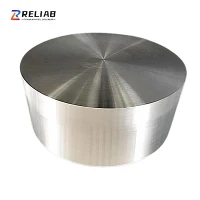
TI6AL4V titanium round bar, known for its high strength, low density, and excellent corrosion resistance, is widely used in various industries such as aerospace, medical, and automotive. However, to maintain its performance and appearance, proper cleaning is essential. As a TI6AL4V Titanium Round Bar supplier, I'd like to share some effective cleaning methods with you.
Understanding the Importance of Cleaning TI6AL4V Titanium Round Bar
Before diving into the cleaning process, it's crucial to understand why cleaning is necessary. During the manufacturing, storage, and transportation of TI6AL4V titanium round bars, they can accumulate various contaminants such as dust, grease, oil, and metal shavings. These contaminants not only affect the bar's appearance but can also potentially compromise its performance. For example, grease and oil can prevent proper adhesion during subsequent processing steps like welding or coating. Dust and metal shavings can cause surface scratches, which may lead to corrosion over time. Therefore, regular cleaning helps to ensure the bar's quality and longevity.
Pre - cleaning Preparation
- Safety First: Always wear appropriate personal protective equipment (PPE), including gloves and safety glasses. Some cleaning agents can be harsh and may cause skin irritation or eye damage.
- Inspect the Bar: Before cleaning, carefully examine the TI6AL4V titanium round bar for any visible damage, such as cracks or deep scratches. If any damage is found, it's advisable to consult a professional to determine if the bar is still suitable for use.
- Gather Cleaning Supplies: Depending on the type of contaminants, you'll need different cleaning supplies. Common items include mild detergents, soft brushes, clean rags, and appropriate solvents.
Cleaning Methods
Mild Contamination
If the TI6AL4V titanium round bar has only mild contamination, such as dust or light grease, a simple cleaning with mild detergent and water can be effective.
- Prepare the Cleaning Solution: Mix a small amount of mild detergent in warm water. The detergent should be non - abrasive and free of harsh chemicals that could react with the titanium.
- Clean the Bar: Dip a soft brush or a clean rag into the cleaning solution and gently scrub the surface of the bar. Make sure to cover the entire surface, paying special attention to areas with visible contaminants.
- Rinse Thoroughly: After scrubbing, rinse the bar with clean water to remove any remaining detergent. Use a hose or a container of clean water for this step.
- Dry the Bar: Use a clean, dry rag to wipe the bar dry. Make sure there is no standing water on the surface, as this can lead to water spots or corrosion.
Heavy Contamination
For more stubborn contaminants, such as heavy oil or stubborn grease, a solvent - based cleaner may be required.


- Select the Appropriate Solvent: Choose a solvent that is compatible with titanium. Acetone or isopropyl alcohol are commonly used solvents for cleaning titanium. However, always test the solvent on a small, inconspicuous area of the bar first to ensure it doesn't cause any damage.
- Apply the Solvent: Soak a clean rag in the solvent and gently rub the contaminated areas. Avoid using excessive force, as this can scratch the surface of the bar.
- Repeat if Necessary: If the contamination is particularly heavy, you may need to repeat the process several times until the contaminants are completely removed.
- Rinse and Dry: After using the solvent, rinse the bar with clean water to remove any remaining solvent. Then, dry the bar thoroughly with a clean rag.
Special Cases: Oxidation and Discoloration
Over time, TI6AL4V titanium round bars may develop oxidation or discoloration. To address this issue:
- Use a Titanium - Specific Cleaner: There are commercial cleaners available specifically designed for cleaning and restoring the appearance of titanium. Follow the manufacturer's instructions carefully when using these cleaners.
- Mechanical Polishing: For more severe cases of oxidation or discoloration, mechanical polishing may be necessary. This involves using a polishing compound and a polishing wheel to restore the bar's shine. However, this method should be used with caution, as improper polishing can damage the surface of the bar.
Post - cleaning Maintenance
- Storage: After cleaning, store the TI6AL4V titanium round bar in a clean, dry environment. Avoid storing it in areas with high humidity or where it can come into contact with corrosive substances.
- Regular Inspection: Periodically inspect the bar for any signs of new contamination or damage. Early detection can help prevent more serious problems in the future.
Applications of Cleaned TI6AL4V Titanium Round Bar
Cleaned TI6AL4V titanium round bars can be used in a wide range of applications. In the aerospace industry, they are used for components such as landing gear, engine parts, and structural elements. The Titanium AMS 6242 Bar for Aerospace is a prime example of how titanium bars are utilized in this high - performance field. In the medical industry, these bars are used for surgical implants due to their biocompatibility. And in the automotive industry, they are used for high - performance parts such as connecting rods and suspension components.
Conclusion
Proper cleaning of TI6AL4V titanium round bars is essential for maintaining their performance and appearance. By following the methods outlined above, you can ensure that your titanium bars remain in optimal condition. As a TI6AL4V Titanium Round Bar supplier, we are committed to providing high - quality products and sharing our expertise with our customers. If you are interested in purchasing TI6AL4V Titanium Round Bar or Titanium Timascus Bar, please feel free to contact us for more information and to discuss your specific requirements. We look forward to serving you and meeting your titanium bar needs.
References
- "Titanium: A Technical Guide" by John C. Williams
- "Materials Science and Engineering: An Introduction" by William D. Callister Jr. and David G. Rethwisch