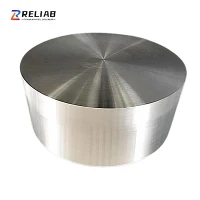
Testing the tensile strength of titanium forgings is a crucial process for ensuring the quality and performance of these products. As a titanium forgings supplier, I understand the significance of accurate testing to meet the diverse needs of our customers. In this blog, I will share a comprehensive guide on how to test the tensile strength of titanium forgings, highlighting the importance of this process and the methods involved.
Understanding the Importance of Tensile Strength Testing
Tensile strength is a fundamental mechanical property that measures the maximum stress a material can withstand while being pulled or stretched before breaking. For titanium forgings, which are widely used in various industries such as aerospace, automotive, and medical, ensuring high tensile strength is essential for their reliability and safety.
In aerospace applications, for example, titanium forgings are used in critical components such as engine parts and structural elements. These components need to withstand high stresses and extreme conditions, making accurate tensile strength testing a non - negotiable requirement. Similarly, in the medical field, titanium implants must have sufficient tensile strength to support the body's functions and ensure long - term durability.
Preparing for Tensile Strength Testing
Before conducting the tensile strength test, several preparatory steps are necessary.
Sample Selection
The first step is to select representative samples from the titanium forgings. The samples should be taken from different parts of the forging to ensure that the test results accurately reflect the overall quality of the product. It is important to follow relevant standards and guidelines for sample size and shape. For instance, ASTM standards provide detailed specifications for sample dimensions and preparation.
Sample Preparation
Once the samples are selected, they need to be prepared for testing. This involves machining the samples to the required dimensions and surface finish. The samples should be free from any defects, such as cracks or surface irregularities, which could affect the test results. The ends of the samples are usually prepared to fit the grips of the testing machine properly.
Tensile Testing Equipment
To perform the tensile strength test, specialized equipment is required. The most common piece of equipment is a universal testing machine. This machine consists of a frame, a load cell, and a set of grips. The load cell measures the force applied to the sample, while the grips hold the sample securely during the test.
The testing machine should be calibrated regularly to ensure accurate measurements. Calibration involves comparing the machine's readings with a known standard. This helps to eliminate any errors and ensures that the test results are reliable.
Conducting the Tensile Strength Test
The actual tensile strength test involves the following steps:
Mounting the Sample
The prepared sample is mounted in the grips of the testing machine. The grips should be tightened securely to prevent the sample from slipping during the test. Care should be taken to align the sample properly to ensure that the force is applied axially.
Applying the Load
Once the sample is mounted, the testing machine starts applying a gradually increasing load to the sample. The load is applied at a constant rate, as specified by the relevant standards. The rate of loading is important because it can affect the test results. A too - fast loading rate may lead to inaccurate results, while a too - slow rate may cause the test to take an unreasonably long time.
Recording the Data
As the load is applied, the testing machine records the force and the corresponding elongation of the sample. This data is used to create a stress - strain curve, which shows the relationship between the stress (force per unit area) and the strain (deformation) of the sample. The curve provides valuable information about the material's behavior under tension, including its elastic modulus, yield strength, and ultimate tensile strength.
Determining the Tensile Strength
The ultimate tensile strength is the maximum stress that the sample can withstand before breaking. It is calculated by dividing the maximum force applied to the sample by its original cross - sectional area. The yield strength, on the other hand, is the stress at which the material begins to deform plastically. This can be determined from the stress - strain curve using various methods, such as the offset method.
Interpreting the Test Results
Once the test is completed, the results need to be interpreted. The tensile strength values obtained from the test are compared with the specified requirements for the titanium forgings. If the test results meet or exceed the requirements, the forgings are considered to be of acceptable quality. However, if the results are below the requirements, further investigation is needed to determine the cause of the low strength.
Possible causes of low tensile strength include improper forging processes, impurities in the titanium material, or incorrect heat treatment. In such cases, corrective actions need to be taken, such as adjusting the forging parameters or improving the material quality.
Our Titanium Forging Products
As a titanium forgings supplier, we offer a wide range of high - quality products, including Grade 9 Titanium Forged Billets. These billets are known for their excellent mechanical properties and are suitable for various applications. We also provide High Purity Titanium Sputtering Targets and High Performance Titanium Target For PVD, which are used in advanced coating processes.
Conclusion
Testing the tensile strength of titanium forgings is a critical process that ensures the quality and performance of these products. By following the proper testing procedures and interpreting the results accurately, we can provide our customers with reliable and high - quality titanium forgings. If you are interested in purchasing our titanium forging products or have any questions about the tensile strength testing process, please feel free to contact us for further discussion and procurement negotiations.


References
- ASTM International. (2023). ASTM standards for metal testing.
- Callister, W. D., & Rethwisch, D. G. (2018). Materials Science and Engineering: An Introduction. Wiley.