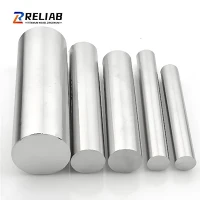
CP2 titanium plate, conforming to ASTM B265 standards, is widely used in various industries due to its excellent corrosion resistance, good weldability, and high strength-to-weight ratio. As a reliable supplier of CP2 Titanium Plate ASTM B265, I'm often asked about the best practices for cutting this material. In this blog post, I'll share some professional insights on how to cut CP2 titanium plate effectively and safely.
Understanding CP2 Titanium Plate
Before delving into the cutting process, it's essential to understand the characteristics of CP2 titanium plate. CP2 titanium, also known as commercially pure titanium Grade 2, contains a low amount of interstitial impurities, which gives it superior corrosion resistance, especially in marine and chemical environments. It has a density of approximately 4.51 g/cm³, significantly lighter than steel, and a melting point of around 1668°C. Its mechanical properties make it suitable for applications in aerospace, medical, and chemical processing industries.
Selecting the Right Cutting Method
There are several methods available for cutting CP2 titanium plate, each with its own advantages and limitations. The choice of cutting method depends on factors such as the thickness of the plate, the required cut quality, and the available equipment.
1. Plasma Cutting
Plasma cutting is a popular method for cutting CP2 titanium plate, especially for thicker materials. It uses a high-velocity jet of ionized gas to melt and blow away the metal, creating a clean cut. Plasma cutting is relatively fast and can handle plates up to several inches thick. However, it may produce a rough cut surface and heat-affected zone (HAZ), which can affect the mechanical properties of the material. To minimize the HAZ, it's important to use the correct plasma cutting parameters, such as the cutting speed, amperage, and gas flow rate.


2. Waterjet Cutting
Waterjet cutting is a precise and versatile method for cutting CP2 titanium plate. It uses a high-pressure stream of water mixed with abrasive particles to cut through the material. Waterjet cutting produces a smooth cut surface with minimal HAZ, making it suitable for applications that require high precision and fine finishes. It can cut through titanium plates of various thicknesses, from thin sheets to thick blocks. However, waterjet cutting is relatively slow compared to plasma cutting and may require more expensive equipment.
3. Laser Cutting
Laser cutting is another efficient method for cutting CP2 titanium plate. It uses a high-powered laser beam to melt and vaporize the metal, creating a narrow and precise cut. Laser cutting is fast, accurate, and can produce high-quality cuts with minimal HAZ. It is suitable for cutting thin to medium-thickness titanium plates and is often used in industries that require intricate cuts and high precision, such as aerospace and electronics. However, laser cutting equipment is expensive, and the process requires careful control to prevent oxidation and thermal damage to the material.
Preparing the Material and Equipment
Before starting the cutting process, it's important to prepare the CP2 titanium plate and the cutting equipment properly. Here are some steps to follow:
1. Material Preparation
- Clean the surface of the titanium plate to remove any dirt, grease, or oxide layers. This can be done using a mild detergent and a non-metallic brush.
- Mark the cutting line on the plate using a permanent marker or a scribe. Make sure the marking is clear and accurate.
- Secure the plate firmly on the cutting table to prevent movement during the cutting process.
2. Equipment Preparation
- Check the cutting equipment to ensure it is in good working condition. This includes checking the power supply, gas connections, and cutting consumables.
- Adjust the cutting parameters according to the thickness of the plate and the cutting method. This may include setting the cutting speed, amperage, gas flow rate, or laser power.
- Install the appropriate cutting tool or nozzle for the selected cutting method. Make sure the tool is sharp and properly aligned.
Cutting Process
Once the material and equipment are prepared, you can start the cutting process. Here are some general tips to follow for each cutting method:
1. Plasma Cutting
- Start the plasma cutting machine and let it warm up for a few minutes.
- Position the cutting torch at the starting point of the cutting line, making sure it is perpendicular to the plate surface.
- Initiate the plasma arc and slowly move the torch along the cutting line at a constant speed.
- Use a steady hand and maintain a consistent distance between the torch and the plate to ensure a smooth cut.
- After completing the cut, turn off the plasma cutting machine and allow it to cool down.
2. Waterjet Cutting
- Load the cutting program into the waterjet cutting machine and set the cutting parameters.
- Position the titanium plate on the cutting table and align it with the cutting program.
- Start the waterjet pump and allow it to reach the desired pressure.
- Initiate the cutting process and monitor the cutting operation to ensure everything is running smoothly.
- After the cut is complete, turn off the waterjet pump and carefully remove the cut piece from the table.
3. Laser Cutting
- Load the cutting design into the laser cutting machine and adjust the laser parameters.
- Position the titanium plate on the cutting table and secure it in place.
- Start the laser cutting machine and initiate the cutting process.
- Monitor the laser beam and the cutting operation to ensure the cut is being made accurately.
- After the cut is finished, turn off the laser cutting machine and let it cool down.
Post-Cutting Treatment
After cutting the CP2 titanium plate, it's important to perform some post-cutting treatments to improve the surface quality and prevent corrosion. Here are some common post-cutting treatments:
1. Deburring
Use a deburring tool or sandpaper to remove any burrs or sharp edges from the cut surface. This will improve the safety and appearance of the cut piece.
2. Cleaning
Clean the cut piece with a mild detergent and water to remove any cutting residues or contaminants. Rinse it thoroughly and dry it with a clean cloth.
3. Passivation
Passivation is a chemical treatment that removes iron and other impurities from the surface of the titanium plate, creating a protective oxide layer. This helps to improve the corrosion resistance of the material. You can use a passivation solution specifically designed for titanium to perform this treatment.
Conclusion
Cutting CP2 titanium plate ASTM B265 requires careful planning, the right equipment, and proper techniques. By selecting the appropriate cutting method, preparing the material and equipment correctly, and following the recommended cutting process and post-cutting treatments, you can achieve high-quality cuts and ensure the performance and durability of the cut pieces.
If you're interested in purchasing Grade 3 Pure Titanium Plate or need more information about our CP2 titanium plate products, feel free to reach out to us. Our team of experts is always ready to assist you with your procurement needs.
For those involved in lab scientific research, we also offer 1mm Titanium Piece For Lab Scientific Research. And if you're considering titanium cutting boards, check out our Titanium Cutting Boards Review to make an informed decision.
Don't hesitate to contact us to discuss your specific requirements and start a fruitful procurement negotiation.
References
- ASTM B265 Standard Specification for Titanium and Titanium Alloy Strip, Sheet, and Plate
- ASM Handbook Volume 6: Welding, Brazing, and Soldering
- Machinery's Handbook, 31st Edition