

Grade 3 pure titanium plate is a highly sought - after material in various industries due to its excellent properties such as high strength - to - weight ratio, corrosion resistance, and biocompatibility. However, one of the challenges that users and suppliers often face is the oxidation of these plates. Oxidation can not only affect the appearance of the titanium plate but also potentially degrade its performance over time. As a supplier of Grade 3 pure titanium plates, I am well - aware of these issues and have gathered comprehensive knowledge on how to prevent the oxidation of these plates.
Understanding the Oxidation Process of Grade 3 Pure Titanium Plate
Before delving into prevention methods, it is essential to understand how oxidation occurs in Grade 3 pure titanium plates. Titanium is a reactive metal, and when exposed to oxygen in the air, it forms a thin oxide layer on its surface. This initial oxide layer is actually beneficial as it provides a certain degree of protection against further corrosion. However, under certain conditions such as high temperatures, high humidity, or the presence of certain chemicals, the oxidation process can accelerate, leading to a thicker and less - protective oxide layer.
Storage Conditions
One of the most fundamental ways to prevent oxidation is to control the storage conditions of Grade 3 pure titanium plates.

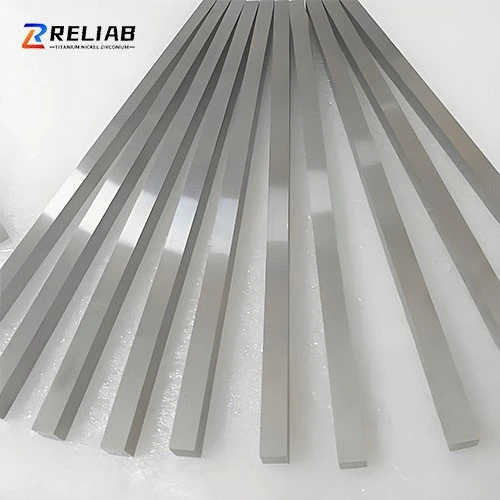
- Temperature and Humidity: Titanium plates should be stored in a dry environment with a relatively stable temperature. High humidity can promote the oxidation process, so it is recommended to keep the relative humidity below 60%. A temperature range between 20 - 25°C is ideal. Warehouses should be equipped with dehumidifiers and temperature - control systems to maintain these conditions.
- Isolation from Contaminants: The plates should be stored away from chemicals, especially those that are acidic or alkaline. These substances can react with the titanium surface and accelerate oxidation. Additionally, they should be protected from dust and other particulate matter, which can also cause surface damage and promote oxidation.
Surface Treatment
Surface treatment is an effective way to enhance the oxidation resistance of Grade 3 pure titanium plates.
- Passivation: Passivation is a process that involves treating the titanium surface with a chemical solution to remove impurities and promote the formation of a more stable and protective oxide layer. A common passivation solution is a mixture of nitric acid and hydrofluoric acid. This process can significantly improve the oxidation resistance of the plate. However, it should be carried out carefully as improper passivation can also damage the surface.
- Coating: Applying a protective coating on the titanium plate is another option. There are various types of coatings available, such as organic coatings and ceramic coatings. Organic coatings can provide a physical barrier against oxygen and moisture, while ceramic coatings can offer high - temperature resistance and excellent chemical stability. For example, some ceramic coatings can withstand temperatures up to 1000°C, which is very useful in high - temperature applications.
Handling and Transportation
Proper handling and transportation are also crucial to prevent oxidation.
- Avoiding Scratches: Scratches on the titanium plate surface can expose the underlying metal to oxygen, accelerating the oxidation process. During handling, it is important to use soft - edged tools and protective gloves to avoid scratching the surface. When stacking the plates, separators such as plastic sheets can be used to prevent direct contact and scratching.
- Proper Packaging: During transportation, the plates should be properly packaged to protect them from environmental factors. Vacuum packaging can be an effective way to isolate the plates from oxygen and moisture. If vacuum packaging is not possible, moisture - resistant packaging materials can be used, along with desiccants to absorb any moisture inside the package.
Maintenance and Inspection
Regular maintenance and inspection can help detect and prevent oxidation at an early stage.
- Cleaning: Regular cleaning of the titanium plates can remove any dirt, dust, or contaminants that may promote oxidation. A mild detergent and a soft cloth can be used for cleaning. After cleaning, the plates should be dried thoroughly to prevent moisture from remaining on the surface.
- Inspection: Periodic inspection of the plates can help identify any signs of oxidation. If oxidation is detected, appropriate measures such as re - passivation or coating can be taken.
Related Products
As a supplier, we also offer a range of related products. For those interested in different titanium products, we recommend checking out our Titanium Alloy Narrow Strip, which has unique properties and applications. Our Titanium Cutting Boards Review provides valuable insights into the use of titanium in kitchenware. And for those in need of high - strength titanium plates, our Hot Rolled Grade 5 Titanium Alloy Plates are an excellent choice.
Conclusion
Preventing the oxidation of Grade 3 pure titanium plates requires a comprehensive approach that includes proper storage, surface treatment, handling, and maintenance. By implementing these measures, we can ensure that the titanium plates maintain their excellent properties and appearance over a long period. If you are interested in purchasing Grade 3 pure titanium plates or have any questions about oxidation prevention, please feel free to contact us for further discussion and procurement negotiation.
References
- "Titanium: A Technical Guide" by John R. Davis.
- "Corrosion and Protection of Titanium" by G. E. Totten and D. M. Howell.


