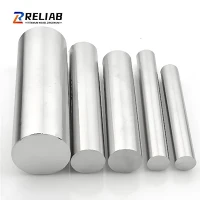
Hey there! I'm a supplier of titanium plates, and today I wanna chat about the grades of titanium plates. Titanium is an amazing metal, known for its high strength, low density, and excellent corrosion resistance. These properties make titanium plates super useful in a whole bunch of industries, from aerospace to medical, and even in our kitchens.
Understanding Titanium Grades
Titanium comes in different grades, each with its own unique set of properties and applications. The grades are mainly determined by the purity of the titanium and the types and amounts of alloying elements added to it.
Commercially Pure Titanium (CP Titanium)
Let's start with commercially pure titanium. There are four grades in this category: Grade 1, Grade 2, Grade 3, and Grade 4. These grades are distinguished by their increasing levels of oxygen, which in turn affects their strength.
- Grade 1: This is the softest and most ductile of the commercially pure titanium grades. It has the highest formability and excellent corrosion resistance, especially in marine and chemical environments. Grade 1 titanium plates are often used in applications where formability is crucial, like in the manufacturing of heat exchangers, chemical processing equipment, and architectural components.
- Grade 2: It's the most commonly used grade of commercially pure titanium. It offers a good balance between formability, strength, and corrosion resistance. Grade 2 titanium plates are widely used in a variety of industries, including aerospace, automotive, and food processing. For example, they can be found in aircraft skin, automotive exhaust systems, and Best Titanium Cutting Boards.
- Grade 3: With a higher strength than Grade 1 and Grade 2, Grade 3 titanium is still quite ductile and corrosion-resistant. It's often used in applications where a bit more strength is required, such as in some medical devices and high - pressure chemical processing equipment.
- Grade 4: This is the strongest of the commercially pure titanium grades. It has the highest oxygen content among the CP titanium grades, which gives it increased strength but slightly reduced formability. Grade 4 titanium plates are used in applications where high strength and corrosion resistance are needed, like in military hardware and some heavy - duty industrial equipment.
Titanium Alloys
Apart from commercially pure titanium, there are also titanium alloys. These alloys are created by adding other elements to titanium to enhance specific properties.
- Grade 5 (Ti - 6Al - 4V): This is the most widely used titanium alloy. It contains 6% aluminum and 4% vanadium. Grade 5 titanium has high strength, good corrosion resistance, and excellent weldability. It's used in a wide range of applications, including aerospace components (such as aircraft frames and engine parts), medical implants (like hip and knee replacements), and sports equipment (such as golf clubs and bicycle frames).
- Grade 9 (Ti - 3Al - 2.5V): This alloy contains 3% aluminum and 2.5% vanadium. It has a good combination of strength, ductility, and corrosion resistance. Grade 9 titanium plates are often used in aerospace tubing, bicycle frames, and some marine applications.
- Grade 23 (Ti - 6Al - 4V ELI): Similar to Grade 5, but with extra - low interstitial (ELI) levels of oxygen, nitrogen, and carbon. This makes it more biocompatible, which is why it's commonly used in dental and medical applications, such as Dental Medical Titanium Alloy Plates.
Applications Based on Grades
The choice of titanium plate grade depends on the specific application requirements.


Aerospace Industry
In the aerospace industry, weight is a critical factor. Titanium plates are used because of their high strength - to - weight ratio. Grade 5 titanium is the go - to choice for most aerospace components. Its high strength allows it to withstand the extreme forces experienced during flight, while its low density helps to reduce the overall weight of the aircraft. For example, in the wings and fuselage of modern airplanes, Grade 5 titanium plates are used to ensure structural integrity without adding excessive weight.
Medical Industry
In the medical field, biocompatibility is essential. Commercially pure titanium grades like Grade 2 and Grade 4, as well as alloy grades like Grade 23, are commonly used. These grades are non - toxic and do not cause adverse reactions in the human body. Dental Medical Titanium Alloy Plates made from these grades are used in dental implants, bone plates, and other medical devices.
Laboratory and Scientific Research
For laboratory and scientific research, high - quality and precise titanium plates are needed. 1mm Titanium Piece For Lab Scientific Research can be made from different grades depending on the specific experiment. Commercially pure grades are often used when the focus is on corrosion resistance and purity, while alloy grades may be used for their specific mechanical properties.
Why Choose Our Titanium Plates
As a titanium plate supplier, we offer a wide range of grades to meet different customer needs. Our titanium plates are sourced from high - quality manufacturers and undergo strict quality control processes. We ensure that each plate meets the relevant industry standards and specifications.
Whether you need a large quantity of Grade 2 titanium plates for your food processing plant or a small batch of Grade 23 titanium plates for a medical research project, we've got you covered. Our team of experts can also provide technical support and advice to help you choose the right grade of titanium plate for your application.
Let's Connect
If you're in the market for titanium plates, I'd love to hear from you. Whether you have questions about the grades, need a quote, or want to discuss a specific project, don't hesitate to reach out. We're here to make the procurement process as smooth and hassle - free as possible. Let's work together to find the perfect titanium plates for your needs.
References
- "Titanium: A Technical Guide" by John R. Grobstein
- "Materials Science and Engineering: An Introduction" by William D. Callister Jr. and David G. Rethwisch