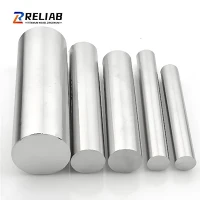
As a titanium supplier, I've witnessed firsthand the growing demand for titanium materials across various industries. Titanium is renowned for its exceptional properties, such as high strength-to-weight ratio, corrosion resistance, and biocompatibility. However, not all titanium materials are created equal. There are specific standards that govern the quality, composition, and performance of titanium products. In this blog post, I'll delve into the standards for titanium materials, shedding light on what makes them reliable and suitable for different applications.
Chemical Composition Standards
The chemical composition of titanium materials is a critical factor that determines their properties and performance. Different grades of titanium have varying amounts of alloying elements, which are added to enhance specific characteristics. For example, titanium alloyed with aluminum and vanadium (Ti-6Al-4V) is one of the most widely used titanium alloys due to its excellent strength and corrosion resistance.
The American Society for Testing and Materials (ASTM) has established a comprehensive set of standards for titanium materials, known as the ASTM B265 series. These standards specify the chemical composition requirements for different grades of titanium and titanium alloys. For instance, ASTM B265 Grade 2 titanium is unalloyed and contains a minimum of 99% titanium, with small amounts of iron, oxygen, carbon, nitrogen, and hydrogen. On the other hand, ASTM B265 Grade 5 (Ti-6Al-4V) has a more complex composition, with 6% aluminum and 4% vanadium as the main alloying elements.
In addition to ASTM standards, other international organizations such as the International Organization for Standardization (ISO) and the Japanese Industrial Standards (JIS) also have their own sets of standards for titanium materials. These standards ensure that titanium products meet the required chemical composition specifications, providing consistency and quality across different manufacturers and regions.
Mechanical Property Standards
Mechanical properties are another crucial aspect of titanium materials. They determine how the material will perform under different loading conditions, such as tension, compression, and fatigue. The mechanical properties of titanium materials are influenced by factors such as chemical composition, processing methods, and heat treatment.


ASTM standards also define the mechanical property requirements for titanium materials. For example, ASTM B265 specifies the minimum yield strength, ultimate tensile strength, and elongation for different grades of titanium and titanium alloys. These values are determined through standardized testing methods, such as tensile testing, which involves applying a gradually increasing load to a test specimen until it breaks.
In addition to tensile properties, other mechanical properties such as hardness, impact resistance, and fatigue strength are also important for certain applications. For example, titanium materials used in aerospace applications need to have high fatigue strength to withstand the repeated loading and unloading cycles experienced during flight.
Manufacturing and Processing Standards
The manufacturing and processing of titanium materials also play a significant role in ensuring their quality and performance. Titanium is a difficult material to work with due to its high reactivity and low thermal conductivity. Therefore, specific manufacturing and processing techniques are required to produce high-quality titanium products.
ASTM standards provide guidelines for the manufacturing and processing of titanium materials. These standards cover aspects such as melting, casting, forging, rolling, and machining. For example, ASTM B348 specifies the requirements for titanium and titanium alloy bars, billets, and forgings, including the manufacturing methods, heat treatment, and inspection procedures.
In addition to ASTM standards, other industry-specific standards and specifications may also apply to the manufacturing and processing of titanium materials. For example, the aerospace industry has its own set of standards for titanium components used in aircraft engines and airframes. These standards ensure that the components meet the strict quality and performance requirements of the aerospace industry.
Quality Control and Certification
Quality control is an essential part of the titanium material manufacturing process. It ensures that the products meet the required standards and specifications. Titanium suppliers typically implement a comprehensive quality control system that includes raw material inspection, in-process inspection, and final product inspection.
Raw material inspection involves verifying the chemical composition and mechanical properties of the incoming titanium materials. This is usually done through laboratory testing, such as chemical analysis and mechanical testing. In-process inspection is carried out during the manufacturing and processing stages to ensure that the products are being produced according to the specified standards. Final product inspection is the last step before the products are shipped to the customers. It involves a thorough inspection of the finished products to ensure that they meet the required quality and performance requirements.
Certification is another important aspect of quality control. Titanium suppliers may obtain certifications from independent third-party organizations, such as the International Organization for Standardization (ISO) and the American Society for Quality (ASQ). These certifications provide assurance to the customers that the supplier's quality control system meets the international standards.
Applications of Titanium Materials
Titanium materials are used in a wide range of applications due to their excellent properties. Some of the common applications of titanium materials include:
- Aerospace Industry: Titanium is widely used in the aerospace industry due to its high strength-to-weight ratio, corrosion resistance, and fatigue strength. It is used in aircraft engines, airframes, and other critical components.
- Medical Industry: Titanium is biocompatible, which means it is not rejected by the human body. Therefore, it is used in medical implants, such as hip and knee replacements, dental implants, and spinal fusion devices.
- Chemical Industry: Titanium is highly resistant to corrosion, making it suitable for use in chemical processing equipment, such as reactors, heat exchangers, and pipes.
- Marine Industry: Titanium is resistant to seawater corrosion, making it ideal for use in marine applications, such as ship hulls, propellers, and offshore oil and gas platforms.
- Sports Equipment: Titanium is used in sports equipment, such as golf clubs, tennis rackets, and bicycle frames, due to its high strength-to-weight ratio and durability.
Conclusion
In conclusion, the standards for titanium materials are essential for ensuring their quality, performance, and reliability. These standards cover aspects such as chemical composition, mechanical properties, manufacturing and processing, and quality control. By adhering to these standards, titanium suppliers can produce high-quality titanium products that meet the diverse needs of different industries.
If you're in the market for titanium materials, it's important to choose a reliable supplier who can provide products that meet the required standards. At our company, we are committed to providing high-quality titanium materials that are manufactured and tested to the highest standards. We offer a wide range of titanium products, including Titanium Alloy Bolts Hexagon Head DIN933, bars, sheets, plates, and tubes.
If you have any questions or would like to discuss your titanium material requirements, please don't hesitate to contact us. We look forward to working with you and providing you with the best titanium solutions for your applications.
References
- American Society for Testing and Materials (ASTM). ASTM B265 - Standard Specification for Titanium and Titanium Alloy Strip, Sheet, and Plate.
- International Organization for Standardization (ISO). ISO 5832 - Implants for surgery - Metallic materials - Part 3: Titanium and titanium alloys.
- Japanese Industrial Standards (JIS). JIS H4600 - Titanium and titanium alloy sheets and plates.