

As a supplier of Ti - 3Al - 2.5V Alloy Rod and Bar, I often encounter inquiries about the electrical conductivity of this material. Understanding the electrical conductivity of Ti - 3Al - 2.5V alloy is crucial for a wide range of applications, from aerospace to medical devices. In this blog post, I will delve into the concept of electrical conductivity, explore the factors that influence the electrical conductivity of Ti - 3Al - 2.5V alloy, and provide insights into its practical implications.
Understanding Electrical Conductivity
Electrical conductivity is a measure of a material's ability to conduct an electric current. It is the reciprocal of electrical resistivity and is typically denoted by the Greek letter sigma (σ). The SI unit for electrical conductivity is siemens per meter (S/m). Materials with high electrical conductivity, such as copper and silver, allow electric charges to move freely through them, while materials with low electrical conductivity, like rubber and glass, impede the flow of electric current.
The electrical conductivity of a material is determined by several factors, including the number of free electrons available for conduction, the mobility of these electrons, and the temperature of the material. In metals, the outermost electrons of the atoms are loosely bound and can move freely throughout the material, forming a "sea" of electrons. These free electrons are responsible for the high electrical conductivity of metals.
Electrical Conductivity of Ti - 3Al - 2.5V Alloy
Ti - 3Al - 2.5V alloy is a titanium alloy that contains 3% aluminum and 2.5% vanadium by weight. This alloy is known for its excellent combination of strength, ductility, and corrosion resistance, making it suitable for a variety of applications, including aircraft hydraulic systems, tubing, and fasteners.
The electrical conductivity of Ti - 3Al - 2.5V alloy is relatively low compared to pure metals such as copper and aluminum. Titanium alloys, in general, have lower electrical conductivity due to their crystal structure and the presence of alloying elements. The addition of aluminum and vanadium to titanium further reduces the electrical conductivity of the alloy by scattering the free electrons and impeding their movement.
The exact electrical conductivity of Ti - 3Al - 2.5V alloy can vary depending on several factors, including the composition of the alloy, the processing conditions, and the temperature. However, typical values for the electrical conductivity of Ti - 3Al - 2.5V alloy range from approximately 2.5 to 4.5 MS/m (mega - siemens per meter) at room temperature. This is significantly lower than the electrical conductivity of copper, which is around 58 MS/m, but higher than the electrical conductivity of some other titanium alloys.
Factors Affecting the Electrical Conductivity of Ti - 3Al - 2.5V Alloy
Alloy Composition
The composition of the Ti - 3Al - 2.5V alloy plays a significant role in determining its electrical conductivity. As mentioned earlier, the addition of aluminum and vanadium to titanium reduces the electrical conductivity of the alloy. The presence of other impurities or alloying elements can also affect the electrical conductivity. For example, the addition of small amounts of iron or oxygen can further decrease the electrical conductivity of the alloy.
Processing Conditions
The processing conditions used to manufacture the Ti - 3Al - 2.5V alloy rod and bar can also influence its electrical conductivity. Processes such as hot rolling, cold rolling, and heat treatment can alter the microstructure of the alloy, which in turn affects the mobility of the free electrons. For example, cold working can increase the dislocation density in the alloy, which can scatter the free electrons and reduce the electrical conductivity. On the other hand, heat treatment can relieve the internal stresses and improve the electrical conductivity.
Temperature
The electrical conductivity of Ti - 3Al - 2.5V alloy is also temperature - dependent. Like most metals, the electrical conductivity of Ti - 3Al - 2.5V alloy decreases with increasing temperature. This is because as the temperature increases, the atoms in the material vibrate more vigorously, which scatters the free electrons and reduces their mobility. The relationship between electrical conductivity and temperature can be described by the following equation:
σ(T) = σ₀[1 + α(T - T₀)]
where σ(T) is the electrical conductivity at temperature T, σ₀ is the electrical conductivity at a reference temperature T₀, and α is the temperature coefficient of electrical conductivity.
Practical Implications of the Electrical Conductivity of Ti - 3Al - 2.5V Alloy
The relatively low electrical conductivity of Ti - 3Al - 2.5V alloy has both advantages and disadvantages in different applications.
Disadvantages
In applications where high electrical conductivity is required, such as electrical wiring and electrical contacts, the low electrical conductivity of Ti - 3Al - 2.5V alloy can be a limitation. The high electrical resistance of the alloy can result in significant power losses when an electric current is passed through it, leading to increased energy consumption and heat generation.
Advantages
On the other hand, the low electrical conductivity of Ti - 3Al - 2.5V alloy can be advantageous in applications where electrical insulation or electromagnetic shielding is required. For example, in aircraft applications, the low electrical conductivity of the alloy can help reduce the risk of electrical interference and lightning strikes. Additionally, the low electrical conductivity of the alloy can be beneficial in applications where corrosion resistance is important, as it reduces the likelihood of galvanic corrosion when the alloy is in contact with other metals.
Comparison with Other Titanium Alloys and Materials
When comparing the electrical conductivity of Ti - 3Al - 2.5V alloy with other titanium alloys and materials, it is important to consider the specific requirements of the application.
Comparison with Other Titanium Alloys
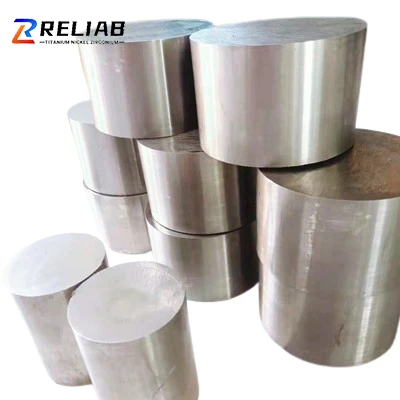
Compared to other titanium alloys, the electrical conductivity of Ti - 3Al - 2.5V alloy is similar to that of many other commercial titanium alloys. For example, the electrical conductivity of Ti - 6242 Titanium Bars is also relatively low due to the presence of alloying elements. However, the exact electrical conductivity can vary depending on the specific composition and processing conditions of the alloy.

Comparison with Other Materials
When compared to non - titanium materials, the electrical conductivity of Ti - 3Al - 2.5V alloy is much lower than that of pure metals such as copper and aluminum. However, it is higher than the electrical conductivity of some non - metallic materials, such as ceramics and polymers. For example, Grade 23 Medical Titanium Bars and Mokuti Titanium Rod also have relatively low electrical conductivity compared to pure metals but are suitable for applications where other properties, such as biocompatibility and corrosion resistance, are more important.
Conclusion
In conclusion, the electrical conductivity of Ti - 3Al - 2.5V alloy is relatively low compared to pure metals due to its crystal structure and the presence of alloying elements. The exact electrical conductivity can vary depending on the composition of the alloy, the processing conditions, and the temperature. While the low electrical conductivity of Ti - 3Al - 2.5V alloy can be a limitation in applications where high electrical conductivity is required, it can also be advantageous in applications where electrical insulation or electromagnetic shielding is needed.
As a supplier of Ti - 3Al - 2.5V Alloy Rod and Bar, I understand the importance of providing high - quality products that meet the specific requirements of our customers. If you have any questions about the electrical conductivity of Ti - 3Al - 2.5V alloy or are interested in purchasing our products, please feel free to contact us for more information and to discuss your procurement needs.
References
- ASM Handbook, Volume 2: Properties and Selection: Nonferrous Alloys and Special - Purpose Materials, ASM International.
- Titanium: A Technical Guide, Second Edition, by Don Eylon, Ronald Boyer, and William F. Walker, ASM International.
- "Electrical Conductivity of Metals and Alloys" by David A. Young, CRC Handbook of Chemistry and Physics, 97th Edition.


