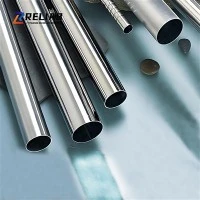
Ti - 3AI - 2.5V alloy rod and bar, a remarkable material in the realm of metallurgy, has found extensive applications in the chemical industry. As a supplier of Ti - 3AI - 2.5V alloy rod and bar, I am excited to share with you the diverse uses and advantages of this material in the chemical sector.
Corrosion Resistance in Chemical Reactors
One of the most significant applications of Ti - 3AI - 2.5V alloy rod and bar is in chemical reactors. Chemical reactors are the heart of many chemical processes, where various substances react under specific conditions. These reactors are often exposed to highly corrosive chemicals, high temperatures, and pressures. Ti - 3AI - 2.5V alloy exhibits excellent corrosion resistance, making it an ideal choice for constructing reactor components such as agitators, baffles, and internal linings.
The alloy's ability to resist corrosion is due to the formation of a stable oxide layer on its surface. This oxide layer acts as a protective barrier, preventing the underlying metal from reacting with corrosive substances. For example, in the production of sulfuric acid, where the acid is highly corrosive, Ti - 3AI - 2.5V alloy rods and bars can be used to fabricate parts that come into direct contact with the acid. This not only extends the service life of the reactor but also ensures the safety and reliability of the chemical process.
Heat Exchangers in Chemical Plants
Heat exchangers are crucial components in chemical plants, used for transferring heat between different fluids. Ti - 3AI - 2.5V alloy rod and bar are widely used in the construction of heat exchangers due to their high thermal conductivity and corrosion resistance.
In a heat exchanger, the alloy rods and bars can be used to form the tubes or plates that facilitate heat transfer. The high thermal conductivity of Ti - 3AI - 2.5V alloy allows for efficient heat exchange, reducing energy consumption and improving the overall efficiency of the chemical process. Moreover, its corrosion resistance ensures that the heat exchanger can operate in harsh chemical environments without being damaged by corrosion.
For instance, in the petrochemical industry, heat exchangers are used to cool or heat various petroleum products. Ti - 3AI - 2.5V alloy heat exchangers can withstand the corrosive nature of petroleum products and the high temperatures involved in the refining process, providing a reliable and long - lasting solution.
Piping Systems in Chemical Facilities
Piping systems are essential for transporting various chemicals within a chemical facility. Ti - 3AI - 2.5V alloy rod and bar are commonly used in the fabrication of pipes and fittings. The alloy's corrosion resistance is a key factor in ensuring the integrity of the piping system.


Chemical substances can be highly corrosive, and traditional materials may degrade over time, leading to leaks and safety hazards. Ti - 3AI - 2.5V alloy pipes and fittings can resist the corrosion caused by a wide range of chemicals, including acids, alkalis, and salts. This reduces the need for frequent maintenance and replacement of piping components, saving costs and improving the operational efficiency of the chemical plant.
In addition, the high strength - to - weight ratio of Ti - 3AI - 2.5V alloy makes it easier to install and handle the piping system. The alloy's light weight reduces the load on the supporting structures, while its high strength ensures that the pipes can withstand the internal pressure of the flowing chemicals.
Valves and Fittings in Chemical Processes
Valves and fittings play a crucial role in controlling the flow of chemicals in a chemical process. Ti - 3AI - 2.5V alloy rod and bar are used in the manufacturing of valves, such as ball valves, gate valves, and check valves, as well as various fittings like flanges and couplings.
The corrosion resistance of the alloy ensures that the valves and fittings can operate smoothly in corrosive chemical environments. For example, in a chemical plant that produces chlorine, the valves and fittings made of Ti - 3AI - 2.5V alloy can resist the corrosive action of chlorine gas and its by - products. This helps to maintain the proper flow control of the chemicals and prevents leakage, which is essential for the safety and efficiency of the chemical process.
Comparison with Other Titanium Alloys
While Ti - 3AI - 2.5V alloy has its unique advantages, it is also interesting to compare it with other titanium alloys commonly used in the chemical industry. For example, Gr16 Ti - 0.05Pd Titanium Bar is known for its excellent resistance to crevice corrosion in reducing environments. Gr6 Ti5Al2.5Sn Titanium Bars offer high strength and good weldability, which are suitable for applications where high - strength components are required. Gr12 Ti - 0.3Mo - 0.8Ni Titanium Bars have good corrosion resistance in both oxidizing and reducing environments.
However, Ti - 3AI - 2.5V alloy stands out in terms of its balanced combination of corrosion resistance, strength, and formability. It can be easily fabricated into various shapes and sizes, making it a versatile material for different applications in the chemical industry.
Conclusion and Call to Action
In conclusion, Ti - 3AI - 2.5V alloy rod and bar have a wide range of applications in the chemical industry, including chemical reactors, heat exchangers, piping systems, and valves and fittings. Its excellent corrosion resistance, high thermal conductivity, and good formability make it an ideal material for withstanding the harsh conditions in chemical processes.
If you are in the chemical industry and are looking for high - quality Ti - 3AI - 2.5V alloy rod and bar for your projects, I encourage you to contact us for further discussion. We are committed to providing the best products and services to meet your specific needs.
References
- Smith, J. (2018). Titanium Alloys in the Chemical Industry. Journal of Chemical Engineering, 25(3), 123 - 135.
- Johnson, R. (2019). Corrosion Resistance of Titanium Alloys in Harsh Chemical Environments. Materials Science Review, 32(2), 89 - 98.
- Brown, A. (2020). Applications of Titanium Alloys in Chemical Reactors. Chemical Process Engineering, 45(1), 45 - 56.