

The minimum order quantity (MOQ) for ASTM B348 Titanium Round Bar is a crucial consideration for both suppliers and buyers in the metal industry. As a supplier of ASTM B348 Titanium Round Bars, I am often asked about this specific aspect. In this blog post, I will delve into the factors that influence the MOQ, the typical MOQ ranges in the market, and how it impacts both parties involved in the transaction.
Understanding ASTM B348 Titanium Round Bar
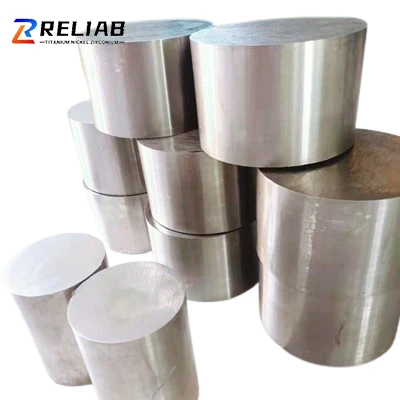
Before discussing the minimum order quantity, it's essential to understand what ASTM B348 Titanium Round Bar is. ASTM B348 is a standard specification for wrought titanium and titanium - alloy bars and billets. These round bars are widely used in various industries due to their excellent properties such as high strength - to - weight ratio, corrosion resistance, and biocompatibility. They find applications in aerospace, medical, chemical processing, and marine industries, among others.
Factors Influencing the Minimum Order Quantity
Production Costs
One of the primary factors determining the MOQ is the production cost. Producing ASTM B348 Titanium Round Bars involves a series of processes, including melting, forging, rolling, and machining. Each of these processes incurs costs, such as raw material costs, energy costs, labor costs, and equipment maintenance costs. For small - scale production, the fixed costs associated with setting up the production line are spread over a smaller number of units, resulting in higher per - unit costs. To make the production economically viable, suppliers often set a minimum order quantity to ensure that these fixed costs can be recovered.
Raw Material Sourcing
Titanium is a relatively expensive and specialized raw material. Suppliers need to source high - quality titanium alloys to produce ASTM B348 round bars that meet the required standards. The suppliers of raw materials may also have their own minimum order requirements. To obtain favorable pricing and ensure a stable supply of raw materials, our company needs to place orders in a certain quantity. This, in turn, affects the minimum order quantity for the finished ASTM B348 Titanium Round Bars.
Inventory Management
Maintaining inventory also plays a role in determining the MOQ. Holding excess inventory ties up capital and incurs storage costs. On the other hand, having insufficient inventory can lead to production delays and missed delivery deadlines. By setting a reasonable MOQ, suppliers can better manage their inventory levels. They can produce and stock products in quantities that are more likely to be sold within a reasonable time frame, reducing the risk of overstocking or understocking.
Market Demand
The overall market demand for ASTM B348 Titanium Round Bars also influences the MOQ. In a market with high demand and a large number of potential buyers, suppliers may be more flexible with their MOQ as they can easily sell the products. Conversely, in a market with low demand, suppliers may need to set a higher MOQ to ensure that the production is profitable.
Typical Minimum Order Quantity Ranges
The MOQ for ASTM B348 Titanium Round Bars can vary significantly depending on the factors mentioned above. In general, for standard sizes and common grades of ASTM B348 round bars, the MOQ can range from a few hundred kilograms to several tons.
For example, if a buyer requests a common grade of titanium round bar with a standard diameter and length, the MOQ might be around 500 kilograms. However, for custom - sized or special - grade ASTM B348 Titanium Round Bars, the MOQ could be much higher, perhaps 2 tons or more. This is because custom production requires additional setup time and resources, and the supplier needs to ensure that the order volume justifies these extra costs.
Impact on Buyers and Suppliers
Impact on Buyers
For buyers, the MOQ can have both positive and negative implications. On the one hand, a higher MOQ may require them to purchase more products than they currently need, tying up their capital. This can be a challenge, especially for small - and medium - sized enterprises (SMEs) with limited budgets. On the other hand, a reasonable MOQ can lead to lower per - unit costs. When buyers place larger orders, suppliers can offer volume discounts, which can result in significant cost savings in the long run.
Impact on Suppliers
For suppliers, setting an appropriate MOQ is crucial for maintaining profitability. A too - low MOQ may lead to unprofitable production runs due to high per - unit costs. On the contrary, a too - high MOQ may deter potential buyers, especially those who only need a small quantity of products for testing or prototyping purposes. Therefore, suppliers need to strike a balance between maximizing profits and attracting a wide range of customers.
Related Products
If you are interested in other types of titanium bars, we also offer Titanium AMS 6242 Bar for Aerospace and Ti - 6242 Titanium Bars. These products are designed to meet the specific requirements of the aerospace and other high - tech industries. You can also explore our comprehensive range of Titanium Alloy Round Bars for more options.

Conclusion and Call to Action
In conclusion, the minimum order quantity for ASTM B348 Titanium Round Bars is influenced by multiple factors, including production costs, raw material sourcing, inventory management, and market demand. While it can pose challenges for buyers, it is also a necessary measure for suppliers to ensure profitability.
If you are considering purchasing ASTM B348 Titanium Round Bars or any of our related products, we encourage you to contact us for a detailed discussion. Our team of experts can help you understand the MOQ requirements based on your specific needs and provide you with a competitive quote. We look forward to the opportunity to work with you and meet your titanium bar requirements.
References
- ASTM International. "ASTM B348 Standard Specification for Wrought Titanium and Titanium - Alloy Bars and Billets."
- Industry reports on titanium production and market trends.


