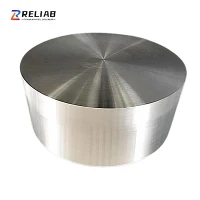
As a trusted supplier of Dental Implant Titanium Bars, I understand the critical importance of quality control in the production and supply of these essential medical components. In this blog, I will delve into what quality control means for dental implant titanium bars, the key aspects involved, and why it is so vital in the dental industry.
Understanding the Basics of Dental Implant Titanium Bars
Dental implant titanium bars are the foundation of modern dental implants. Made from high - quality titanium, these bars are used to create the implants that replace missing teeth, providing a stable and long - lasting solution for patients. Titanium is the material of choice due to its excellent biocompatibility, corrosion resistance, and strength. However, to ensure the safety and effectiveness of dental implants, strict quality control measures must be in place throughout the manufacturing process.
Raw Material Selection
The first step in quality control begins with the selection of raw materials. We source our titanium from reliable suppliers who adhere to international standards. The titanium used for dental implant bars typically meets specific grades, such as ASTM B348 Titanium Round Bar [/titanium/titanium - bar/astm - b348 - titanium - round - bar.html]. These standards define the chemical composition, mechanical properties, and other characteristics of the titanium.
For example, the chemical composition of the titanium must be carefully controlled. Impurities can have a significant impact on the biocompatibility and mechanical properties of the implant. Elements such as iron, carbon, nitrogen, and oxygen must be within specified limits. A high - quality titanium bar should have a low content of impurities to ensure optimal performance.
Manufacturing Process Control
Once the raw materials are selected, the manufacturing process of dental implant titanium bars is closely monitored. Precision machining is used to shape the bars into the desired dimensions. The tolerance levels for the diameter, length, and surface finish of the bars are extremely tight. Even a small deviation from the specified dimensions can affect the fit and function of the final dental implant.
Heat treatment is another crucial step in the manufacturing process. It is used to optimize the mechanical properties of the titanium, such as hardness and strength. The heat treatment parameters, including temperature, time, and cooling rate, must be precisely controlled. Any variation in these parameters can lead to inconsistent mechanical properties, which may compromise the performance of the dental implant.
Non - Destructive Testing
Non - destructive testing (NDT) methods are employed to detect any internal defects in the dental implant titanium bars. Ultrasonic testing is commonly used to identify cracks, voids, or other inhomogeneities within the bar. This method uses high - frequency sound waves to penetrate the material and detect any disruptions in the sound wave pattern. Eddy current testing is also used to detect surface and near - surface defects.


These NDT methods are essential for ensuring the integrity of the titanium bars. Defects that are not detected can lead to implant failure, which can have serious consequences for the patient. By using NDT, we can identify and remove any defective bars from the production line before they are used to manufacture dental implants.
Surface Quality Control
The surface quality of dental implant titanium bars is of utmost importance. A smooth and clean surface is essential for good osseointegration, which is the process by which the implant fuses with the surrounding bone. Surface roughness, contamination, or the presence of micro - cracks can all affect osseointegration.
We use advanced surface finishing techniques to achieve the desired surface quality. This may include polishing, sandblasting, or chemical etching. After the surface finishing process, the bars are thoroughly cleaned to remove any residues. Surface analysis techniques, such as scanning electron microscopy (SEM) and atomic force microscopy (AFM), are used to evaluate the surface topography and cleanliness of the bars.
Quality Assurance and Certification
To demonstrate the quality of our dental implant titanium bars, we have a comprehensive quality assurance system in place. Our production facilities are certified to international quality management standards, such as ISO 13485, which is specifically designed for medical device manufacturers. This certification ensures that our manufacturing processes are well - defined, controlled, and continuously improved.
In addition to ISO 13485, our products may also meet other industry - specific standards. For example, some of our titanium bars meet the AMS 4928 standard [/titanium/titanium - bar/ams - 4928 - titanium - bar.html]. These standards provide an additional level of assurance to our customers that our products meet the highest quality requirements.
Final Inspection and Packaging
Before the dental implant titanium bars are shipped to our customers, they undergo a final inspection. This inspection includes a visual check for any surface defects, a dimensional check to ensure compliance with the specifications, and a verification of the documentation. Only bars that pass this final inspection are packaged and shipped.
The packaging of the titanium bars is also carefully designed to protect them during transportation and storage. The bars are typically packaged in a clean and sterile environment to prevent contamination. The packaging materials are selected to provide adequate protection against physical damage, moisture, and other environmental factors.
Why Quality Control Matters in Dental Implants
Quality control in dental implant titanium bars is not just a matter of compliance with standards; it is a matter of patient safety and satisfaction. A poorly manufactured dental implant can lead to a variety of complications, such as infection, implant failure, and bone loss. By ensuring the highest quality of our titanium bars, we can help dentists provide their patients with reliable and long - lasting dental implants.
In addition, high - quality dental implants can enhance the reputation of dental practices. Patients are more likely to trust a dentist who uses high - quality implants. This can lead to increased patient satisfaction, word - of - mouth referrals, and ultimately, a more successful dental practice.
Conclusion
In conclusion, quality control of dental implant titanium bars is a multi - faceted process that involves raw material selection, manufacturing process control, non - destructive testing, surface quality control, quality assurance, and final inspection. As a supplier of Dental Implant Titanium Bars, we are committed to providing our customers with the highest quality products. Our strict quality control measures ensure that our titanium bars meet the most demanding industry standards and provide optimal performance in dental implants.
If you are in the market for high - quality dental implant titanium bars, we invite you to contact us for a detailed discussion about your requirements. We are ready to work with you to provide the best solutions for your dental implant needs.
References
- ASTM International. "ASTM B348 Standard Specification for Wrought Titanium and Titanium Alloy Bars and Billets."
- Aerospace Material Specification (AMS) 4928. "Titanium Alloy Bars, Forgings, and Rings 6Al - 4V Annealed."
- ISO 13485:2016, "Medical devices -- Quality management systems -- Requirements for regulatory purposes."