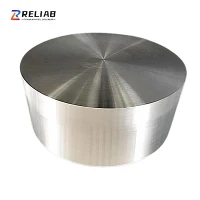
In the realm of high - performance materials, TI6AL4V titanium round bars stand out as a cornerstone for a wide range of industries, from aerospace to medical applications. As a trusted supplier of TI6AL4V Titanium Round Bars, I often encounter questions regarding various specifications, and one that frequently surfaces is about the straightness tolerance of these bars. In this blog, I'll delve into the concept of straightness tolerance, its significance, and how it pertains to TI6AL4V titanium round bars.
Understanding Straightness Tolerance
Straightness tolerance is a geometric tolerance that defines the allowable deviation of a feature from a perfectly straight line. In the context of a TI6AL4V titanium round bar, it refers to how much the actual centerline of the bar can deviate from an ideal straight line. This tolerance is crucial because it directly impacts the bar's functionality and the performance of the components made from it.
A perfectly straight bar is an ideal that is almost impossible to achieve in real - world manufacturing. Therefore, standards are set to define an acceptable range of deviation. These standards ensure that the bar will perform as expected in its intended application. For example, in aerospace applications, where precision is of the utmost importance, a bar with excessive straightness deviation could lead to improper fitting of parts, which might compromise the safety and performance of an aircraft.
Factors Affecting Straightness Tolerance in TI6AL4V Titanium Round Bars
Several factors can influence the straightness tolerance of TI6AL4V titanium round bars during the manufacturing process.
1. Manufacturing Process
The method used to produce the round bar plays a significant role. For instance, hot rolling is a common process for manufacturing TI6AL4V bars. During hot rolling, the bar is subjected to high temperatures and mechanical forces. If the rolling mills are not properly calibrated or if the temperature distribution is uneven, it can cause the bar to bend or warp, resulting in a deviation from straightness.
Cold drawing is another process that can be used to improve the straightness of the bar. However, if the dies used in the cold - drawing process are worn or misaligned, it can also introduce straightness issues.
2. Material Properties
TI6AL4V is a titanium alloy known for its high strength - to - weight ratio and excellent corrosion resistance. However, its material properties can also pose challenges in achieving tight straightness tolerances. Titanium has a relatively low thermal conductivity compared to some other metals. This means that during heat - treatment processes, temperature gradients can develop more easily, which may lead to internal stresses and subsequent deformation of the bar.
3. Handling and Storage
Even after the bar is manufactured, improper handling and storage can affect its straightness. If the bars are stacked in an uneven manner or if they are subjected to external forces during transportation, it can cause them to bend.
Industry Standards for Straightness Tolerance
Different industries have their own standards for straightness tolerance of TI6AL4V titanium round bars.
In the aerospace industry, standards such as those set by the Aerospace Industries Association (AIA) are often followed. These standards typically specify very tight straightness tolerances, often in the range of a few thousandths of an inch per foot of bar length. This is because aerospace components require extremely high precision to ensure the safety and performance of aircraft.
The medical industry also has strict standards for straightness tolerance. For example, in the production of orthopedic implants made from Gr5 ELI Medical Titanium Alloy Bar, the straightness of the bar is crucial for proper fitting and functionality. Medical standards are designed to ensure that the implants will integrate well with the human body and perform their intended function without causing any complications.
Measuring Straightness Tolerance
There are several methods available for measuring the straightness tolerance of TI6AL4V titanium round bars.
1. Optical Measuring Systems
Optical measuring systems use lasers or other light sources to project a beam along the length of the bar. By analyzing the reflection or refraction of the light, the system can detect any deviations from a straight line. These systems are highly accurate and can provide detailed information about the straightness of the bar.
2. Mechanical Measuring Devices
Mechanical measuring devices, such as straightedges and dial indicators, can also be used. A straightedge is placed along the length of the bar, and the gap between the straightedge and the bar is measured using a dial indicator. This method is relatively simple and cost - effective, but it may not be as accurate as optical measuring systems, especially for detecting small deviations.
Importance of Straightness Tolerance in Different Applications
1. Aerospace Applications
As mentioned earlier, in aerospace applications, the straightness of TI6AL4V titanium round bars is critical. These bars are used in the production of aircraft components such as landing gear, engine parts, and structural elements. A bar with excessive straightness deviation can lead to improper assembly of parts, which can result in increased stress concentrations and potential failure of the component. This could have catastrophic consequences for the safety of the aircraft and its passengers.
2. Medical Applications
In the medical field, Gr5 ELI Medical Titanium Alloy Bar is used to manufacture orthopedic implants, dental implants, and surgical instruments. The straightness of the bar is essential for ensuring a proper fit of the implant in the human body. For example, in the case of a hip implant, a bar with poor straightness could result in an implant that does not align correctly with the bone, leading to pain, discomfort, and potentially the need for revision surgery.
3. Industrial Applications
In industrial applications, TI6AL4V titanium round bars are used in a variety of machinery and equipment. For example, they can be used in the production of chemical processing equipment due to their excellent corrosion resistance. In these applications, the straightness of the bar is important for ensuring proper alignment of parts and smooth operation of the equipment.
Our Approach as a Supplier
As a supplier of TI6AL4V Titanium Round Bars, we understand the importance of straightness tolerance. We have implemented a comprehensive quality control system to ensure that our bars meet or exceed industry standards.
Our manufacturing processes are carefully monitored and controlled. We use state - of - the - art equipment and advanced technologies to minimize the factors that can affect straightness. For example, our rolling mills are regularly calibrated to ensure uniform pressure distribution during the rolling process, and our heat - treatment furnaces are equipped with precise temperature control systems to reduce the risk of internal stress development.
In addition to in - house manufacturing controls, we also conduct rigorous inspection of each bar before it leaves our facility. We use a combination of optical and mechanical measuring methods to verify the straightness of the bars. This allows us to identify any potential issues early on and take corrective actions to ensure that only bars with acceptable straightness tolerances are supplied to our customers.
Other Related Titanium Bars
In addition to TI6AL4V titanium round bars, we also supply other types of titanium bars, such as CP Titanium Bar and ASTM F67 H9 Titanium Bar. These bars also have their own specific straightness tolerance requirements, which are determined by their intended applications.
Conclusion
The straightness tolerance of TI6AL4V titanium round bars is a critical factor that affects their performance in various industries. Understanding the concept of straightness tolerance, the factors that influence it, and the industry standards is essential for both manufacturers and users of these bars.
As a reliable supplier, we are committed to providing high - quality TI6AL4V Titanium Round Bars with tight straightness tolerances. Whether you are in the aerospace, medical, or industrial sector, we have the expertise and resources to meet your specific requirements.
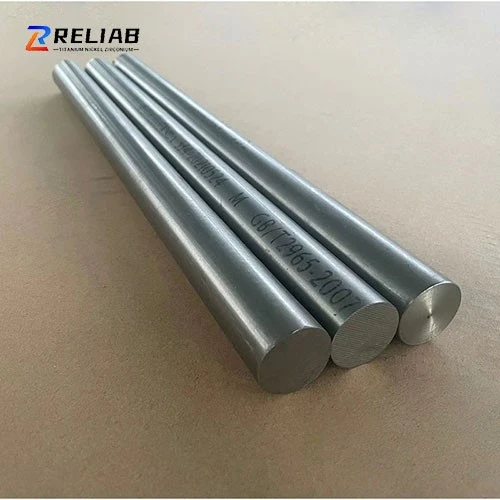

If you are interested in purchasing TI6AL4V Titanium Round Bars or have any questions about straightness tolerance or other specifications, please feel free to contact us for further discussion and procurement negotiations. We look forward to working with you to meet your titanium bar needs.
References
- Aerospace Industries Association (AIA) standards documents
- Medical industry standards for orthopedic implants
- Technical literature on titanium alloy manufacturing processes