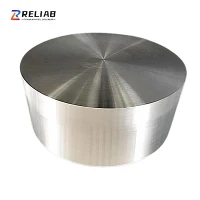
TI6AL4V titanium alloy, also known as Grade 5 titanium, is one of the most widely used titanium alloys in various industries. It is renowned for its excellent combination of high strength, low density, good corrosion resistance, and biocompatibility. As a supplier of TI6AL4V titanium alloy plates, I often encounter inquiries from customers regarding the susceptibility of these plates to cracking. In this blog post, I will delve into the factors that influence the cracking tendency of TI6AL4V titanium alloy plates and provide insights to help you make informed decisions.
Understanding TI6AL4V Titanium Alloy
Before discussing the cracking issue, it is essential to understand the properties of TI6AL4V titanium alloy. This alloy is composed of approximately 6% aluminum, 4% vanadium, and the remainder titanium. The addition of aluminum and vanadium enhances the strength and heat resistance of the alloy while maintaining its corrosion resistance. TI6AL4V titanium alloy has a hexagonal close-packed (HCP) crystal structure at room temperature, which gives it unique mechanical properties.
Factors Influencing Cracking
Several factors can contribute to the cracking of TI6AL4V titanium alloy plates. These factors can be broadly classified into material-related factors, processing-related factors, and service-related factors.
Material-Related Factors
- Chemical Composition: The chemical composition of the alloy plays a crucial role in its cracking susceptibility. Impurities such as oxygen, nitrogen, and carbon can increase the brittleness of the alloy and make it more prone to cracking. Therefore, it is essential to ensure that the alloy meets the specified chemical composition requirements.
- Microstructure: The microstructure of the alloy also affects its cracking behavior. A coarse-grained microstructure can reduce the ductility of the alloy and increase its susceptibility to cracking. On the other hand, a fine-grained microstructure can improve the ductility and toughness of the alloy.
- Mechanical Properties: The mechanical properties of the alloy, such as strength, ductility, and toughness, can influence its cracking tendency. An alloy with high strength but low ductility is more likely to crack under stress. Therefore, it is important to select an alloy with appropriate mechanical properties for the intended application.
Processing-Related Factors
- Heat Treatment: Heat treatment is a critical process in the manufacturing of TI6AL4V titanium alloy plates. Improper heat treatment can result in the formation of brittle phases or residual stresses in the alloy, which can increase its cracking susceptibility. Therefore, it is essential to follow the recommended heat treatment procedures to ensure the optimal properties of the alloy.
- Cold Working: Cold working, such as rolling or forging, can also affect the cracking behavior of the alloy. Excessive cold working can introduce high residual stresses in the alloy, which can lead to cracking during subsequent processing or service. Therefore, it is important to control the amount of cold working and to perform appropriate stress relief treatments to minimize the residual stresses.
- Welding: Welding is a common joining method for TI6AL4V titanium alloy plates. However, welding can introduce high heat input and residual stresses in the alloy, which can increase its cracking susceptibility. Therefore, it is essential to use appropriate welding techniques and procedures to minimize the heat input and residual stresses.
Service-Related Factors
- Stress Concentration: Stress concentration can occur at notches, holes, or other geometric discontinuities in the alloy. These areas are more prone to cracking under stress. Therefore, it is important to design the component to minimize stress concentration and to use appropriate stress relief techniques, such as filleting or chamfering, to reduce the stress concentration.
- Corrosion: Corrosion can also affect the cracking behavior of the alloy. Corrosion can cause the formation of pits or cracks on the surface of the alloy, which can act as stress concentrators and increase the cracking susceptibility. Therefore, it is important to protect the alloy from corrosion by using appropriate coatings or corrosion inhibitors.
- Fatigue: Fatigue is a common failure mode in engineering components. TI6AL4V titanium alloy plates can be subjected to cyclic loading during service, which can lead to fatigue cracking. Therefore, it is important to design the component to withstand the expected fatigue loading and to use appropriate fatigue-resistant materials and design techniques.
Preventing Cracking
To prevent cracking of TI6AL4V titanium alloy plates, it is important to take a comprehensive approach that addresses all the factors influencing cracking. The following are some general guidelines for preventing cracking:
- Select the Right Material: Choose an alloy with appropriate chemical composition, microstructure, and mechanical properties for the intended application. Ensure that the alloy meets the specified quality standards and requirements.
- Control the Processing Parameters: Follow the recommended processing procedures, such as heat treatment, cold working, and welding, to ensure the optimal properties of the alloy. Control the amount of cold working and perform appropriate stress relief treatments to minimize the residual stresses.
- Design for Stress Relief: Design the component to minimize stress concentration and to use appropriate stress relief techniques, such as filleting or chamfering, to reduce the stress concentration.
- Protect from Corrosion: Protect the alloy from corrosion by using appropriate coatings or corrosion inhibitors. Regularly inspect the component for signs of corrosion and take appropriate measures to prevent further corrosion.
- Perform Fatigue Analysis: Perform fatigue analysis to determine the expected fatigue life of the component. Design the component to withstand the expected fatigue loading and to use appropriate fatigue-resistant materials and design techniques.
Conclusion
In conclusion, TI6AL4V titanium alloy plates are not inherently prone to cracking. However, several factors, such as material-related factors, processing-related factors, and service-related factors, can influence the cracking tendency of the alloy. By understanding these factors and taking appropriate preventive measures, it is possible to minimize the risk of cracking and ensure the reliable performance of the alloy in various applications.
As a supplier of TI6AL4V titanium alloy plates, we are committed to providing high-quality products and technical support to our customers. If you have any questions or concerns about the cracking susceptibility of our TI6AL4V titanium alloy plates, please do not hesitate to contact us. We will be happy to assist you in selecting the right material and providing the necessary technical advice to ensure the success of your project.


For more information about our TI6AL4V titanium alloy plates, please visit our website:
If you are interested in purchasing our TI6AL4V titanium alloy plates, please contact us to start a procurement discussion. We look forward to working with you.
References
- Boyer, R. R., Welsch, G., & Collings, E. W. (1994). Materials properties handbook: Titanium alloys. ASM International.
- Davis, J. R. (2000). Titanium and titanium alloys: ASM specialty handbook. ASM International.
- Pyzdrowski, G. (2008). Titanium: A technical guide. ASM International.