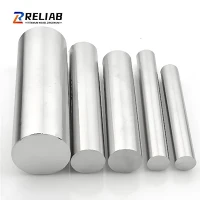
Can titanium forgings be heat - treated? You bet they can! As a titanium forgings supplier, I've seen firsthand the wonders of heat treatment on these amazing metal products. In this blog, I'll break down the ins and outs of heat - treating titanium forgings, sharing why it's done, how it works, and what benefits it brings.
Why Heat - Treat Titanium Forgings?
First off, let's talk about why we even bother with heat treatment. Titanium is already a super - star metal. It's strong, lightweight, and corrosion - resistant. But heat treatment can take these properties to the next level.
For one, heat treatment can improve the mechanical properties of titanium forgings. We can enhance their strength, hardness, and toughness. This is crucial in industries where the forgings are used in high - stress applications. For example, in aerospace, where components need to withstand extreme forces and temperatures, heat - treated titanium forgings are a must.
Another reason is to relieve internal stresses. During the forging process, internal stresses can build up in the titanium. These stresses can lead to cracking or deformation over time. Heat treatment helps to relax these stresses, making the forgings more stable and reliable.
How Does Heat Treatment Work?
There are several heat - treatment processes for titanium forgings, and each has its own unique purpose.
Annealing is one of the most common methods. It involves heating the titanium forgings to a specific temperature and then slowly cooling them. This process softens the titanium, making it easier to machine. It also relieves internal stresses and improves the ductility of the forgings. For instance, if you're working with Gr5 Titanium Alloy Square Blocks, annealing can make them more malleable for further shaping.
Solution treating is another important process. In this method, the titanium forgings are heated to a high temperature and then rapidly cooled. This process dissolves any precipitates in the titanium, creating a more homogeneous structure. After solution treating, the forgings can be aged to further strengthen them.
Aging is the final step in many heat - treatment processes. After solution treating, the forgings are heated to a lower temperature for a specific period. This causes the formation of fine precipitates within the titanium, which significantly increases its strength.
Benefits of Heat - Treated Titanium Forgings
The benefits of heat - treated titanium forgings are numerous.
Enhanced Strength: As mentioned earlier, heat treatment can make titanium forgings much stronger. This means they can handle higher loads and stresses without failing. In the automotive industry, for example, heat - treated titanium forgings can be used in engine components to improve performance and durability.
Improved Corrosion Resistance: Heat treatment can also enhance the corrosion resistance of titanium forgings. By creating a more uniform structure, it becomes more difficult for corrosive agents to penetrate the metal. This is especially important in marine applications, where the forgings are constantly exposed to saltwater.
Better Machinability: Annealed titanium forgings are easier to machine. This reduces production time and costs, as less effort is required to shape the forgings into the desired form. If you're in the manufacturing business, this can be a huge advantage.
Different Grades of Titanium Forgings and Heat Treatment
Not all titanium forgings are created equal, and different grades respond differently to heat treatment.


Gr5 Titanium Alloy Square Blocks are made from a popular titanium alloy known as Ti - 6Al - 4V. This alloy is widely used in aerospace and medical applications. Heat treatment can significantly improve its strength and fatigue resistance, making it even more suitable for these demanding industries.
High Purity Titanium Sputtering Targets require a different approach to heat treatment. Since high - purity titanium has a different microstructure compared to alloys, the heat - treatment parameters need to be carefully adjusted to achieve the desired properties.
Grade 2 titanium forgings are known for their excellent corrosion resistance. Heat treatment can further enhance this property, as well as improve their formability.
Challenges in Heat - Treating Titanium Forgings
While heat treatment offers many benefits, it's not without its challenges.
One of the main challenges is the risk of oxidation. Titanium has a high affinity for oxygen, and at high temperatures, it can react with oxygen in the air to form a hard, brittle oxide layer. To prevent this, heat treatment is often carried out in a controlled atmosphere, such as a vacuum or an inert gas environment.
Another challenge is the need for precise temperature control. Different heat - treatment processes require specific temperature ranges, and even a small deviation can have a significant impact on the properties of the forgings. This means that advanced heating equipment and monitoring systems are essential.
Quality Control in Heat - Treated Titanium Forgings
Quality control is crucial when it comes to heat - treated titanium forgings. After heat treatment, the forgings need to be thoroughly inspected to ensure they meet the required specifications.
Non - destructive testing methods, such as ultrasonic testing and X - ray inspection, are commonly used to detect any internal defects in the forgings. Hardness testing is also performed to verify that the heat treatment has achieved the desired level of hardness.
Conclusion
So, can titanium forgings be heat - treated? Absolutely! Heat treatment is a powerful tool that can transform the properties of titanium forgings, making them stronger, more durable, and more reliable. Whether you're in the aerospace, automotive, medical, or any other industry that uses titanium forgings, heat - treated products can offer significant advantages.
If you're interested in purchasing high - quality titanium forgings, whether they're Gr5 Titanium Alloy Square Blocks, Titanium Grade 2 Forgings, or High Purity Titanium Sputtering Targets, feel free to reach out for a consultation. We can discuss your specific needs and how heat treatment can optimize the performance of the forgings for your application.
References
- "Titanium: A Technical Guide" by John R. Davis
- "Heat Treatment of Metals" by George E. Totten and David Scott MacKenzie