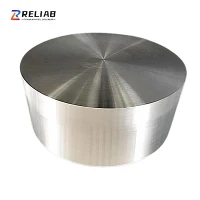
Hey there! I'm a supplier of CP Titanium Bars, and I often get asked if these bars require special handling. Well, let's dive right into it and find out.
First off, what is CP Titanium? CP stands for commercially pure titanium. It's known for its excellent corrosion resistance, high strength-to-weight ratio, and biocompatibility. These properties make CP Titanium Bars a popular choice in various industries, including aerospace, medical, and marine.
Now, back to the question: Does CP Titanium Bar require special handling? The short answer is yes, to some extent. Let's break it down into different aspects.
Storage
When it comes to storing CP Titanium Bars, you need to be careful. Titanium is a reactive metal, especially at high temperatures. It can react with oxygen, nitrogen, and hydrogen in the air, which can affect its properties. So, it's best to store CP Titanium Bars in a dry, clean environment. Avoid storing them in areas with high humidity or where they can come into contact with chemicals.
For example, if you store the bars in a damp warehouse, moisture can cause oxidation on the surface of the titanium. This oxidation layer might seem harmless at first, but it can actually reduce the corrosion resistance of the bar over time. So, make sure to keep the storage area well - ventilated and dry.
Handling During Transportation
Transporting CP Titanium Bars also requires some special attention. The bars are usually quite long and can be heavy. You need to use proper lifting equipment to avoid any damage. Sharp edges or rough handling can cause scratches on the surface of the bars. These scratches can be a starting point for corrosion, especially in harsh environments.
When loading and unloading the bars, use soft - padded slings or straps. This will prevent the surface of the titanium from getting scratched. Also, make sure the bars are properly secured during transportation to prevent them from shifting and colliding with each other or other objects.
Machining and Fabrication
Machining CP Titanium Bars is a bit different from machining other metals. Titanium has a low thermal conductivity, which means that heat generated during machining tends to stay at the cutting edge. This can lead to high temperatures, which can damage the cutting tools and the surface of the bar.
To machine CP Titanium Bars effectively, you need to use the right cutting tools and cutting parameters. High - speed steel tools are not recommended as they can wear out quickly. Instead, use carbide or ceramic cutting tools. Also, use a coolant during machining to dissipate the heat and reduce friction.
During fabrication, such as welding, CP Titanium Bars require a controlled environment. Titanium is very reactive to oxygen, nitrogen, and hydrogen at high temperatures. If welding is done in an open environment, these gases can contaminate the weld and reduce its strength and ductility. So, welding of CP Titanium Bars is usually done in an inert gas environment, such as argon.
Comparison with Other Titanium Alloys
It's interesting to compare the handling requirements of CP Titanium Bars with other titanium alloys. For instance, Ti - 6242 Titanium Bars are an alloy that contains aluminum, tin, zirconium, and molybdenum. These alloys are often stronger than commercially pure titanium but may also have different handling requirements.
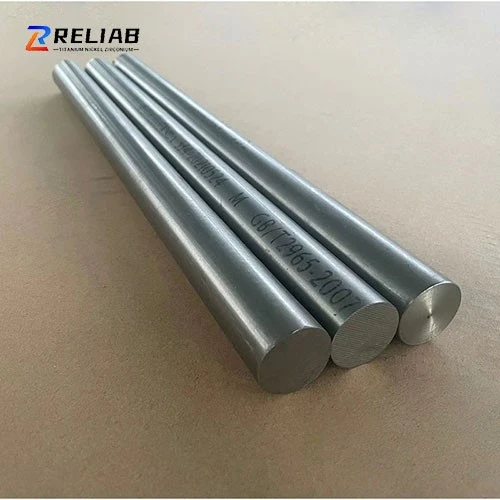
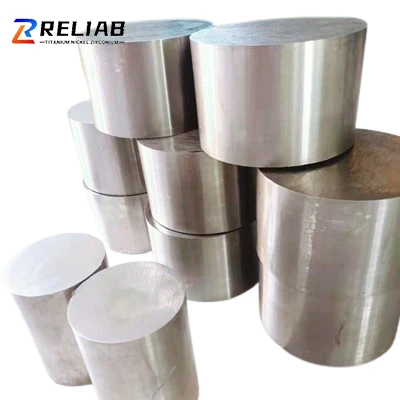
Ti - 6242 Titanium Bars may require more precise heat treatment during fabrication to achieve the desired mechanical properties. They also need to be handled carefully to avoid any contamination that could affect the alloy's performance.
Grade 23 Medical Titanium Bars are another example. These bars are used in medical applications, so the handling requirements are even more stringent. They need to be kept extremely clean to meet the high - quality standards for medical use. Any contamination could have serious consequences for patients.
Gr5 ELI Medical Titanium Alloy Bar is also a popular choice in the medical field. Similar to Grade 23 bars, they require strict handling procedures to ensure their biocompatibility and mechanical integrity.
Safety Precautions
When handling CP Titanium Bars, safety should always be a top priority. Titanium dust can be a health hazard if inhaled. During machining or cutting operations, make sure to use proper dust collection systems to prevent the dust from spreading in the air.
Also, when working with hot titanium, such as during heat treatment, wear appropriate protective clothing. Titanium can reach very high temperatures during these processes, and direct contact can cause serious burns.
Conclusion
In conclusion, CP Titanium Bars do require special handling. From storage to transportation, machining, and fabrication, each step needs to be carried out with care to ensure the quality and performance of the bars. While the handling requirements may seem a bit daunting at first, following the right procedures will help you get the most out of these amazing materials.
If you're in the market for CP Titanium Bars or have any questions about their handling, don't hesitate to reach out. I'm here to help you with all your titanium bar needs. Whether you're in the aerospace, medical, or any other industry, I can provide you with high - quality CP Titanium Bars and the support you need. Let's start a conversation and see how we can work together to meet your requirements.
References
- "Titanium: A Technical Guide" by John R. Davis
- "Machining of Titanium and Titanium Alloys" by E. O. Ezugwu and Y. Y. Wang
- Industry standards and guidelines for titanium handling and fabrication.