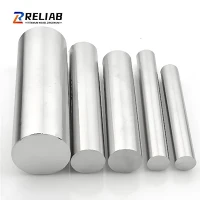
Hey there! As a titanium supplier, I often get asked about the ASTM standards for titanium. So, I thought I'd put together this blog post to give you all the lowdown on what these standards are, why they matter, and how they relate to the titanium products we offer.
What Are ASTM Standards?
First things first, let's talk about what ASTM is. ASTM International, formerly known as the American Society for Testing and Materials, is a globally recognized organization that develops and publishes technical standards for a wide range of materials, products, systems, and services. These standards are used by manufacturers, regulators, and consumers around the world to ensure the quality, safety, and performance of various products.
When it comes to titanium, ASTM has developed a comprehensive set of standards that cover everything from the chemical composition and mechanical properties of titanium alloys to the manufacturing processes and testing methods used to produce titanium products. These standards help to ensure that titanium products meet certain quality and performance criteria, which is crucial for applications in industries such as aerospace, medical, automotive, and marine.
Why Do ASTM Standards Matter?
You might be wondering why ASTM standards are so important. Well, here are a few reasons:
- Quality Assurance: ASTM standards provide a common set of guidelines and specifications that manufacturers can follow to ensure that their titanium products are of high quality. By adhering to these standards, manufacturers can minimize the risk of defects and ensure that their products meet the requirements of their customers.
- Safety: Titanium is used in many applications where safety is a top priority, such as aerospace and medical devices. ASTM standards help to ensure that titanium products are safe to use by specifying the minimum requirements for mechanical properties, corrosion resistance, and other important characteristics.
- Interoperability: ASTM standards promote interoperability between different manufacturers and suppliers of titanium products. By using the same standards, manufacturers can ensure that their products are compatible with each other and can be used together in various applications.
- Global Acceptance: ASTM standards are recognized and accepted worldwide, which makes it easier for manufacturers to sell their titanium products in international markets. By meeting ASTM standards, manufacturers can demonstrate the quality and reliability of their products to customers around the world.
ASTM Standards for Titanium
Now, let's take a closer look at some of the ASTM standards that are relevant to titanium. Here are a few of the most commonly used standards:
- ASTM B265: This standard covers the specification for titanium and titanium alloy strip, sheet, and plate. It includes requirements for chemical composition, mechanical properties, and surface finish, as well as testing methods for determining these properties.
- ASTM B348: This standard covers the specification for titanium and titanium alloy bars and billets. It includes requirements for chemical composition, mechanical properties, and dimensional tolerances, as well as testing methods for determining these properties.
- ASTM B381: This standard covers the specification for titanium and titanium alloy forgings. It includes requirements for chemical composition, mechanical properties, and dimensional tolerances, as well as testing methods for determining these properties.
- ASTM F67: This standard covers the specification for unalloyed titanium for surgical implant applications. It includes requirements for chemical composition, mechanical properties, and surface finish, as well as testing methods for determining these properties.
- ASTM F136: This standard covers the specification for wrought titanium-6 aluminum-4 vanadium extra-low-interstitial (ELI) alloy for surgical implant applications. It includes requirements for chemical composition, mechanical properties, and surface finish, as well as testing methods for determining these properties.
These are just a few examples of the ASTM standards that are relevant to titanium. There are many other standards that cover different types of titanium products and applications, so it's important to choose the right standard for your specific needs.
How ASTM Standards Relate to Our Titanium Products
As a titanium supplier, we are committed to providing our customers with high-quality titanium products that meet or exceed the relevant ASTM standards. We work closely with our manufacturers to ensure that our products are manufactured to the highest standards of quality and performance.
For example, our Titanium Alloy Bolts Hexagon Head DIN933 are manufactured to meet the requirements of ASTM B348 and other relevant standards. These bolts are made from high-quality titanium alloy and are designed to provide excellent strength, corrosion resistance, and durability. They are suitable for a wide range of applications, including aerospace, automotive, and marine.
In addition to our bolts, we also offer a wide range of other titanium products, including sheets, plates, bars, forgings, and tubes. All of our products are manufactured to meet or exceed the relevant ASTM standards, and we can provide our customers with detailed documentation and certification to prove it.
Contact Us for Your Titanium Needs
If you're in the market for high-quality titanium products, look no further than our company. We have a wide range of titanium products available, and we can provide you with the technical support and expertise you need to choose the right products for your specific needs.
Whether you're looking for titanium bolts, sheets, plates, bars, forgings, or tubes, we can help. Our team of experts is always available to answer your questions and provide you with the information you need to make an informed decision.


So, if you're interested in learning more about our titanium products or would like to place an order, please don't hesitate to contact us. We look forward to hearing from you and working with you to meet your titanium needs.
References
- ASTM International. (n.d.). ASTM Standards. Retrieved from ASTM International Website
- Titanium Metals Society. (n.d.). Titanium Standards. Retrieved from Titanium Metals Society Website