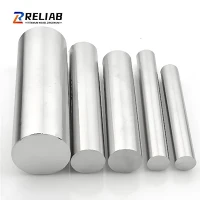
Hey there! As a supplier of Titanium Alloy Round Bars, I've been getting a lot of questions lately about how to polish these bars. So, I thought I'd put together this blog post to share some tips and tricks on the process.
First off, let's talk about why you might want to polish titanium alloy round bars. Polishing not only enhances the appearance of the bars, making them look sleek and shiny, but it can also improve their corrosion resistance and reduce friction. This is especially important in applications where the bars will be exposed to harsh environments or need to move smoothly against other surfaces.
Understanding Titanium Alloy
Before we dive into the polishing process, it's important to understand a bit about titanium alloy. Titanium is a strong, lightweight metal that's known for its excellent corrosion resistance. When alloyed with other metals, such as aluminum and vanadium, it becomes even stronger and more versatile. Titanium alloy round bars are used in a wide range of industries, including aerospace, medical, and automotive.
Tools and Materials You'll Need
To polish titanium alloy round bars, you'll need a few tools and materials. Here's a list of what you'll need:
- Polishing compounds: There are several types of polishing compounds available, each designed for a specific stage of the polishing process. You'll typically need a coarse compound for the initial rough polishing, a medium compound for the intermediate stage, and a fine compound for the final finish.
- Polishing wheels: You'll need different types of polishing wheels for each stage of the process. Coarse wheels are used with the coarse compound, medium wheels with the medium compound, and fine wheels with the fine compound.
- Safety equipment: Polishing can generate a lot of dust and debris, so it's important to wear safety equipment, such as goggles, a dust mask, and gloves.
- Cleaning supplies: You'll need to clean the bars before and after polishing to remove any dirt, grease, or debris. You can use a mild detergent and water to clean the bars, followed by a clean, dry cloth to dry them.
The Polishing Process
Now that you have all the tools and materials you need, it's time to start polishing. Here's a step-by-step guide to the process:
Step 1: Prepare the Bars
Before you start polishing, you'll need to prepare the bars. This involves cleaning the bars to remove any dirt, grease, or debris. You can use a mild detergent and water to clean the bars, followed by a clean, dry cloth to dry them.


Step 2: Rough Polishing
The first stage of the polishing process is rough polishing. This involves using a coarse polishing compound and a coarse polishing wheel to remove any surface imperfections, such as scratches or pits. To do this, apply a small amount of the coarse compound to the polishing wheel and turn on the polisher. Hold the bar against the spinning wheel at a slight angle and move it back and forth across the wheel. Be careful not to apply too much pressure, as this can cause the bar to overheat and damage the surface.
Step 3: Intermediate Polishing
Once you've completed the rough polishing stage, it's time to move on to the intermediate polishing stage. This involves using a medium polishing compound and a medium polishing wheel to smooth out the surface of the bar and remove any remaining scratches or imperfections. To do this, apply a small amount of the medium compound to the polishing wheel and turn on the polisher. Hold the bar against the spinning wheel at a slight angle and move it back and forth across the wheel. Again, be careful not to apply too much pressure.
Step 4: Final Polishing
The final stage of the polishing process is the final polishing stage. This involves using a fine polishing compound and a fine polishing wheel to give the bar a mirror-like finish. To do this, apply a small amount of the fine compound to the polishing wheel and turn on the polisher. Hold the bar against the spinning wheel at a slight angle and move it back and forth across the wheel. This stage requires a lot of patience and attention to detail, as you want to make sure the surface of the bar is as smooth and shiny as possible.
Step 5: Clean the Bars
Once you've completed the polishing process, it's important to clean the bars to remove any remaining polishing compound and debris. You can use a mild detergent and water to clean the bars, followed by a clean, dry cloth to dry them.
Tips and Tricks
Here are some tips and tricks to help you get the best results when polishing titanium alloy round bars:
- Use the right compound and wheel for each stage of the process: Using the wrong compound or wheel can result in a poor finish or damage to the surface of the bar.
- Apply the compound evenly: Make sure you apply the compound evenly to the polishing wheel to ensure a consistent finish.
- Be careful not to overheat the bar: Polishing can generate a lot of heat, which can cause the bar to overheat and damage the surface. To prevent this, take breaks between polishing sessions and use a cooling agent, such as water or a coolant spray, to keep the bar cool.
- Use a light touch: Applying too much pressure can cause the bar to overheat and damage the surface. Use a light touch and let the polishing wheel do the work.
- Inspect the bars regularly: As you're polishing the bars, inspect them regularly to make sure you're getting the desired finish. If you notice any scratches or imperfections, go back and repeat the previous stage of the process.
Applications of Polished Titanium Alloy Round Bars
Polished titanium alloy round bars have a wide range of applications. Here are some examples:
- Medical applications: Polished titanium alloy round bars are used in a variety of medical applications, such as dental implants and orthopedic implants. The smooth, shiny surface of the bars makes them less likely to cause irritation or infection in the body. Check out our Dental Implant Titanium Bars for more information.
- Aerospace applications: Polished titanium alloy round bars are used in the aerospace industry for a variety of applications, such as aircraft engines and structural components. The high strength and corrosion resistance of the bars make them ideal for use in harsh environments.
- Automotive applications: Polished titanium alloy round bars are used in the automotive industry for a variety of applications, such as engine components and suspension systems. The lightweight and high strength of the bars make them ideal for use in high-performance vehicles.
- Decorative applications: Polished titanium alloy round bars are also used in decorative applications, such as jewelry and architectural elements. The sleek, shiny surface of the bars makes them a popular choice for designers and architects. Check out our Titanium Tableware for some great decorative options.
Contact Us for Your Titanium Alloy Round Bar Needs
If you're in the market for high-quality titanium alloy round bars, look no further. As a leading supplier of titanium alloy round bars, we offer a wide range of products to meet your needs. Whether you need Dia6mm Gr5Eli ASTM F136 Titanium Medical Rod for medical applications or bars for other industries, we've got you covered.
We're committed to providing our customers with the best products and services. Our team of experts can help you choose the right bars for your application and provide you with advice on polishing and other finishing processes. If you have any questions or would like to discuss your requirements, please don't hesitate to contact us. We're here to help you find the perfect solution for your needs.
References
- ASM Handbook Volume 7: Powder Metal Technologies and Applications
- Metals Handbook: Properties and Selection: Nonferrous Alloys and Pure Metals