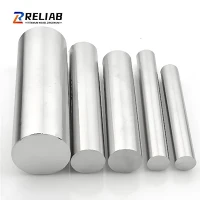
TI6AL4V, also known as Grade 5 titanium alloy, is one of the most widely used titanium alloys in various industries due to its excellent combination of high strength, good corrosion resistance, and low density. As a reliable TI6AL4V Titanium Round Bar supplier, understanding the allowable impurity levels in TI6AL4V titanium round bars is crucial for ensuring the quality and performance of our products. In this blog, we will delve into the key impurities in TI6AL4V, their allowable levels, and the impact they have on the properties of the titanium round bars.
Key Impurities in TI6AL4V Titanium Round Bars
The composition of TI6AL4V is primarily titanium (Ti) with 6% aluminum (Al) and 4% vanadium (V). However, like any alloy, it contains certain impurities that can affect its mechanical and chemical properties. The main impurities in TI6AL4V titanium round bars include oxygen (O), nitrogen (N), carbon (C), hydrogen (H), iron (Fe), and silicon (Si).
Allowable Impurity Levels
Oxygen (O)
Oxygen is one of the most important impurities in TI6AL4V. It can strengthen the alloy by solid - solution strengthening, but excessive oxygen can make the alloy brittle. The allowable oxygen content in standard TI6AL4V is typically in the range of 0.13% - 0.20%. In high - performance applications, such as aerospace components, the oxygen level may be restricted to the lower end of this range to ensure better ductility and toughness.
Nitrogen (N)
Nitrogen also contributes to solid - solution strengthening in TI6AL4V. However, similar to oxygen, high nitrogen levels can lead to embrittlement. The allowable nitrogen content is usually limited to 0.05% or less. This low limit helps maintain the alloy's ductility and fatigue resistance.
Carbon (C)
Carbon can form carbides in the alloy, which may affect its corrosion resistance and mechanical properties. The allowable carbon content in TI6AL4V is generally less than 0.08%. Keeping the carbon level low helps prevent the formation of large carbide particles that could act as stress concentration points and reduce the alloy's performance.
Hydrogen (H)
Hydrogen is a particularly problematic impurity in titanium alloys. It can cause hydrogen embrittlement, which significantly reduces the ductility and fracture toughness of the material. The allowable hydrogen content in TI6AL4V is typically restricted to 0.0125% or less. Special care must be taken during the manufacturing and processing of TI6AL4V to avoid hydrogen absorption, such as using proper heat treatment and storage conditions.
Iron (Fe)
Iron is a common impurity in TI6AL4V. It can form intermetallic compounds with titanium, which may affect the alloy's microstructure and properties. The allowable iron content is usually limited to 0.30% or less. Controlling the iron level helps maintain the alloy's corrosion resistance and mechanical stability.
Silicon (Si)
Silicon can improve the high - temperature strength of TI6AL4V, but excessive silicon can lead to the formation of brittle silicides. The allowable silicon content is typically less than 0.15%. This ensures that the beneficial effects of silicon are maximized while minimizing the negative impact on the alloy's ductility.
Impact of Impurities on Properties
Mechanical Properties
As mentioned above, impurities such as oxygen, nitrogen, and carbon can strengthen the alloy through solid - solution strengthening. However, when their levels exceed the allowable limits, they can cause embrittlement, reducing the ductility and toughness of the TI6AL4V round bars. Hydrogen embrittlement is a major concern, as it can lead to sudden and catastrophic failure of the components, especially under stress.
Corrosion Resistance
Impurities like iron and carbon can affect the corrosion resistance of TI6AL4V. High iron content can promote the formation of galvanic cells, increasing the risk of corrosion. Similarly, high carbon content can lead to the formation of carbides, which can act as sites for corrosion initiation. By controlling the impurity levels within the allowable ranges, we can ensure that the TI6AL4V round bars have excellent corrosion resistance in various environments.


Quality Control and Testing
As a TI6AL4V Titanium Round Bar supplier, we implement strict quality control measures to ensure that the impurity levels in our products meet the required standards. We use advanced analytical techniques such as spectroscopy to accurately measure the impurity content in each batch of round bars. Before delivery, our products undergo comprehensive testing, including mechanical property testing and corrosion resistance testing, to guarantee their quality and performance.
Applications and Impact of Allowable Impurities
TI6AL4V titanium round bars are used in a wide range of applications, including aerospace, medical, and automotive industries. In the aerospace industry, where components are subjected to high stress and harsh environments, strict control of impurity levels is essential to ensure the safety and reliability of the aircraft. For example, AMS 4928 Titanium Bar is often used in aerospace applications, and its impurity levels are carefully regulated to meet the demanding requirements of this industry.
In the medical field, TI6AL4V is also a popular choice due to its biocompatibility. Grade 23 Medical Titanium Bars and Gr5 ELI Medical Titanium Alloy Bar are used in medical implants. The allowable impurity levels in these medical - grade titanium bars are even more strictly controlled to ensure the long - term safety and performance of the implants in the human body.
Conclusion
Understanding the allowable impurity levels in TI6AL4V titanium round bars is essential for both suppliers and end - users. As a TI6AL4V Titanium Round Bar supplier, we are committed to providing high - quality products that meet or exceed the industry standards. By carefully controlling the impurity levels, we can ensure that our round bars have excellent mechanical properties, corrosion resistance, and performance in various applications.
If you are interested in our TI6AL4V Titanium Round Bars or have any questions about the allowable impurity levels, we welcome you to contact us for further discussion and potential procurement. We look forward to serving you and meeting your specific requirements.
References
- ASM Handbook Volume 2: Properties and Selection: Nonferrous Alloys and Special - Purpose Materials.
- Titanium: A Technical Guide, Second Edition by J. R. Davis.