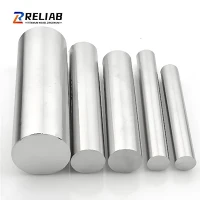
CP2 titanium plate, conforming to the ASTM B265 standard, has emerged as a material of choice in the medical industry due to its exceptional properties. As a reliable supplier of CP2 Titanium Plate ASTM B265, I've witnessed firsthand the diverse applications of this remarkable material in the medical field.
1. Biocompatibility and Its Significance
One of the most critical properties of CP2 titanium plate in the medical industry is its outstanding biocompatibility. Biocompatibility refers to the ability of a material to perform with an appropriate host response in a specific application. When it comes to medical implants, this means that the material should not cause any adverse reactions such as inflammation, rejection, or toxic effects when in contact with living tissues.
CP2 titanium has a unique surface oxide layer that forms spontaneously when exposed to air. This oxide layer is stable, inert, and resistant to corrosion, which helps prevent the release of harmful metal ions into the body. As a result, CP2 titanium implants can integrate well with the surrounding tissues, reducing the risk of complications and promoting long - term success. For example, in dental implants, the biocompatibility of CP2 titanium allows for osseointegration, the direct structural and functional connection between the implant surface and the bone. This enables the implant to act as a stable anchor for artificial teeth, providing patients with a reliable and long - lasting solution for missing teeth.
2. Orthopedic Applications
Orthopedics is one of the major areas where CP2 titanium plate ASTM B265 finds extensive use.
Bone Plates and Screws
In orthopedic surgeries for fractures, CP2 titanium plates and screws are commonly used to stabilize broken bones. The plates are designed to be attached to the bone surface, providing support and alignment while the bone heals. The low modulus of elasticity of CP2 titanium, which is closer to that of human bone compared to other metals like stainless steel, helps reduce the stress shielding effect. Stress shielding occurs when a rigid implant takes on too much of the load that would normally be borne by the bone, leading to bone resorption over time. By minimizing stress shielding, CP2 titanium plates and screws allow the bone to bear a more appropriate amount of stress, promoting better bone healing and maintaining bone strength.
Joint Replacements
CP2 titanium is also used in joint replacement surgeries, such as hip and knee replacements. The femoral stem in hip replacements and the tibial and femoral components in knee replacements are often made from CP2 titanium. Its biocompatibility and corrosion resistance ensure that the implant can function effectively within the body for an extended period. Additionally, the strength - to - weight ratio of CP2 titanium is beneficial, as it allows for the creation of lightweight yet strong implants, reducing the overall load on the joint and improving the patient's mobility.


3. Cardiovascular Applications
The medical industry also benefits from CP2 titanium plate in cardiovascular applications.
Stents
Cardiovascular stents are small, mesh - like tubes that are inserted into narrowed or blocked blood vessels to keep them open. CP2 titanium stents offer several advantages. Their biocompatibility reduces the risk of blood clot formation (thrombosis) on the stent surface, which is a major concern in stent implantation. The corrosion resistance of CP2 titanium ensures the long - term integrity of the stent within the harsh environment of the bloodstream. Moreover, the flexibility of CP2 titanium allows the stent to be easily delivered through the blood vessels and expanded to the desired diameter.
Pacemaker and Defibrillator Casings
Pacemakers and defibrillators are life - saving devices used to regulate the heart's rhythm. The casings of these devices are often made from CP2 titanium. The biocompatibility of the material prevents any adverse reactions between the device and the surrounding tissues. The corrosion resistance protects the internal components of the device from the body's fluids, ensuring its reliable operation over time.
4. Other Medical Applications
Surgical Instruments
CP2 titanium is used in the manufacturing of surgical instruments. Its high strength, corrosion resistance, and low weight make it an ideal material for forceps, scissors, and retractors. The low weight of titanium instruments reduces the fatigue of surgeons during long - duration surgeries, while the corrosion resistance ensures that the instruments can be sterilized repeatedly without degradation.
Implantable Sensors
With the advancement of medical technology, implantable sensors are becoming more common for monitoring various physiological parameters such as glucose levels, blood pressure, and oxygen saturation. CP2 titanium can be used as the housing material for these sensors. Its biocompatibility allows the sensors to be safely implanted in the body, and its corrosion resistance ensures the long - term stability of the sensor's function.
5. Our Role as a Supplier
As a supplier of CP2 Titanium Plate ASTM B265, we are committed to providing high - quality products that meet the strict requirements of the medical industry. We source our titanium from reliable manufacturers and conduct rigorous quality control checks at every stage of the production process. Our plates are available in various sizes and thicknesses to meet the diverse needs of medical device manufacturers.
We also understand the importance of customization in the medical field. Whether it's a specific shape for a dental implant or a unique design for an orthopedic plate, we have the capabilities to provide customized solutions. Our technical team is always ready to work closely with customers to understand their requirements and develop the most suitable products.
In addition to CP2 Titanium Plate ASTM B265, we also offer related products such as Titanium Alloy Narrow Strip, Titanium Flat Bar, and Titanium Cutting Board For Kitchen, which may also find applications in different industries.
6. Conclusion and Call to Action
The applications of CP2 Titanium Plate ASTM B265 in the medical industry are vast and diverse, ranging from orthopedics and cardiovascular applications to surgical instruments and implantable sensors. Its biocompatibility, corrosion resistance, and mechanical properties make it an indispensable material in modern medicine.
If you are a medical device manufacturer or involved in the medical industry and are looking for high - quality CP2 Titanium Plate ASTM B265, we invite you to contact us for procurement and further discussions. We are confident that our products and services will meet your expectations and contribute to the development of innovative medical solutions.
References
- Ratner, B. D., Hoffman, A. S., Schoen, F. J., & Lemons, J. E. (2004). Biomaterials Science: An Introduction to Materials in Medicine. Elsevier.
- Black, J., & Hastings, G. (1998). Handbook of Biomaterial Properties. Chapman & Hall.
- Williams, D. F. (1981). Biocompatibility of Clinical Implant Materials. CRC Press.