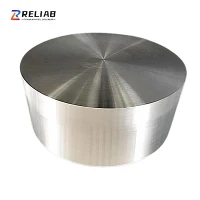
In the dynamic landscape of industrial materials, Grade 3 pure titanium plate stands out as a remarkable product with a wide range of applications and evolving market trends. As a supplier of Grade 3 pure titanium plate, I am deeply involved in this sector and have witnessed firsthand the shifts and developments that shape the market. In this blog, I will explore the current market trends for Grade 3 pure titanium plate, shedding light on the factors driving demand, emerging applications, and the competitive landscape.
Understanding Grade 3 Pure Titanium Plate
Grade 3 pure titanium plate is a high - quality material known for its excellent corrosion resistance, high strength - to - weight ratio, and biocompatibility. It contains a minimum of 99.2% titanium and has a relatively low amount of interstitial elements such as oxygen, nitrogen, and carbon. These properties make it suitable for a variety of industries, including aerospace, medical, chemical processing, and marine.
Market Demand Drivers
Aerospace Industry
The aerospace industry is one of the major consumers of Grade 3 pure titanium plate. With the continuous growth of the global aviation market, there is an increasing demand for lightweight and high - strength materials to improve fuel efficiency and reduce emissions. Titanium's ability to withstand high temperatures and corrosive environments makes it an ideal choice for aircraft components such as airframes, engine parts, and landing gear. As airlines expand their fleets and manufacturers develop more advanced aircraft models, the demand for Grade 3 pure titanium plate in the aerospace sector is expected to remain strong.
Medical Applications
In the medical field, Grade 3 pure titanium plate is highly valued for its biocompatibility. It is used in a variety of medical devices, including orthopedic implants, dental implants, and surgical instruments. The aging population and the increasing prevalence of chronic diseases are driving the demand for medical treatments and implants. Titanium's non - toxic nature and ability to integrate with human tissue make it a preferred material for long - term medical applications. As medical technology continues to advance, the demand for high - quality titanium plates in the medical industry is likely to grow.
Chemical Processing
The chemical processing industry requires materials that can resist corrosion from harsh chemicals. Grade 3 pure titanium plate offers excellent resistance to a wide range of corrosive substances, including acids, alkalis, and salts. It is used in chemical reactors, heat exchangers, and piping systems. With the expansion of the chemical industry, especially in emerging economies, the demand for corrosion - resistant materials like Grade 3 pure titanium plate is on the rise.
Emerging Applications
Marine and Offshore
The marine and offshore industries are increasingly turning to Grade 3 pure titanium plate for its corrosion resistance in seawater. It is used in shipbuilding, offshore platforms, and desalination plants. As the demand for offshore oil and gas exploration and production continues, and there is a growing focus on sustainable desalination solutions, the use of titanium plates in these sectors is expected to increase.
Consumer Goods
In recent years, there has been a growing trend of using titanium in consumer goods. CP2 Titanium Plate ASTM B265 is sometimes used in high - end watches, jewelry, and sports equipment. Titanium's unique combination of strength, lightness, and aesthetic appeal makes it an attractive material for these products. As consumers become more aware of the benefits of titanium and their purchasing power increases, the market for titanium in consumer goods is likely to expand.
Energy Storage
The development of the energy storage industry, particularly in the field of batteries, presents new opportunities for Grade 3 pure titanium plate. Titanium can be used in battery components due to its stability and conductivity. With the global push towards renewable energy and the need for efficient energy storage solutions, the demand for titanium in this emerging sector is expected to grow.
Competitive Landscape
The market for Grade 3 pure titanium plate is highly competitive. There are several established suppliers in the market, each with its own strengths and market share. Some suppliers focus on large - scale production for industrial applications, while others specialize in high - precision and customized products for niche markets.


To stay competitive, suppliers need to continuously invest in research and development to improve product quality and manufacturing processes. They also need to provide excellent customer service, including timely delivery, technical support, and competitive pricing. In addition, environmental and sustainability concerns are becoming increasingly important in the market. Suppliers that can demonstrate environmentally friendly production methods and sustainable sourcing of raw materials will have a competitive edge.
Challenges in the Market
Despite the positive market trends, there are also some challenges facing the Grade 3 pure titanium plate market. One of the main challenges is the high cost of production. Titanium extraction and processing are complex and energy - intensive processes, which result in relatively high prices compared to other metals. This can limit the widespread adoption of titanium plates, especially in price - sensitive markets.
Another challenge is the limited availability of raw materials. Titanium ore reserves are not evenly distributed around the world, and geopolitical factors can affect the supply chain. Suppliers need to carefully manage their raw material sourcing to ensure a stable supply of high - quality titanium.
Future Outlook
Looking ahead, the market for Grade 3 pure titanium plate is expected to continue to grow. The increasing demand from key industries such as aerospace, medical, and chemical processing, combined with emerging applications in consumer goods, energy storage, and marine, will drive the market expansion.
However, to fully realize the potential of this market, the industry needs to address the challenges of high production costs and raw material availability. Technological advancements in titanium extraction and processing may help to reduce costs in the long run. Moreover, efforts to develop alternative raw material sources and improve recycling rates will contribute to a more sustainable supply chain.
Conclusion
As a supplier of Grade 3 pure titanium plate, I am excited about the future prospects of this market. The diverse applications and growing demand across multiple industries present significant opportunities for growth. We are committed to providing high - quality products that meet the evolving needs of our customers.
If you are interested in purchasing Grade 3 pure titanium plate for your specific application, I encourage you to reach out to us for a detailed discussion. Our team of experts can provide you with technical advice, customized solutions, and competitive pricing. Whether you are in the aerospace, medical, chemical, or any other industry, we are here to support your business with the best titanium plate products.
References
- ASM International. "Titanium and Titanium Alloys." Handbook of Engineering Materials.
- International Titanium Association. "Market Trends and Outlook for Titanium." Annual Report.
- Industry reports from market research firms such as Frost & Sullivan and MarketsandMarkets on the titanium market.