

As a supplier of TI6AL4V Titanium Alloy Plates, I often get asked about the thermal conductivity of these plates. Thermal conductivity is a crucial property, especially in applications where heat transfer is a significant factor. In this blog, I'll delve into the thermal conductivity of TI6AL4V Titanium Alloy Plates, its implications, and how it relates to various industries.
Understanding Thermal Conductivity
Thermal conductivity is a measure of a material's ability to conduct heat. It is defined as the quantity of heat (in watts) transmitted through a unit thickness (in meters) of a material in a direction normal to a surface of unit area (in square meters) due to a unit temperature gradient (in kelvins per meter) under steady-state conditions. In simpler terms, it tells us how quickly heat can pass through a material.
The thermal conductivity of a material is influenced by several factors, including its chemical composition, crystal structure, and temperature. Different materials have different thermal conductivities, which is why some are used for insulation (low thermal conductivity) while others are used for heat transfer applications (high thermal conductivity).
Thermal Conductivity of TI6AL4V Titanium Alloy Plates
TI6AL4V, also known as Grade 5 titanium alloy, is one of the most widely used titanium alloys. It consists of approximately 6% aluminum, 4% vanadium, and the rest is titanium. This alloy is known for its high strength, excellent corrosion resistance, and good weldability.
The thermal conductivity of TI6AL4V Titanium Alloy Plates is relatively low compared to some other metals. At room temperature (around 20°C or 293K), the thermal conductivity of TI6AL4V is approximately 7.2 W/(m·K). To put this into perspective, the thermal conductivity of copper, a metal known for its excellent heat transfer properties, is around 401 W/(m·K), while that of aluminum is about 237 W/(m·K).
The low thermal conductivity of TI6AL4V can be attributed to its complex crystal structure and the presence of alloying elements. The addition of aluminum and vanadium changes the electronic and atomic structure of the titanium, which in turn affects the way heat is transferred through the material.
Implications of Low Thermal Conductivity
The low thermal conductivity of TI6AL4V Titanium Alloy Plates has both advantages and disadvantages, depending on the application.
Advantages
- Thermal Insulation: In applications where thermal insulation is required, the low thermal conductivity of TI6AL4V can be beneficial. For example, in aerospace applications, TI6AL4V components can help reduce heat transfer between different parts of an aircraft, improving energy efficiency and reducing the need for additional insulation materials.
- Heat Retention: In some cases, it may be desirable to retain heat within a system. The low thermal conductivity of TI6AL4V allows it to hold onto heat, which can be useful in applications such as high-temperature furnaces or thermal storage devices.
- Reduced Thermal Stress: When a material is exposed to rapid temperature changes, thermal stress can occur, which can lead to cracking or failure. The low thermal conductivity of TI6AL4V helps to reduce the rate of heat transfer, minimizing thermal stress and improving the material's durability.
Disadvantages
- Slow Heat Transfer: In applications where efficient heat transfer is crucial, the low thermal conductivity of TI6AL4V can be a limitation. For example, in heat exchangers or cooling systems, materials with higher thermal conductivity are typically preferred to ensure rapid and effective heat transfer.
- Higher Energy Consumption: In processes that involve heating or cooling TI6AL4V components, the low thermal conductivity can result in longer heating or cooling times, which may lead to higher energy consumption.
Applications of TI6AL4V Titanium Alloy Plates Based on Thermal Conductivity
Despite its relatively low thermal conductivity, TI6AL4V Titanium Alloy Plates are used in a wide range of applications across various industries.
Aerospace Industry
In the aerospace industry, TI6AL4V is used for a variety of components, including aircraft frames, engine parts, and landing gear. The low thermal conductivity of the alloy helps to protect sensitive components from excessive heat, while its high strength and corrosion resistance ensure the reliability and safety of the aircraft.
Medical Industry
TI6AL4V is also widely used in the medical industry for implants such as hip and knee replacements, dental implants, and bone plates. The low thermal conductivity of the alloy is beneficial in this context as it helps to minimize heat transfer to surrounding tissues during surgical procedures.
Marine Industry
In the marine industry, TI6AL4V is used for components such as propeller shafts, valves, and fittings. The alloy's low thermal conductivity and excellent corrosion resistance make it suitable for use in harsh marine environments.
Industrial Applications
TI6AL4V Titanium Alloy Plates are also used in various industrial applications, including chemical processing, power generation, and automotive manufacturing. In these applications, the alloy's properties, including its thermal conductivity, are carefully considered to ensure optimal performance.
Our TI6AL4V Titanium Alloy Plates
As a supplier of TI6AL4V Titanium Alloy Plates, we offer high-quality products that meet the strictest industry standards. Our plates are available in a variety of sizes and thicknesses to suit different applications.

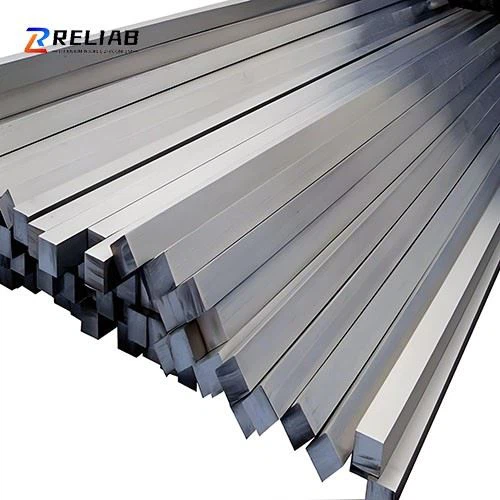
We understand the importance of thermal conductivity in many of our customers' applications, and we work closely with them to ensure that our products meet their specific requirements. Whether you need plates for aerospace, medical, marine, or industrial applications, we have the expertise and resources to provide you with the right solution.
If you're interested in learning more about our Best Titanium Cutting Boards, Titanium Alloy Narrow Strip, or Titanium Cutting Board For Kitchen, please don't hesitate to contact us. We're here to answer your questions and help you find the best products for your needs.
Conclusion
The thermal conductivity of TI6AL4V Titanium Alloy Plates is an important property that influences its performance in various applications. While its low thermal conductivity may be a limitation in some cases, it also offers several advantages, such as thermal insulation and reduced thermal stress.
As a supplier of TI6AL4V Titanium Alloy Plates, we're committed to providing our customers with high-quality products and excellent service. If you're in the market for TI6AL4V plates, we invite you to contact us to discuss your requirements and explore how our products can meet your needs. We look forward to the opportunity to work with you and help you achieve your goals.
References
- ASM Handbook, Volume 2: Properties and Selection: Nonferrous Alloys and Special-Purpose Materials, ASM International.
- Titanium: A Technical Guide, Second Edition, John R. Davis (Editor), ASM International.
- "Thermal Conductivity of Metals and Alloys," CRC Handbook of Chemistry and Physics, 97th Edition, David R. Lide (Editor).


