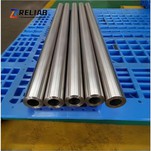
As the global energy transition accelerates, titanium materials-thanks to their irreplaceable combination of properties, including corrosion resistance, high strength, light weight, and non-magnetic characteristics-are rapidly expanding from traditional sectors such as chemicals and aerospace into all energy sectors, including oil and gas, nuclear power, solar energy, hydrogen energy, and wind energy. They have become a key strategic material for ensuring the long-term reliable operation of energy equipment and supporting the green transition of the energy industry.
I. Applications of Titanium in Battery Materials
Nickel-metal hydride batteries, which are rechargeable batteries with excellent performance, use hydrogen-storage alloys as their anode active material. Due to its excellent reversible hydrogen absorption and desorption properties at high temperatures, titanium has become an ideal raw material for hydrogen-storage alloys. Furthermore, titanium shows great promise in the fields of lithium-ion batteries, solar cells, and lead-acid batteries. As research in these areas continues to deepen, it is expected to provide critical material support for next-generation high-efficiency energy storage devices.
II. Applications of Titanium in Geothermal Development
Geothermal energy encompasses various forms, including dry steam, wet steam, geothermal water, and latent heat from hot dry rocks. However, geothermal fluids often contain high concentrations of corrosive substances that carbon steel, stainless steel, and even copper alloys struggle to withstand over the long term; only titanium demonstrates exceptional resistance. Using titanium to manufacture condensers, steam turbines, pump housings, and piping systems not only significantly improves heat extraction efficiency but also substantially extends the service life of geothermal wells, thereby reducing the overall costs associated with frequent equipment replacement.
III. Applications of Titanium in the Power Industry
In the fields of thermal and nuclear power generation, the service life of titanium condensers and heat exchangers can reach 40 years-four times that of aluminum-brass tubes and ten times that of copper-nickel alloy tubes. Although the initial investment in titanium is higher, its extremely low operating and maintenance costs significantly reduce the total cost of ownership over the entire life cycle. It is now widely used in coastal and riverine power plants as well as nuclear power units, serving as a key means of enhancing the reliability and economic efficiency of power generation facilities.
IV. Applications of Titanium in Oil and Gas Exploration and Development
Valves, nozzles, pipelines, and downhole string components used in onshore and offshore oil and gas drilling are often exposed to sulfur-containing gases (hydrogen sulfide) and high-temperature brine environments. While other metallic materials are prone to stress corrosion cracking or embrittlement, only titanium can withstand harsh corrosive conditions at temperatures as high as 300°C. Consequently, titanium has become the material of choice for manufacturing drill pipes, blowout preventers, and offshore drilling equipment, effectively ensuring operational safety and equipment longevity under complex operating conditions.
Conclusion:
From battery energy storage to geothermal extraction, and from power plants to oil and gas wells, titanium is playing an increasingly important role in all stages of energy production and conversion thanks to its unique comprehensive properties. As the transition to green energy accelerates, the depth and breadth of titanium's applications will continue to expand. In the future, further reductions in the cost of titanium materials and optimizations in processing techniques will help drive their large-scale application across a broader range of energy scenarios, making a key contribution to building a clean, efficient, and sustainable energy system for humanity.
Overall, given the energy industry's trend toward "high efficiency, environmental sustainability, and safety," titanium materials will become the key core materials that underpin the upgrading of energy equipment and ensure the stable operation of the energy sector. With continuous advances in processing technologies and ongoing reductions in industrial costs, titanium materials will evolve from "optional alternative materials" to "irreplaceable core materials" in an increasing number of energy industry applications, providing solid support for the global energy transition. Meanwhile, the advantages of China's titanium industry's full-chain industrial layout will be fully realized during this process, driving the industry toward high-quality development.


 E-mail: garychen3215@hotmail.com
 Address: No.35, Baoti Rd, Baoji city, Shaanxi Province, China
 Contact: Mr. Gary Chen
 Phone: +86-917-8883215
 Mobile/WhatsApp: +86 13092900605