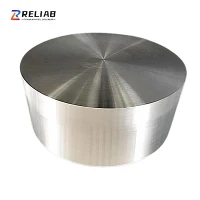
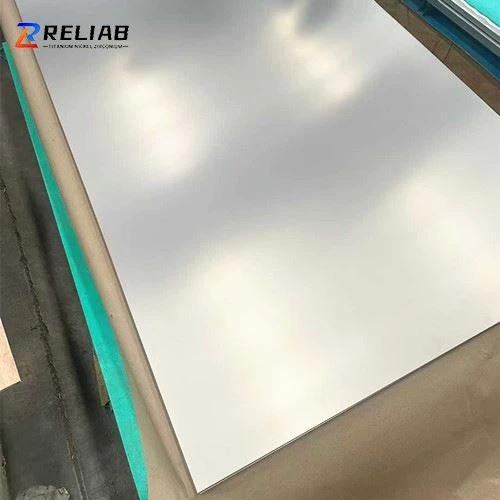
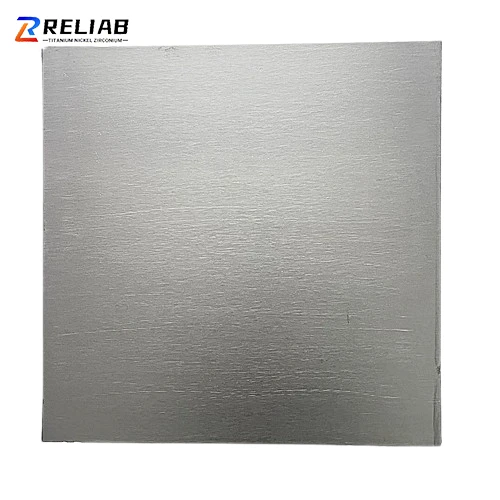
Hey there! As a supplier of TI6AL4V Titanium Alloy Plates, I often get asked if these plates can be used in chemical processing plants. Well, let's dive right into it and find out.
First off, let's talk a bit about what TI6AL4V titanium alloy is. TI6AL4V, also known as Grade 5 titanium, is one of the most widely used titanium alloys out there. It's an alpha-beta alloy that contains 6% aluminum and 4% vanadium. This combination gives it some really awesome properties. It's strong, lightweight, and has excellent corrosion resistance. These features make it a top - choice in many industries, but what about chemical processing plants?
In chemical processing plants, the environment is pretty harsh. You've got all sorts of chemicals, high temperatures, and sometimes high pressures. So, the materials used need to be able to withstand these conditions without breaking down or corroding.
One of the biggest advantages of TI6AL4V titanium alloy plates in chemical processing is their corrosion resistance. Titanium forms a passive oxide layer on its surface when exposed to oxygen. This layer acts as a protective shield, preventing the metal from reacting with most chemicals. For example, in environments with acids like sulfuric acid or hydrochloric acid, TI6AL4V can resist corrosion to a certain extent. Of course, the concentration and temperature of the acid matter. In dilute solutions at moderate temperatures, TI6AL4V plates can last a long time.
Another plus is its strength - to - weight ratio. In chemical processing plants, equipment needs to be sturdy but also not overly heavy. TI6AL4V titanium alloy plates are strong enough to handle the mechanical stresses that come with the operation of chemical processes, like the pressure from flowing chemicals or the weight of the equipment itself. And because they're lightweight, they can make the overall design of the plant more efficient.
However, it's not all sunshine and rainbows. There are some limitations to using TI6AL4V titanium alloy plates in chemical processing plants. For instance, in environments with fluoride - containing chemicals, titanium can be quite reactive. Fluoride ions can break down the protective oxide layer, leading to corrosion. So, if your chemical process involves fluoride - based compounds, you might need to think twice before using TI6AL4V.
Also, the cost is a factor. Titanium is generally more expensive than other common metals like steel. The production process of TI6AL4V titanium alloy plates is complex, which drives up the price. This might be a deterrent for some chemical processing plants, especially those on a tight budget.
Now, let's compare TI6AL4V with some other titanium products we offer. We also have CP2 Titanium Plate ASTM B265. CP2 is a commercially pure titanium. It has excellent corrosion resistance, especially in oxidizing environments. But it's not as strong as TI6AL4V. So, if your chemical process requires a material with high strength and good corrosion resistance, TI6AL4V might be a better choice.
On the other hand, AMS 4907 Titanium Alloy Sheet is another option. It has different mechanical and chemical properties compared to TI6AL4V. AMS 4907 is often used in aerospace applications, but it can also be considered for chemical processing depending on the specific requirements.
In many real - world scenarios, TI6AL4V titanium alloy plates have been successfully used in chemical processing plants. For example, in the production of certain pharmaceuticals, where the purity of the chemicals is crucial, TI6AL4V can be used to prevent contamination. Its corrosion resistance ensures that no metal ions are released into the chemical products.
In the petrochemical industry, TI6AL4V plates can be used in heat exchangers. Heat exchangers are used to transfer heat between different chemical streams. The high thermal conductivity of titanium, combined with its corrosion resistance, makes it a great material for this application.
If you're in the chemical processing industry and you're thinking about using TI6AL4V titanium alloy plates, here are some things to consider. First, analyze your chemical process thoroughly. Know what chemicals are involved, their concentrations, temperatures, and pressures. This will help you determine if TI6AL4V is the right fit.
Second, talk to a materials expert. We're here to help! As a supplier of TI6AL4V Titanium Alloy Plates, we have a lot of experience and knowledge about these products. We can provide you with detailed information and advice based on your specific needs.
In conclusion, TI6AL4V titanium alloy plates can definitely be used in chemical processing plants in many cases. Their corrosion resistance, strength, and other properties make them a viable option. But you need to carefully evaluate your specific requirements and the limitations of the material.
If you're interested in learning more about TI6AL4V titanium alloy plates or are considering a purchase, don't hesitate to reach out. We're always ready to have a chat and discuss how our products can meet your needs in the chemical processing industry.
References:
- "Titanium and Titanium Alloys: Fundamentals and Applications" by John C. Williams
- "Corrosion Resistance of Titanium Alloys in Chemical Environments" - Journal of Materials Science and Engineering