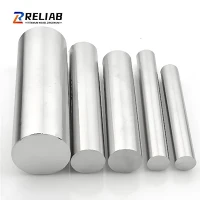
Can titanium plates be used in jewelry making? Well, you bet they can! As a titanium plate supplier, I've seen firsthand the growing interest in using titanium plates for creating stunning pieces of jewelry. In this blog, I'll dive into the ins and outs of using titanium plates in jewelry making, including the benefits, challenges, and some tips for getting started.
Let's start with the basics. Titanium is a remarkable metal. It's lightweight, incredibly strong, and highly resistant to corrosion. These properties make it an ideal candidate for jewelry. Unlike some other metals, titanium doesn't tarnish easily, so your jewelry will keep its shine for a long time. And because it's so strong, it can withstand the wear and tear of daily use without losing its shape.
One of the biggest advantages of using titanium plates in jewelry making is the versatility they offer. Titanium can be easily shaped and formed into a variety of designs. Whether you're looking to create a simple, minimalist pendant or a complex, intricate bracelet, titanium plates can be cut, bent, and welded to bring your vision to life. You can also use different techniques to add texture and pattern to the surface of the titanium, giving your jewelry a unique and personalized look.
Another great thing about titanium is its hypoallergenic nature. Many people have allergies to certain metals, such as nickel, which can cause skin irritation and rashes. Titanium, on the other hand, is biocompatible, meaning it's safe for people with sensitive skin to wear. This makes it a popular choice for jewelry, especially for those who want to avoid any potential allergic reactions.
Now, let's talk about the challenges of using titanium plates in jewelry making. One of the main challenges is working with the metal itself. Titanium is a very hard metal, which means it can be difficult to cut and shape. You'll need to use specialized tools and techniques to work with titanium plates effectively. For example, you might need to use a high-speed grinder or a laser cutter to cut the titanium to the desired shape. Welding titanium also requires some skill and experience, as it has a high melting point and can be prone to oxidation if not welded properly.
Another challenge is the color of titanium. Unlike some other metals, titanium doesn't have a natural, shiny color. Instead, it has a dull, grayish appearance. However, there are ways to add color to titanium jewelry. One popular method is anodizing, which involves using an electrical current to create a thin oxide layer on the surface of the titanium. This oxide layer can be made to reflect different colors, depending on the thickness of the layer. Anodizing allows you to create a wide range of colors, from bright blues and greens to deep purples and reds.
If you're interested in using titanium plates for jewelry making, here are some tips to get you started. First, make sure you have the right tools and equipment. As I mentioned earlier, working with titanium requires specialized tools, so invest in good quality tools that are designed for working with hard metals. You'll also need a well-ventilated workspace, as some of the processes involved in working with titanium, such as grinding and welding, can produce fumes and dust.
Second, practice your skills. Working with titanium takes time and practice to master. Start with simple projects and gradually work your way up to more complex designs. You can find plenty of tutorials and resources online to help you learn different techniques for working with titanium.


Third, source high-quality titanium plates. As a titanium plate supplier, I know how important it is to use high-quality materials in jewelry making. Look for titanium plates that are made from pure titanium or a high-quality titanium alloy. You can find a variety of titanium plates on our website, including 10mm Titanium Plate Sheet, Titanium Thin Sheet for Heat Exchanger, and Titanium Alloy Narrow Strip.
In conclusion, titanium plates can definitely be used in jewelry making. They offer a range of benefits, including strength, lightweight, corrosion resistance, and hypoallergenic properties. While there are some challenges involved in working with titanium, with the right tools, skills, and materials, you can create beautiful and unique pieces of jewelry. If you're interested in using titanium plates for your jewelry making projects, I encourage you to get in touch with us to discuss your requirements. We're here to help you find the right titanium plates for your needs and provide you with any support or advice you might need.
References
- "Titanium in Jewelry: Properties and Applications." Jewelry Making Magazine.
- "Working with Titanium: A Guide for Jewelry Makers." Metal Arts Press.