

As a supplier of Titanium Timascus Bars, I often encounter questions from customers regarding the maintenance and care of these high - quality products. One frequent concern is the possibility of rust on Titanium Timascus Bars and how to deal with it. In this blog, I'll share some insights based on my experience in the industry.
Understanding Titanium Timascus Bars
Titanium Timascus is a remarkable material known for its exceptional strength, corrosion resistance, and aesthetic appeal. It is a combination of different titanium alloys, which are carefully layered and forged to create a unique pattern similar to Damascus steel. This material is widely used in various industries, including aerospace, medical, and high - end jewelry, due to its outstanding properties.

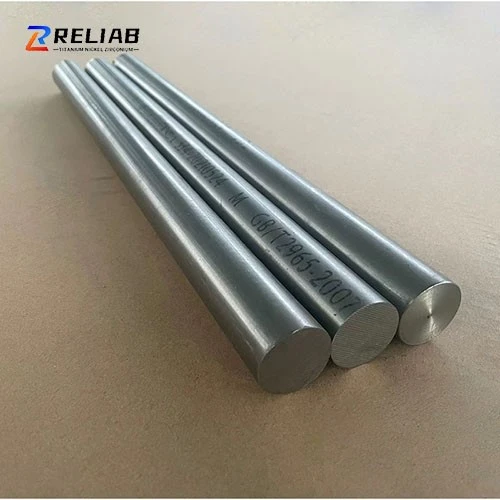
Titanium itself is highly resistant to corrosion because it forms a thin, protective oxide layer on its surface when exposed to oxygen. This oxide layer acts as a barrier, preventing further oxidation and corrosion. However, under certain extreme conditions, there might be some issues that could be misinterpreted as rust.
What is "Rust" on Titanium Timascus Bars?
Technically, titanium does not rust in the same way as iron - based metals. Rust is a term commonly used to describe the oxidation of iron, which results in the formation of iron oxide. When people refer to "rust" on titanium, they usually mean discoloration or surface degradation that can occur in some circumstances.
These discolorations can be caused by several factors:
- Chemical Exposure: Contact with certain chemicals, such as strong acids or alkalis, can damage the protective oxide layer on the titanium surface. For example, if a Titanium Timascus Bar is exposed to hydrochloric acid, it can react with the titanium, leading to surface discoloration.
- High - Temperature Oxidation: At extremely high temperatures, the titanium can react with oxygen more vigorously, causing the formation of thicker oxide layers that may appear as discolored patches. This is often seen in industrial processes where the bars are subjected to high - heat treatments without proper protection.
- Contamination: If the bar comes into contact with foreign substances, such as dirt, oil, or other metals, it can create an environment where local corrosion can occur. For instance, if a Titanium Timascus Bar is stored in a dirty environment and moisture is present, the contaminants can act as catalysts for surface reactions.
Dealing with Surface Discoloration
If you notice any signs of discoloration on your Titanium Timascus Bar, here are some steps you can take:
1. Cleaning
The first step is to clean the bar thoroughly. Use a mild detergent and warm water to remove any dirt or contaminants on the surface. Gently scrub the bar with a soft brush, such as a toothbrush, to avoid scratching the surface. Rinse the bar well with clean water and dry it with a soft, lint - free cloth.
For more stubborn stains, you can use a non - abrasive cleaner specifically designed for titanium. These cleaners are formulated to remove dirt and discoloration without damaging the protective oxide layer. Apply the cleaner according to the manufacturer's instructions, and then rinse and dry the bar as before.
2. Polishing
If the discoloration persists after cleaning, you can try polishing the bar. Use a fine - grit polishing compound and a soft polishing cloth. Start with a low - pressure, circular motion to gently buff the surface. As you polish, check the bar regularly to avoid over - polishing, which can remove too much of the surface material.
There are also commercial titanium polishes available that can be more effective in restoring the bar's original shine. These polishes are designed to work on titanium surfaces and can often remove light discoloration and scratches.
3. Re - Passivation
In some cases, after cleaning and polishing, it may be necessary to re - passivate the titanium surface. Re - passivation involves treating the bar with a solution that helps to restore and strengthen the protective oxide layer. A common re - passivation solution is a mixture of nitric acid and water. However, this process should be carried out with extreme caution as nitric acid is a strong and dangerous chemical.
It is recommended to follow strict safety procedures and consult with a professional if you are not experienced in handling such chemicals. After re - passivation, the bar should be rinsed thoroughly with water to remove any traces of the solution and dried completely.
Preventing Surface Issues
Prevention is always better than cure when it comes to maintaining the quality of Titanium Timascus Bars. Here are some preventive measures you can take:
- Proper Storage: Store the bars in a clean, dry environment. Avoid storing them in areas with high humidity or where they can come into contact with chemicals or other contaminants. If possible, store the bars in a protective case or wrapping to prevent scratches and exposure to the elements.
- Handling with Care: When handling the bars, wear clean gloves to prevent transferring oils and dirt from your hands to the surface. Use appropriate tools when working with the bars to avoid scratching or damaging them.
- Regular Inspection: Conduct regular inspections of the bars to detect any early signs of discoloration or damage. Early detection allows you to take action before the problem becomes more severe.
Related Titanium Products
If you are interested in other titanium products, we also offer a wide range of options. For example, we have Ti - 3AI - 2.5V Alloy Rod and Bar, which is known for its excellent weldability and formability. It is widely used in applications such as aircraft hydraulic systems.
Another popular product is the Gr5 ELI Medical Titanium Alloy Bar. This alloy is specifically designed for medical applications due to its high strength, low modulus of elasticity, and excellent biocompatibility. It is commonly used in dental implants, orthopedic devices, and other medical equipment.
We also provide Dental Implant Titanium Bars, which are made from high - quality titanium alloys to ensure long - term stability and performance in dental applications.
Contact for Purchase and Discussion
If you have any questions about Titanium Timascus Bars or any of our other titanium products, or if you are interested in making a purchase, please feel free to contact us. Our team of experts is ready to assist you with all your titanium needs, from product selection to technical support.
References
- ASM Handbook Volume 2: Properties and Selection: Nonferrous Alloys and Special - Purpose Materials.
- Titanium: A Technical Guide, Second Edition by John C. Williams.


