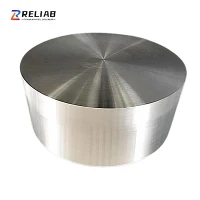
Handling a Titanium Timascus Plate to avoid damage is a crucial skill for anyone involved in the procurement, storage, or usage of these high - quality materials. As a supplier of Titanium Timascus Plates, I understand the importance of ensuring that these products reach our customers in pristine condition and that they can handle them properly once they have them.
Understanding Titanium Timascus Plates
Titanium Timascus is a remarkable material known for its strength, corrosion resistance, and unique aesthetic appeal. It is often used in high - end applications such as aerospace components, luxury watches, and high - performance knives. The combination of different titanium alloys creates a visually stunning pattern similar to Damascus steel, but with the superior properties of titanium.
Before delving into the handling techniques, it's essential to understand the structure and characteristics of Titanium Timascus Plates. The plates are usually made by bonding multiple layers of different titanium alloys together through a complex process. This results in a plate with a distinct pattern and enhanced mechanical properties. However, this also means that the plate can be vulnerable to certain types of damage if not handled correctly.
Pre - handling Preparations
Inspection upon Receipt
When you receive a Titanium Timascus Plate from us, the first step is to conduct a thorough inspection. Check for any visible signs of damage such as scratches, dents, or cracks. If you notice any issues, contact us immediately. We have a strict quality control process, but during transportation, unforeseen circumstances can occur. By inspecting the plate right away, you can ensure that any problems are addressed promptly.

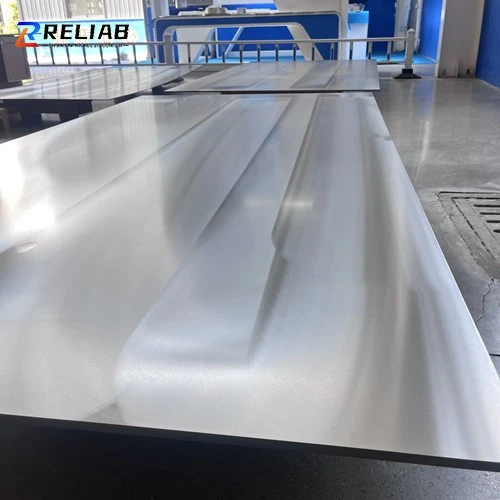
Cleaning the Work Area
Before handling the plate, clean the work area thoroughly. Remove any debris, dust, or sharp objects that could potentially scratch or damage the plate. A clean work surface is essential for safe and proper handling. You can use a soft cloth and a mild cleaning solution to wipe down the workbench. Make sure the surface is dry before placing the plate on it.
Handling Techniques
Using Proper Lifting Equipment
Titanium Timascus Plates can be heavy, especially larger sizes. When lifting the plate, use appropriate lifting equipment such as forklifts or hoists. Ensure that the lifting equipment is in good working condition and that the operators are trained. If you are lifting the plate manually, use proper lifting techniques. Bend your knees, keep your back straight, and lift with your legs rather than your back. This not only protects you from injury but also reduces the risk of dropping the plate and causing damage.
Avoiding Direct Contact with Bare Hands
Your hands can leave oils and moisture on the Titanium Timascus Plate, which can lead to corrosion over time. Always wear clean, dry gloves when handling the plate. Nitrile or latex gloves are a good choice as they provide a barrier between your hands and the plate. If you need to mark the plate, use a non - abrasive marker that won't damage the surface.
Minimizing Surface Contact
When moving the plate, try to minimize the surface contact with other objects. Use soft pads or cushions under the plate to prevent scratches. If you need to stack multiple plates, place a soft material such as felt or foam between each plate. This will prevent the plates from rubbing against each other and causing damage.
Storage Considerations
Choosing the Right Storage Location
Store the Titanium Timascus Plates in a dry, clean, and well - ventilated area. Avoid storing the plates in areas with high humidity or where they can be exposed to chemicals or corrosive substances. A climate - controlled storage facility is ideal as it can maintain a stable environment for the plates.
Proper Stacking
When stacking the plates, make sure the stack is stable. Place the plates on a flat and level surface. Stack the plates in an orderly manner, and avoid over - stacking. If the stack is too high, it can become unstable and increase the risk of the plates falling and getting damaged. You can use spacers or supports between the plates to ensure even weight distribution.
Machining and Fabrication
Selecting the Right Tools
If you need to machine or fabricate the Titanium Timascus Plate, choose the right tools. Use sharp cutting tools made from high - speed steel or carbide. Dull tools can cause excessive heat and friction, which can damage the plate. Make sure the tools are properly maintained and sharpened regularly.
Controlling Cutting Parameters
During machining, control the cutting parameters such as cutting speed, feed rate, and depth of cut. High cutting speeds can generate a lot of heat, which can affect the properties of the Titanium Timascus Plate. Follow the recommended cutting parameters for titanium alloys to ensure a smooth and damage - free machining process.
Avoiding Chemical Damage
Cleaning Agents
When cleaning the Titanium Timascus Plate, use only mild cleaning agents. Avoid using harsh chemicals such as acids or alkalis as they can corrode the plate. A simple solution of water and mild soap is usually sufficient for cleaning. After cleaning, rinse the plate thoroughly with clean water and dry it with a soft cloth.
Exposure to Chemicals
Be careful to avoid exposing the plate to chemicals during normal use. If the plate comes into contact with chemicals, rinse it immediately with water and dry it. If you are working in an environment where chemicals are present, take appropriate precautions to protect the plate.
Post - handling Care
Regular Inspections
Even after handling and using the Titanium Timascus Plate, conduct regular inspections. Check for any signs of wear, corrosion, or damage. Early detection of problems can prevent further damage and extend the lifespan of the plate.
Maintenance
If you notice any minor scratches or blemishes on the plate, you can use a fine - grit sandpaper to gently buff out the imperfections. However, be careful not to over - sand the plate as this can damage the surface. For more serious damage, contact us for advice on repair or replacement.
Conclusion
Handling a Titanium Timascus Plate to avoid damage requires a combination of proper techniques, careful preparation, and regular maintenance. As a supplier, we are committed to providing you with high - quality Titanium Timascus Plates and the knowledge to handle them correctly. If you have any questions or need further information, please feel free to contact us for procurement and further discussions.
We offer a wide range of Titanium Timascus Plates, as well as other related products such as 10mm Titanium Plate Sheet, ASTM F136 Ti6AL4V ELI Titanium Sheets, and Titanium Plate Strip. Our team of experts is always ready to assist you in finding the right products for your needs.
References
- "Titanium Alloys: Properties, Processing, and Applications" by John C. Williams
- "Machining of Titanium Alloys" by Y. Altintas and A. Budak