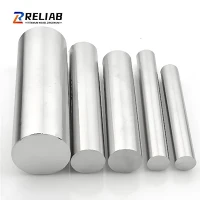
In the highly competitive market of high - end scooter bars, cost is a crucial factor that both suppliers and customers take into account. As a supplier of Grade 9 Titanium Scooter Bars, I am well - versed in the cost dynamics of different high - end scooter bars and how our product compares.
Understanding Grade 9 Titanium Scooter Bars
Grade 9 titanium, also known as Ti - 3Al - 2.5V, is a lightweight and high - strength titanium alloy. Its unique properties make it an excellent choice for scooter bars. The alloy offers a good balance between strength and ductility, which is essential for withstanding the stresses and impacts that scooter bars encounter during use.
The production process of Grade 9 Titanium Scooter Bars involves several steps, including melting, forging, and machining. Each step requires specialized equipment and skilled labor, which contribute to the overall cost. However, the long - term benefits of using Grade 9 titanium, such as its corrosion resistance and high fatigue life, often justify the initial investment.
Cost Comparison with Other High - End Scooter Bars
1. Stainless Steel Scooter Bars
Stainless steel is a commonly used material for high - end scooter bars. It is known for its durability and relatively low cost compared to titanium. The cost of stainless steel is generally lower because the raw material is more abundant and the production processes are more established.
However, when it comes to performance, stainless steel scooter bars may not be on par with Grade 9 Titanium Scooter Bars. Stainless steel is heavier, which can affect the maneuverability of the scooter. In addition, while stainless steel has good corrosion resistance, it is not as resistant as Grade 9 titanium in harsh environments.
In terms of cost, a basic stainless steel scooter bar may cost around $50 - $100, depending on the brand and quality. In contrast, a Grade 9 Titanium Scooter Bar can cost anywhere from $150 - $300. The higher price of the titanium bar is due to the cost of the raw material and the more complex manufacturing processes.
2. Carbon Fiber Scooter Bars
Carbon fiber is another popular choice for high - end scooter bars. It is extremely lightweight and offers high strength - to - weight ratio. Carbon fiber scooter bars can significantly improve the performance of a scooter by reducing its weight and increasing its stiffness.
The cost of carbon fiber scooter bars is highly variable. Entry - level carbon fiber bars can cost around $100 - $200, while high - end, custom - made carbon fiber bars can cost upwards of $500. The production of carbon fiber involves complex molding and curing processes, which can be expensive.
Compared to Grade 9 Titanium Scooter Bars, carbon fiber bars may be more expensive in the high - end segment. However, carbon fiber is more brittle than titanium and may be more prone to damage from impacts. Grade 9 titanium, on the other hand, can absorb more energy before failure, making it a more reliable choice in some situations.
3. Other Titanium Alloy Scooter Bars
There are other titanium alloys that can be used for scooter bars, such as Grade 23 Medical Titanium Bars and Dental Implant Titanium Bars. Grade 23 titanium, also known as Ti - 6Al - 4V ELI, is a high - strength alloy commonly used in medical applications. ASTM F136 TI6AL4V ELI Titanium Bar is also a well - known titanium alloy.
These alloys are generally more expensive than Grade 9 titanium. The reason is that they require more precise control during the production process to meet the strict quality standards of medical and dental applications. For example, Grade 23 titanium has higher purity requirements and more stringent testing procedures.
A scooter bar made from Grade 23 titanium can cost $300 - $500 or more, which is significantly higher than the cost of a Grade 9 Titanium Scooter Bar. This price difference makes Grade 9 titanium a more cost - effective option for scooter manufacturers who want to use titanium without incurring excessive costs.
Factors Affecting the Cost of Grade 9 Titanium Scooter Bars
1. Raw Material Costs
The price of titanium is subject to market fluctuations. The cost of Grade 9 titanium depends on factors such as the global supply and demand, the cost of mining and refining, and geopolitical issues. When the demand for titanium increases in industries such as aerospace and medical, the price of raw titanium may rise, which in turn affects the cost of Grade 9 Titanium Scooter Bars.
2. Manufacturing Processes
As mentioned earlier, the production of Grade 9 Titanium Scooter Bars involves multiple steps. Each step requires specific equipment and expertise. For example, forging titanium requires high - temperature furnaces and specialized presses. Machining titanium is also more difficult than machining other materials due to its high strength and low thermal conductivity, which can increase the cost of labor and tooling.
3. Quality Control
To ensure the quality and performance of Grade 9 Titanium Scooter Bars, strict quality control measures are necessary. This includes non - destructive testing, such as ultrasonic testing and X - ray inspection, to detect any internal defects. Quality control also involves mechanical testing to verify the strength and ductility of the bars. These testing procedures add to the overall cost of production.
Why Choose Grade 9 Titanium Scooter Bars Despite the Cost
Although Grade 9 Titanium Scooter Bars are more expensive than some other high - end scooter bars, they offer several advantages that make them a worthwhile investment.


1. Performance
Grade 9 titanium provides excellent strength - to - weight ratio, which means that scooter bars made from this material can be both lightweight and strong. This improves the performance of the scooter, making it more maneuverable and easier to handle.
2. Durability
The corrosion resistance and high fatigue life of Grade 9 titanium ensure that the scooter bars will last longer. This reduces the need for frequent replacements, which can save costs in the long run.
3. Aesthetics
Titanium has a unique and attractive appearance. Grade 9 Titanium Scooter Bars can enhance the overall look of a scooter, making it more appealing to consumers.
Contact for Procurement
If you are interested in procuring Grade 9 Titanium Scooter Bars, I encourage you to reach out. We are committed to providing high - quality products at competitive prices. Our team of experts can assist you in choosing the right scooter bars for your specific needs. Whether you are a scooter manufacturer or a distributor, we are here to support your business.
References
- ASM Handbook Committee. (2000). ASM Handbook, Volume 2: Properties and Selection: Nonferrous Alloys and Special - Purpose Materials. ASM International.
- Schaffer, G. B., & Witsberger, R. A. (1996). Titanium Alloys: A Technical Guide. ASM International.