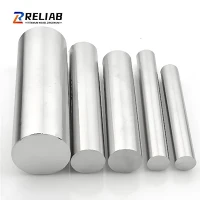
As a supplier of CP1 Titanium Exhuast Tubes, I understand the importance of maintaining these high - quality components. Proper cleaning not only ensures the longevity of the tubes but also guarantees their optimal performance. In this blog, I'll share some effective methods on how to clean the inside of CP1 Titanium Exhuast Tubes.
Understanding CP1 Titanium Exhuast Tubes
Before we dive into the cleaning process, it's essential to understand what CP1 Titanium Exhuast Tubes are. CP1 titanium is a commercially pure grade of titanium, known for its excellent corrosion resistance, high strength - to - weight ratio, and good formability. These CP1 Titanium Exhuast Tubes are widely used in various industries, including automotive and aerospace, where exhaust systems require materials that can withstand high temperatures and harsh chemical environments.
Over time, the inside of these tubes can accumulate various types of deposits. Carbon deposits are common, especially in automotive applications, where the combustion process leaves behind residue. In industrial settings, there may be scale, rust, or other contaminants that adhere to the tube walls. These deposits can restrict the flow of exhaust gases, reduce the efficiency of the exhaust system, and even cause damage to the tubes if left untreated.
Pre - cleaning Preparation
Before starting the cleaning process, it's crucial to take some safety precautions. Wear appropriate personal protective equipment (PPE), such as gloves and safety glasses, to protect yourself from any cleaning agents or debris. Also, make sure the tubes are cooled down if they have been in use recently, as high temperatures can cause burns and may also affect the cleaning agents.
Inspect the tubes carefully to assess the extent of the deposits. You can use a flashlight to look inside the tubes and identify areas with heavy buildup. This will help you determine the most suitable cleaning method.
Cleaning Methods
1. Mechanical Cleaning
Mechanical cleaning is a straightforward method for removing loose or lightly adhered deposits. One common tool for this is a flexible brush. You can choose a brush with bristles that are firm enough to dislodge the deposits but not so hard that they scratch the titanium surface. Insert the brush into the tube and move it back and forth, applying gentle pressure. This can effectively remove carbon deposits and other loose debris.
For more stubborn deposits, you can use a pipe cleaner or a drill - attached wire brush. However, be extremely careful when using these tools, as excessive force can cause scratches on the titanium surface, which may lead to corrosion over time. If you choose to use a drill - attached wire brush, set the drill to a low speed and use a light touch.
2. Chemical Cleaning
Chemical cleaning is often more effective for removing stubborn deposits. There are several types of cleaning agents that can be used for CP1 titanium tubes.
Citric acid solution: Citric acid is a mild and environmentally friendly acid that can dissolve many types of deposits. To prepare a citric acid solution, mix about 10 - 15% citric acid powder with water. Pour the solution into the tube and let it sit for a period of time, usually between 30 minutes to a few hours, depending on the severity of the deposits. After soaking, use a brush to scrub the inside of the tube gently. Then, rinse the tube thoroughly with clean water.
Phosphoric acid solution: Phosphoric acid is a stronger acid and can be more effective for removing heavy scale and rust deposits. However, it should be used with caution as it can be corrosive to the skin and eyes. Prepare a phosphoric acid solution with a concentration of about 5 - 10%. Similar to the citric acid solution, pour it into the tube, let it soak, and then scrub and rinse.
When using any chemical cleaning agents, make sure to follow the manufacturer's instructions carefully. Always test the cleaning agent on a small, inconspicuous area of the tube first to ensure that it does not cause any damage to the titanium.
3. Ultrasonic Cleaning
Ultrasonic cleaning is a more advanced method that uses high - frequency sound waves to create microscopic bubbles in a cleaning solution. These bubbles collapse near the surface of the tube, creating a scrubbing action that can remove even the most stubborn deposits.


To use an ultrasonic cleaner, fill the cleaner with an appropriate cleaning solution, such as a mild detergent or a specialized titanium cleaning solution. Place the tube in the cleaner, making sure it is fully submerged. Set the cleaner to the appropriate frequency and time settings. The cleaning time can vary depending on the size of the tube and the extent of the deposits, but it typically ranges from 15 minutes to an hour.
After ultrasonic cleaning, rinse the tube thoroughly with clean water to remove any remaining cleaning solution and debris.
Post - cleaning Steps
Once the tubes are clean, it's important to dry them thoroughly. Moisture left inside the tubes can lead to corrosion, especially in the presence of oxygen. You can use compressed air to blow out any remaining water or let the tubes air - dry in a well - ventilated area.
After drying, you may consider applying a protective coating to the inside of the tubes. There are specialized coatings available that can prevent future deposits from adhering to the tube walls and also enhance the corrosion resistance of the titanium. However, make sure to choose a coating that is compatible with CP1 titanium.
Maintenance Tips
To keep your CP1 Titanium Exhuast Tubes clean and in good condition, regular maintenance is essential. In automotive applications, make sure the engine is properly tuned to reduce carbon deposits. A well - tuned engine burns fuel more efficiently, resulting in less residue in the exhaust system.
In industrial settings, monitor the operating conditions closely. If there are high levels of contaminants in the exhaust gases, consider installing filters or other pre - treatment systems to reduce the amount of deposits that reach the tubes.
Conclusion
Cleaning the inside of CP1 Titanium Exhuast Tubes is a crucial part of maintaining their performance and longevity. By following the methods and tips outlined in this blog, you can effectively remove deposits and keep your tubes in optimal condition.
If you are in the market for high - quality CP1 Titanium Exhuast Tubes, 2'' Gr2 Polished Titanium Pipe, or Pure Grade 2 Titanium Seamless Pipe, we are here to provide you with top - notch products. Our tubes are made from high - quality CP1 titanium and are manufactured to the highest standards. If you have any questions or would like to discuss your specific requirements, please feel free to reach out to us for a procurement negotiation. We look forward to serving you and meeting your titanium tube needs.
References
- ASM Handbook Volume 2: Properties and Selection: Nonferrous Alloys and Special - Purpose Materials. ASM International.
- Titanium: A Technical Guide. Second Edition. John R. Davis (Editor). ASM International.