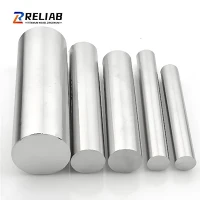
TI6AL4V titanium alloy plates are widely used in various industries due to their excellent properties, such as high strength, good corrosion resistance, and low density. However, to fully utilize their performance and achieve a more aesthetically pleasing appearance, proper polishing is essential. As a reliable supplier of TI6AL4V titanium alloy plates, I am delighted to share some professional tips on how to polish these plates effectively.
Understanding TI6AL4V Titanium Alloy Plates
Before diving into the polishing process, it's crucial to have a basic understanding of TI6AL4V titanium alloy plates. TI6AL4V, also known as Grade 5 titanium, is an alpha-beta titanium alloy that contains 6% aluminum and 4% vanadium. This alloy offers a unique combination of strength, ductility, and corrosion resistance, making it suitable for applications in aerospace, medical, marine, and automotive industries.
Preparation for Polishing
- Safety First: Polishing titanium alloy plates involves the use of abrasive materials and power tools, which can pose potential hazards. Therefore, it's essential to wear appropriate personal protective equipment (PPE), including safety glasses, gloves, and a dust mask, to protect yourself from flying debris and dust.
- Clean the Plates: Before polishing, clean the TI6AL4V titanium alloy plates thoroughly to remove any dirt, grease, or contaminants. You can use a mild detergent and water solution, followed by rinsing with clean water and drying with a soft cloth.
- Inspect the Plates: Carefully inspect the plates for any surface defects, such as scratches, dents, or pits. If necessary, repair these defects using appropriate methods, such as grinding or welding, before proceeding with the polishing process.
- Choose the Right Polishing Equipment and Materials: Selecting the appropriate polishing equipment and materials is crucial for achieving the desired results. Some common tools and materials used for polishing TI6AL4V titanium alloy plates include:
- Polishing Machines: Orbital polishers, belt sanders, and rotary polishers are commonly used for polishing titanium alloy plates. Choose a machine with variable speed settings to allow for greater control during the polishing process.
- Abrasive Papers and Pads: Use a series of abrasive papers and pads with different grit sizes to gradually smooth and polish the surface of the plates. Start with a coarse grit paper (e.g., 80 - 120 grit) to remove any rough spots or scratches, and then progress to finer grit papers (e.g., 220 - 400 grit) for a smoother finish. Finally, use a polishing pad with a fine abrasive compound for a mirror-like shine.
- Polishing Compounds: There are various types of polishing compounds available, including diamond, ceramic, and aluminum oxide compounds. Choose a compound that is suitable for use on titanium alloy plates and that matches the desired level of finish.
Polishing Process
- Initial Grinding: If the surface of the TI6AL4V titanium alloy plates is very rough or has significant scratches, start by using a coarse grit abrasive paper (e.g., 80 - 120 grit) on a belt sander or orbital polisher to remove the rough spots and level the surface. Move the sander or polisher in a consistent, overlapping pattern to ensure even grinding.
- Intermediate Sanding: After the initial grinding, switch to a finer grit abrasive paper (e.g., 220 - 400 grit) and continue sanding the surface of the plates. This step helps to further smooth the surface and remove any remaining scratches or marks from the previous grinding process. Again, use a consistent, overlapping pattern and apply even pressure to achieve a uniform finish.
- Polishing with Abrasive Pads: Once the surface of the plates has been sanded to a smooth finish, it's time to start polishing with abrasive pads. Apply a small amount of polishing compound to the pad and spread it evenly over the surface of the plate. Use a rotary polisher or orbital polisher to work the compound into the surface in a circular motion. Start with a low speed setting and gradually increase the speed as needed. Continue polishing until the desired level of shine is achieved.
- Final Buffing: After polishing with the abrasive pads, use a clean, soft cloth or buffing pad to remove any remaining polishing compound from the surface of the plates. This step helps to bring out the final shine and gives the plates a smooth, mirror-like finish.
Tips for Achieving the Best Results
- Use Consistent Pressure: When polishing TI6AL4V titanium alloy plates, it's important to apply consistent pressure to the polishing tool or pad. Uneven pressure can result in an uneven finish or cause damage to the surface of the plates.
- Work in Small Areas: To ensure a uniform finish, work in small, manageable areas at a time. This allows you to focus on each area and ensure that the polishing process is carried out evenly.
- Keep the Surface Lubricated: When using abrasive papers or pads, it's important to keep the surface of the plates lubricated to prevent overheating and reduce friction. You can use water, a lubricating oil, or a specialized polishing lubricant for this purpose.
- Inspect the Finish Regularly: Throughout the polishing process, regularly inspect the finish of the plates to ensure that you are achieving the desired results. If necessary, make adjustments to the polishing technique or equipment as needed.
Applications of Polished TI6AL4V Titanium Alloy Plates
Polished TI6AL4V titanium alloy plates have a wide range of applications in various industries, including:


- Aerospace: Polished titanium alloy plates are used in aircraft components, such as wings, fuselages, and engine parts, due to their high strength-to-weight ratio and excellent corrosion resistance.
- Medical: In the medical field, polished TI6AL4V titanium alloy plates are used in orthopedic implants, dental implants, and surgical instruments because of their biocompatibility and resistance to body fluids.
- Marine: Polished titanium alloy plates are suitable for use in marine applications, such as ship hulls, propellers, and offshore platforms, due to their resistance to seawater corrosion.
- Automotive: In the automotive industry, polished titanium alloy plates are used in high-performance engines, exhaust systems, and suspension components to reduce weight and improve performance.
Conclusion
Polishing TI6AL4V titanium alloy plates requires careful preparation, the right equipment and materials, and a systematic approach. By following the steps and tips outlined in this blog post, you can achieve a high-quality, mirror-like finish on your titanium alloy plates. As a supplier of TI6AL4V titanium alloy plates, we offer a wide range of products, including Titanium Plate Strip, CP2 Titanium Plate ASTM B265, and ASTM F136 Ti6AL4V ELI Titanium Sheets. If you are interested in purchasing our products or have any questions about polishing titanium alloy plates, please feel free to contact us for more information and to discuss your specific requirements.
References
- "Titanium Alloys: Properties, Processing, and Applications" by J. C. Williams and E. W. Collins.
- "Handbook of Titanium Alloys" edited by G. E. Totten and D. M. Howes.