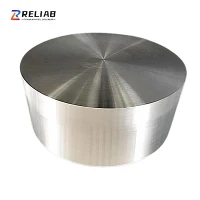
Proper storage of AMS 4928 Titanium Bar is crucial for maintaining its quality and integrity. As a trusted supplier of AMS 4928 Titanium Bar, I understand the significance of ensuring that these bars are stored under optimal conditions. In this blog post, I will share some essential guidelines on how to store AMS 4928 Titanium Bar properly.
Understanding AMS 4928 Titanium Bar
Before delving into the storage guidelines, it's important to have a basic understanding of AMS 4928 Titanium Bar. AMS 4928 is a specification for titanium alloy bars that are commonly used in aerospace, medical, and other high - performance applications. These bars are known for their excellent strength - to - weight ratio, corrosion resistance, and biocompatibility.
Ideal Storage Environment
Temperature
Titanium is relatively stable, but extreme temperatures can have an impact on its properties over time. The ideal storage temperature for AMS 4928 Titanium Bar is between 10°C and 30°C (50°F and 86°F). Avoid storing the bars in areas where the temperature fluctuates significantly, such as near heaters or in uninsulated outdoor storage units. High temperatures can cause the titanium to oxidize more rapidly, and low temperatures may make the material more brittle.
Humidity
Humidity is another critical factor. The relative humidity in the storage area should be kept between 30% and 60%. High humidity can lead to the formation of moisture on the surface of the bars, which may cause corrosion. To control humidity, you can use dehumidifiers in enclosed storage spaces. If possible, install a hygrometer to monitor the humidity levels regularly.
Ventilation
Proper ventilation is essential to prevent the accumulation of moisture and harmful gases. Ensure that the storage area has adequate air circulation. This can be achieved through natural ventilation, such as windows and vents, or by using mechanical ventilation systems. Good ventilation helps to maintain a stable environment and reduces the risk of corrosion.
Physical Storage Considerations
Clean and Dry Storage Area
The storage area should be clean and free from dust, dirt, and other contaminants. Any foreign particles on the surface of the titanium bars can cause scratches or act as sites for corrosion initiation. Before storing the bars, clean the storage racks or shelves thoroughly. Use a mild detergent and water to clean the surfaces, and then dry them completely.
Protection from Abrasion
Titanium bars should be protected from abrasion. When stacking the bars, use soft spacers between each layer to prevent scratching. You can use materials such as rubber pads or cardboard. Avoid storing the bars in direct contact with rough or sharp surfaces. If the bars are to be transported within the storage area, use proper handling equipment that has non - abrasive surfaces, such as forklift forks with rubber covers.
Isolation from Other Metals
Titanium can react with other metals through a process called galvanic corrosion when in contact with them in the presence of an electrolyte (such as moisture). Therefore, it is important to store AMS 4928 Titanium Bar separately from other metals, especially those that are more electrochemically active, such as steel, aluminum, and copper. If you need to store different types of metals in the same area, use physical barriers, such as plastic sheets or wooden dividers, to separate them.


Packaging
Original Packaging
If the AMS 4928 Titanium Bars come in original packaging, it is advisable to keep them in that packaging as long as possible. The original packaging is usually designed to protect the bars during transportation and short - term storage. It may include protective coatings, wrapping materials, and moisture - resistant barriers.
Additional Packaging
For long - term storage or if the original packaging is damaged, additional packaging can be used. Wrap the bars with a protective film, such as polyethylene film, to prevent dust and moisture from reaching the surface. You can also use anti - corrosion paper or VCI (Volatile Corrosion Inhibitor) packaging materials. These materials release a vapor that forms a protective layer on the surface of the titanium, reducing the risk of corrosion.
Inspection and Monitoring
Regular Inspections
Regularly inspect the stored AMS 4928 Titanium Bars for any signs of damage, corrosion, or degradation. Check the surface of the bars for discoloration, pitting, or the presence of rust. Inspect the packaging for any signs of damage or moisture ingress. If any issues are detected, take appropriate action immediately, such as cleaning the bars or replacing the damaged packaging.
Documentation
Keep detailed records of the storage conditions, including temperature, humidity, and inspection results. This documentation can be useful for quality control purposes and can help in identifying any trends or issues over time. It also provides evidence of proper storage practices in case of any quality - related disputes.
Comparison with Other Titanium Bars
It's interesting to note how the storage requirements of AMS 4928 Titanium Bar compare with other types of titanium bars, such as ASTM F67 H9 Titanium Bar and Ti - 3AI - 2.5V Alloy Rod and Bar.
ASTM F67 H9 Titanium Bar
ASTM F67 H9 Titanium Bar is often used in medical applications. The storage requirements for this type of bar are similar to AMS 4928 in terms of temperature and humidity control. However, due to its medical use, stricter cleanliness standards may apply. The bars should be stored in a sterile or cleanroom - like environment to prevent contamination.
Ti - 3AI - 2.5V Alloy Rod and Bar
Ti - 3AI - 2.5V Alloy Rod and Bar has different alloying elements, which may affect its corrosion resistance. While the basic storage principles of temperature, humidity, and ventilation still apply, this alloy may be more sensitive to certain environmental factors. For example, it may require more careful protection from chlorine - containing substances, as chlorine can accelerate corrosion in some titanium alloys.
Conclusion and Call to Action
Proper storage of AMS 4928 Titanium Bar is essential for maintaining its quality and ensuring its performance in various applications. By following the guidelines outlined in this blog post, you can minimize the risk of corrosion, damage, and degradation.
If you are in the market for high - quality AMS 4928 Titanium Bar or have any questions about storage or other aspects of titanium products, I invite you to contact us for further discussion. Our team of experts is ready to assist you in making the right choices for your specific needs.
References
- ASM Handbook, Volume 2: Properties and Selection: Nonferrous Alloys and Special - Purpose Materials
- Titanium: A Technical Guide, Second Edition