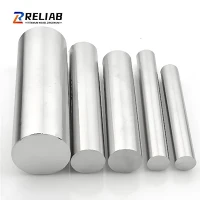
Storing TI6AL4V Titanium Alloy Plates is a crucial aspect of maintaining their quality and performance, especially for a supplier like me. TI6AL4V, also known as Grade 5 titanium alloy, is widely used in various industries due to its excellent strength-to-weight ratio, corrosion resistance, and high-temperature performance. In this blog, I'll share some scientific and practical tips on how to store these valuable titanium alloy plates properly.
Understanding the Characteristics of TI6AL4V Titanium Alloy Plates
Before delving into the storage methods, it's essential to understand the unique properties of TI6AL4V titanium alloy plates. This alloy consists of 6% aluminum and 4% vanadium, which gives it enhanced mechanical properties compared to pure titanium. However, it is also sensitive to certain environmental factors that can affect its integrity over time.
TI6AL4V is highly resistant to corrosion, but it can still be susceptible to oxidation if exposed to high humidity or certain chemicals. Additionally, the plates are relatively hard and brittle compared to some other metals, which means they need to be handled and stored carefully to avoid damage.
Ideal Storage Environment
The first step in storing TI6AL4V titanium alloy plates is to create an ideal storage environment. This includes controlling the temperature, humidity, and exposure to contaminants.
Temperature
The recommended storage temperature for TI6AL4V titanium alloy plates is between 10°C and 30°C (50°F and 86°F). Extreme temperatures can cause thermal expansion and contraction, which may lead to stress and potential cracking in the plates. Avoid storing the plates in areas that are subject to significant temperature fluctuations, such as near heating or cooling vents.
Humidity
Humidity is one of the most critical factors to consider when storing titanium alloy plates. High humidity can lead to the formation of moisture on the surface of the plates, which can cause oxidation and corrosion over time. The ideal relative humidity for storing TI6AL4V plates is between 30% and 50%. To maintain this level, you can use dehumidifiers in the storage area, especially in areas with high ambient humidity.
Contaminants
TI6AL4V titanium alloy plates should be stored in a clean and dust-free environment. Contaminants such as dirt, oil, and chemicals can react with the surface of the plates and cause damage. Make sure the storage area is regularly cleaned and free from any potential sources of contamination. Avoid storing the plates near areas where chemicals are used or stored.
Storage Methods
Once you have created an ideal storage environment, the next step is to choose the right storage method for your TI6AL4V titanium alloy plates.
Stacking
Stacking is a common method for storing titanium alloy plates. However, it's important to stack the plates properly to avoid damage. Place a protective layer, such as a plastic sheet or cardboard, between each plate to prevent scratching and abrasion. Make sure the stack is stable and not too high to avoid the risk of toppling over.
Racking
Racking is another effective storage method for titanium alloy plates. Use racks that are designed to support the weight of the plates and prevent them from bending or warping. Make sure the racks are made of a material that is compatible with titanium, such as stainless steel or plastic.
Wrapping
Wrapping the titanium alloy plates can provide an additional layer of protection. Use a protective film or wrapping material that is specifically designed for titanium. This can help prevent scratches, oxidation, and contamination. Make sure the wrapping is tight and secure to ensure maximum protection.
Handling and Transportation
Proper handling and transportation are also crucial to maintaining the quality of TI6AL4V titanium alloy plates.
Handling
When handling the plates, use appropriate lifting equipment, such as cranes or forklifts, to avoid manual lifting and potential damage. Make sure the lifting equipment is clean and free from any contaminants. Use soft pads or slings to support the plates and prevent scratching.
Transportation
During transportation, the titanium alloy plates should be properly secured to prevent movement and damage. Use a suitable transportation container or vehicle that is designed to protect the plates from vibration, shock, and weather conditions. Make sure the plates are wrapped and protected during transportation.
Inspection and Maintenance
Regular inspection and maintenance are essential to ensure the long-term quality of TI6AL4V titanium alloy plates.
Inspection
Inspect the plates regularly for any signs of damage, such as scratches, cracks, or oxidation. If any damage is detected, take appropriate measures to repair or replace the plates. Make sure to document the inspection results for future reference.
Maintenance
Maintain the storage environment and storage equipment regularly. Clean the storage area and racks to remove any dirt or contaminants. Check the dehumidifiers and other environmental control equipment to ensure they are working properly.


Conclusion
Storing TI6AL4V titanium alloy plates requires careful consideration of various factors, including the storage environment, storage methods, handling, transportation, and inspection. By following the tips outlined in this blog, you can ensure the long-term quality and performance of your titanium alloy plates.
If you are interested in purchasing TI6AL4V titanium alloy plates or have any questions about storage or handling, please feel free to contact us for more information. We are a professional supplier of TI6AL4V Titanium Alloy Plates and can provide you with high-quality products and excellent service.
References
- "Titanium Alloys: Properties, Processing, and Applications" by ASM International
- "Handbook of Titanium Science and Technology" by R. I. Jaffee and H. M. Burte