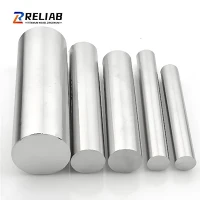
As a supplier of Ti - 3AI - 2.5V alloy rods and bars, I often receive inquiries about how to test the pressure resistance of these high - performance materials. In this blog, I'll share some common and effective methods for testing the pressure resistance of Ti - 3AI - 2.5V alloy rods and bars, which will be useful for both manufacturers and end - users.
Understanding Ti - 3AI - 2.5V Alloy
Ti - 3AI - 2.5V alloy is a type of titanium alloy known for its excellent combination of properties. It has high strength - to - weight ratio, good corrosion resistance, and relatively high ductility. These properties make it widely used in various industries such as aerospace, automotive, and medical fields. For example, in the medical industry, it can be used to manufacture Dental Implant Titanium Bars.
Factors Affecting Pressure Resistance
Before diving into the testing methods, it's crucial to understand the factors that can affect the pressure resistance of Ti - 3AI - 2.5V alloy rods and bars.
1. Material Composition
The exact proportion of aluminum (Al) and vanadium (V) in the alloy can influence its mechanical properties. Even a slight deviation from the standard composition can lead to changes in strength and ductility, which in turn affect pressure resistance.
2. Heat Treatment
Heat treatment processes such as annealing, quenching, and tempering can significantly alter the microstructure of the alloy. A well - controlled heat treatment can enhance the alloy's pressure - bearing capacity by optimizing its grain size and phase distribution.

3. Manufacturing Process
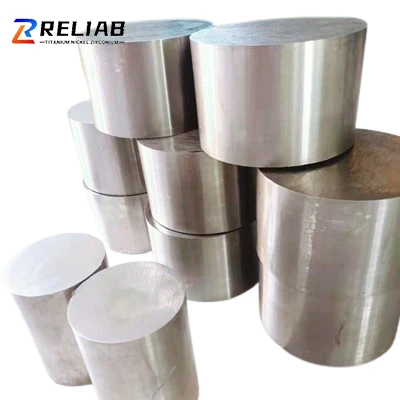
The way the rods and bars are manufactured, including forging, rolling, and extrusion, can introduce internal stresses and affect the material's homogeneity. Imperfections such as porosity, inclusions, or cracks can act as stress concentrators and reduce pressure resistance.
Testing Methods
1. Compression Testing
Compression testing is one of the most straightforward methods to evaluate the pressure resistance of Ti - 3AI - 2.5V alloy rods and bars. In this test, a cylindrical specimen is placed between two parallel platens of a testing machine. The machine then applies a gradually increasing compressive load until the specimen fails.
- Test Setup: The specimen should have a proper aspect ratio (usually a height - to - diameter ratio of 1 - 3) to ensure accurate results. The platens of the testing machine should be flat and parallel to avoid uneven loading.
- Data Collection: During the test, the load and displacement data are continuously recorded. The stress - strain curve can be plotted, from which important parameters such as the compressive strength, yield strength, and modulus of elasticity can be determined.
- Analysis: The compressive strength indicates the maximum pressure the specimen can withstand before failure. A higher compressive strength means better pressure resistance.
2. Hydrostatic Pressure Testing
Hydrostatic pressure testing involves subjecting the alloy rod or bar to uniform pressure in a fluid medium, usually water or oil.
- Test Setup: The specimen is sealed in a pressure chamber filled with the fluid. A pressure pump is used to increase the pressure inside the chamber gradually.
- Monitoring: During the test, the specimen is closely monitored for any signs of deformation, leakage, or rupture. Pressure sensors are used to measure the applied pressure accurately.
- Advantages: Hydrostatic pressure testing can simulate the real - world conditions where the alloy may be exposed to uniform pressure, such as in underwater applications. It can detect any hidden defects or weaknesses in the material that may not be apparent in other tests.
3. Biaxial and Triaxial Testing
In some applications, the Ti - 3AI - 2.5V alloy rods and bars may be subjected to multi - axial stresses. Biaxial and triaxial testing methods are used to simulate these complex stress states.
- Test Setup: Special testing fixtures are used to apply different combinations of stresses in two or three directions simultaneously. These fixtures can be hydraulic or mechanical, depending on the requirements of the test.
- Data Analysis: The test results are analyzed to determine the material's behavior under multi - axial loading conditions. This information is crucial for designing components that will be exposed to complex stress fields, such as in aerospace structures.
Quality Control in Testing
To ensure the accuracy and reliability of the pressure resistance tests, strict quality control measures should be implemented.
1. Calibration of Testing Equipment
All testing equipment, including testing machines, pressure sensors, and displacement transducers, should be calibrated regularly according to international standards. This ensures that the measured data is accurate and consistent.
2. Sampling
A representative sample of the alloy rods and bars should be selected for testing. The sampling method should be based on statistical principles to ensure that the test results can be generalized to the entire batch of products.
3. Documentation
Detailed records should be kept for each test, including the test conditions, specimen information, and test results. This documentation is essential for traceability and quality assurance purposes.
Applications of Pressure Resistance Testing Results
The results of pressure resistance testing can be used in several ways.
1. Material Selection
For designers and engineers, the test results can help in selecting the appropriate Ti - 3AI - 2.5V alloy rods and bars for specific applications. They can compare the pressure - bearing capacities of different materials and choose the one that best meets the requirements.
2. Product Improvement
Manufacturers can use the test results to identify areas for improvement in the manufacturing process. If the test results show that the pressure resistance of the alloy is lower than expected, they can adjust the material composition, heat treatment process, or manufacturing parameters to enhance the product quality.
3. Safety Assurance
In safety - critical applications such as aerospace and medical devices, pressure resistance testing is essential for ensuring the reliability and safety of the products. By conducting thorough testing, manufacturers can minimize the risk of product failure and ensure the well - being of end - users.
Other Related Titanium Bars
In addition to Ti - 3AI - 2.5V alloy rods and bars, we also supply other types of titanium bars, such as Ti - 6242 Titanium Bars and AMS 4928 Titanium Bar. These bars also have unique properties and applications, and similar pressure resistance testing methods can be applied to evaluate their performance.
Conclusion
Testing the pressure resistance of Ti - 3AI - 2.5V alloy rods and bars is a crucial step in ensuring their quality and suitability for various applications. By understanding the factors that affect pressure resistance and using appropriate testing methods, manufacturers and end - users can make informed decisions about the material selection, product design, and quality control.
If you are interested in our Ti - 3AI - 2.5V alloy rods and bars or have any questions about pressure resistance testing, please feel free to contact us for further discussions and potential procurement opportunities.
References
- ASM Handbook Volume 2: Properties and Selection: Nonferrous Alloys and Special - Purpose Materials.
- ASTM Standards for Metallic Materials Testing.
- Titanium: A Technical Guide by David E. Llewellyn.