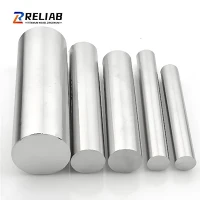
As a supplier of Titanium Timascus Plate, I often encounter questions from customers about the recyclability of this unique material. In this blog post, I will delve into the topic of whether a Titanium Timascus Plate is recyclable, exploring the science behind it, the recycling process, and the benefits of recycling this remarkable material.
What is Titanium Timascus Plate?
Before we discuss its recyclability, let's first understand what Titanium Timascus Plate is. Titanium Timascus is a type of Damascus steel made from titanium. It is created by laminating different grades of titanium together and then forging and heat - treating the layers to create a distinctive pattern, similar to traditional Damascus steel. This process results in a plate that is not only aesthetically pleasing but also offers excellent strength, corrosion resistance, and light weight.


Titanium Timascus Plates are used in a variety of applications, including high - end cutlery, watch components, and aerospace parts. Their unique properties make them a popular choice for industries where both performance and appearance matter. For more information about our Titanium Timascus Plate, you can visit Titanium Timascus Plate.
The Science of Titanium Recycling
Titanium is a highly recyclable metal. The key to understanding its recyclability lies in its chemical and physical properties. Titanium is a transition metal with a strong affinity for oxygen, which forms a thin, protective oxide layer on its surface. This oxide layer gives titanium its excellent corrosion resistance.
When it comes to recycling, titanium can be re - melted and refined. The recycling process typically involves collecting scrap titanium, sorting it by grade, and then melting it in a high - temperature furnace. During the melting process, impurities are removed, and the titanium can be cast into new forms.
The recyclability of Titanium Timascus Plate is based on the same principles. Since it is primarily made of titanium, it can be recycled in a similar way to other titanium products. The different grades of titanium used in the lamination process do not significantly affect the overall recyclability, as they can all be melted down and separated during the refining process.
The Recycling Process for Titanium Timascus Plate
The recycling process for Titanium Timascus Plate can be broken down into several steps:
- Collection: The first step is to collect scrap Titanium Timascus Plates. This can come from manufacturing waste, end - of - life products, or excess inventory. As a supplier, we often work with our customers to collect and recycle their scrap materials.
- Sorting: Once the scrap is collected, it needs to be sorted. This involves identifying the different grades of titanium in the Timascus Plate and separating them from other metals or contaminants. Sorting is crucial to ensure the quality of the recycled material.
- Melting: The sorted scrap is then melted in a furnace. Titanium has a high melting point (around 1668°C), so a specialized furnace is required. During the melting process, the different layers of titanium in the Timascus Plate are homogenized, and impurities are removed.
- Refining: After melting, the titanium is refined to further purify it. This can involve processes such as vacuum distillation or electron beam melting to remove any remaining impurities and ensure the desired chemical composition.
- Casting: Finally, the refined titanium is cast into new forms, such as ingots or billets, which can be used to manufacture new products. This can include new Titanium Timascus Plates or other titanium - based products.
Benefits of Recycling Titanium Timascus Plate
Recycling Titanium Timascus Plate offers several benefits:
- Environmental Benefits: Recycling titanium reduces the need for mining and extraction of new titanium ore. Mining operations can have a significant environmental impact, including deforestation, soil erosion, and water pollution. By recycling, we can conserve natural resources and reduce the environmental footprint of titanium production.
- Energy Savings: The energy required to recycle titanium is significantly less than the energy needed to produce new titanium from ore. This is because the melting and refining processes for recycled titanium are less energy - intensive than the extraction and purification processes for virgin titanium.
- Cost - Effectiveness: Recycling can be a cost - effective alternative to producing new Titanium Timascus Plates. Since the raw material (scrap titanium) is already available, the cost of production can be reduced, which can translate into cost savings for our customers.
- Sustainability: Recycling promotes a circular economy, where materials are reused and recycled instead of being discarded. This is in line with the growing trend towards sustainable manufacturing and consumption.
Other Recyclable Titanium Products
In addition to Titanium Timascus Plate, we also offer other recyclable titanium products. For example, our Pure Cut Titanium Cutting Board is made from high - quality titanium and can be recycled at the end of its life. Our GR5 Titanium Alloy Plate Strip is another product that can be recycled, as GR5 is a commonly used and highly recyclable titanium alloy.
Conclusion and Call to Action
In conclusion, Titanium Timascus Plate is indeed recyclable. Its unique composition and properties do not prevent it from being re - melted, refined, and reused in new products. Recycling offers numerous benefits, including environmental protection, energy savings, cost - effectiveness, and sustainability.
If you are interested in purchasing Titanium Timascus Plate or other titanium products, or if you have scrap titanium that you would like to recycle, we encourage you to contact us for more information. We are committed to providing high - quality products and sustainable solutions to our customers. Let's work together to make the most of this remarkable material and contribute to a more sustainable future.
References
- "Titanium: Properties, Production, and Applications" by William H. Hunt
- "Recycling of Titanium Alloys" in the Journal of Materials Recycling and Waste Management
- "The Environmental Impact of Titanium Mining" by the International Titanium Association