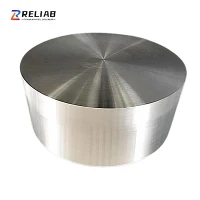
Titanium tubes are widely recognized for their exceptional properties, such as high strength - to - weight ratio, corrosion resistance, and biocompatibility. These characteristics make them a popular choice in various industries, including aerospace, automotive, medical, and sports equipment. However, like any industrial product, the use of titanium tubes also has environmental impacts. As a titanium tube supplier, it's crucial for me to understand these impacts and share this knowledge with our customers.
1. Extraction and Mining
The first stage in the lifecycle of titanium tubes is the extraction of titanium ore. Titanium is primarily mined from ilmenite and rutile, which are found in large deposits around the world. Mining activities can have significant environmental consequences.
- Habitat Destruction: Open - pit mining, which is commonly used for titanium ore extraction, often involves the removal of large areas of vegetation and topsoil. This leads to the destruction of natural habitats for plants and animals. For example, in regions where titanium mining is prevalent, entire forests may be cleared, displacing numerous species and disrupting ecological balance.
- Soil Erosion: Once the vegetation is removed, the exposed soil becomes vulnerable to erosion. Rainfall and wind can carry away the topsoil, which is rich in nutrients. This not only affects the local agriculture but also can lead to sedimentation in nearby rivers and streams. Sedimentation can reduce water quality, harm aquatic life, and clog waterways.
- Water Pollution: Mining operations use large amounts of water for various processes, such as ore washing and dust suppression. This water often becomes contaminated with heavy metals, chemicals, and sediment. When discharged into the environment without proper treatment, it can pollute groundwater and surface water sources. For instance, titanium ore processing may release heavy metals like lead and mercury, which are toxic to humans and wildlife.
2. Processing and Manufacturing
After the titanium ore is mined, it undergoes a series of processing steps to produce titanium tubes. These processes also have environmental implications.
- Energy Consumption: The production of titanium tubes is an energy - intensive process. The extraction of titanium from its ore requires high temperatures and complex chemical reactions. For example, the Kroll process, which is widely used to produce titanium sponge (an intermediate product), involves heating titanium tetrachloride with magnesium at high temperatures. This high - energy demand typically comes from fossil fuels, which contribute to greenhouse gas emissions and climate change.
- Emissions: During the manufacturing process, various emissions are released into the atmosphere. The combustion of fossil fuels for energy generates carbon dioxide, a major greenhouse gas. In addition, chemical reactions in the processing of titanium can release other pollutants, such as sulfur dioxide and nitrogen oxides. These pollutants can cause air pollution, acid rain, and smog, which have negative impacts on human health and the environment.
- Waste Generation: Titanium tube manufacturing also generates a significant amount of waste. This includes solid waste, such as slag and scrap metal, and liquid waste from chemical processes. If not managed properly, these wastes can pose environmental risks. For example, some of the chemical waste may be hazardous and require special treatment and disposal methods to prevent contamination of the soil and water.
3. Transportation
Once the titanium tubes are manufactured, they need to be transported to customers. Transportation also has environmental impacts.
- Fuel Consumption and Emissions: Most transportation of titanium tubes is done by trucks, trains, or ships. These modes of transportation rely on fossil fuels, such as diesel and gasoline. The combustion of these fuels releases carbon dioxide, nitrogen oxides, and particulate matter into the atmosphere. The longer the transportation distance, the more fuel is consumed and the higher the emissions. For example, if titanium tubes are shipped from a manufacturing plant in Asia to a customer in Europe, the long - distance transportation can contribute significantly to the overall carbon footprint of the product.
- Noise Pollution: Transportation vehicles, especially trucks and ships, can generate significant noise pollution. This can be a nuisance to nearby communities and can also have negative impacts on wildlife. For example, loud noises can disrupt the communication and behavior of animals, affecting their ability to find food, mates, and shelter.
4. Use and End - of - Life
The use and end - of - life phase of titanium tubes also have environmental aspects.

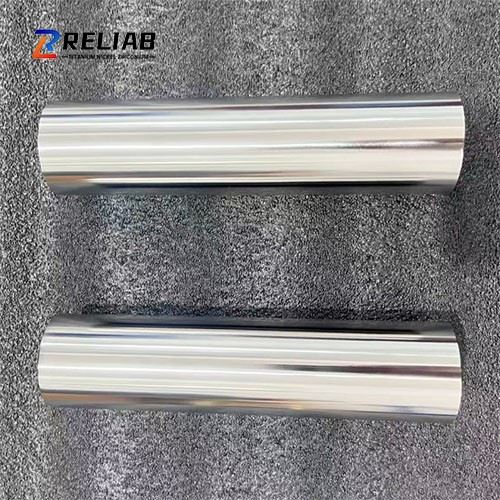
- Long - Term Durability: One of the positive environmental aspects of titanium tubes is their long - term durability. Due to their high corrosion resistance and strength, titanium tubes can have a long service life in various applications. For example, in the aerospace industry, titanium tubes can be used in aircraft structures for decades. This reduces the need for frequent replacement, which in turn reduces the overall environmental impact associated with manufacturing new tubes.
- Recycling: Titanium is a highly recyclable material. At the end of their useful life, titanium tubes can be recycled and reused to produce new products. Recycling titanium requires less energy compared to producing new titanium from ore. For example, recycling titanium can save up to 95% of the energy required for primary production. This not only reduces energy consumption but also minimizes the environmental impacts associated with mining and processing. However, the recycling rate of titanium tubes is currently relatively low due to technical and economic challenges.
Our Efforts as a Titanium Tube Supplier
As a titanium tube supplier, we are aware of the environmental impacts associated with our products and are taking steps to minimize them.
- Sustainable Sourcing: We are committed to sourcing titanium ore from mines that follow sustainable mining practices. This includes mines that implement reforestation programs, use water - saving technologies, and properly manage their waste. By supporting sustainable mining, we can help reduce the environmental impacts of titanium extraction.
- Energy - Efficient Manufacturing: We are constantly looking for ways to improve the energy efficiency of our manufacturing processes. This includes investing in new technologies and equipment that require less energy. For example, we are exploring the use of alternative energy sources, such as solar and wind power, to reduce our reliance on fossil fuels.
- Promoting Recycling: We encourage our customers to recycle their used titanium tubes. We provide information on the recycling process and can assist in the collection and recycling of end - of - life products. By promoting recycling, we can contribute to the circular economy and reduce the environmental impact of titanium production.
Product Highlights
We offer a wide range of high - quality titanium tubes for different applications. For example, our Grade 9 Titanium Tubing for Bicycles is lightweight and strong, making it an ideal choice for high - performance bicycles. Our 2'' Gr2 Polished Titanium Pipe is known for its excellent corrosion resistance and smooth surface finish, suitable for various industrial applications. And our CP1 Titanium Exhuast Tubes are designed to withstand high temperatures and harsh environments, making them perfect for automotive and aerospace exhaust systems.
Conclusion
The use of titanium tubes has both positive and negative environmental impacts. While the extraction, processing, and transportation of titanium tubes can cause environmental damage, their long - term durability and recyclability offer opportunities for reducing these impacts. As a titanium tube supplier, we are committed to minimizing the environmental footprint of our products through sustainable sourcing, energy - efficient manufacturing, and promoting recycling. If you are interested in our titanium tubes or have any questions about our environmental efforts, please feel free to contact us for further discussion and procurement negotiations.
References
- Smith, J. (2018). "Environmental Impacts of Metal Mining and Processing." Journal of Environmental Science and Technology, 25(3), 123 - 135.
- Jones, A. (2019). "Sustainable Production of Titanium: Challenges and Opportunities." International Journal of Sustainable Manufacturing, 10(2), 89 - 102.
- Brown, C. (2020). "Recycling of Titanium Alloys: A Review." Recycling and Waste Management, 15(4), 201 - 215.