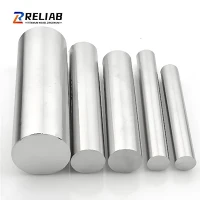
As a supplier of CP1 Titanium Exhaust Tubes, I am well - versed in the many advantages these products offer, such as high corrosion resistance, excellent strength - to - weight ratio, and good formability. However, it is also crucial to be transparent about the potential drawbacks associated with using CP1 Titanium Exhaust Tubes. This blog post aims to provide an in - depth analysis of these drawbacks, allowing customers to make informed decisions when considering these products.
High Initial Cost
One of the most significant drawbacks of CP1 Titanium Exhaust Tubes is their high initial cost. Titanium is a relatively rare metal, and the extraction, refining, and manufacturing processes are complex and energy - intensive. Compared to traditional materials like stainless steel or aluminum, CP1 Titanium Exhaust Tubes can be significantly more expensive.
For example, the cost of producing a simple exhaust system using CP1 Titanium Exhaust Tubes can be two to three times higher than a similar system made from stainless steel. This high cost can be a major deterrent for budget - conscious customers or those operating in price - sensitive markets. Even though titanium offers long - term benefits such as durability and reduced maintenance, the upfront investment can be a significant hurdle. You can learn more about CP1 Titanium Exhaust Tubes on our website.
Difficult Machining and Welding
CP1 Titanium Exhaust Tubes are notoriously difficult to machine and weld. Titanium has a high chemical reactivity at elevated temperatures, which makes it prone to contamination during the machining process. When cutting or shaping titanium, special tools and techniques are required to prevent the formation of hard, brittle compounds that can compromise the integrity of the tube.
Welding titanium is also a challenging task. It requires a controlled environment, typically an inert gas shield, to prevent oxidation and nitrogen absorption. Even small amounts of oxygen or nitrogen can cause the weld to become brittle and prone to cracking. This means that fabricators need specialized equipment and highly skilled operators to work with CP1 Titanium Exhaust Tubes. As a result, the manufacturing process becomes more time - consuming and costly, further adding to the overall expense of the product.
Limited Availability of Skilled Labor
Due to the specialized nature of working with titanium, there is a limited pool of skilled labor available. Not many technicians are trained in the proper handling, machining, and welding of CP1 Titanium Exhaust Tubes. This shortage of skilled workers can lead to longer lead times for production and installation.
In addition, finding reliable contractors or service providers who can work with titanium can be a challenge. Customers may have to search far and wide to find someone with the necessary expertise, which can be inconvenient and time - consuming. This limited availability of skilled labor can also increase the cost of labor, as those with the required skills can command higher wages.
Susceptibility to Galling
Galling is a form of wear that occurs when two surfaces in contact slide against each other under high pressure. CP1 Titanium Exhaust Tubes are susceptible to galling, especially when in contact with other metals or even other titanium components. This can be a problem in exhaust systems where there are many moving parts and connections.
When galling occurs, it can cause damage to the surface of the tube, leading to increased friction, reduced efficiency, and potential leaks. To prevent galling, special lubricants or coatings may be required, which add to the cost and complexity of the system. Moreover, if galling is not addressed promptly, it can lead to premature failure of the exhaust tube, resulting in costly repairs or replacements.
Compatibility Issues with Other Materials
In an exhaust system, CP1 Titanium Exhaust Tubes may need to be connected to other components made from different materials, such as rubber gaskets or steel flanges. There can be compatibility issues between titanium and these other materials.


For example, when titanium comes into contact with certain metals in the presence of an electrolyte (such as moisture), it can cause galvanic corrosion. This type of corrosion can weaken the connection between the titanium tube and the other component, leading to leaks or structural failure. Careful consideration must be given to the selection of compatible materials and the design of the connections to minimize these risks. You can explore other titanium products like Pure Grade 2 Titanium Seamless Pipe and Grade 9 Titanium Tubing for Bicycles on our website.
Higher Sensitivity to Temperature Changes
While titanium has good heat resistance, CP1 Titanium Exhaust Tubes are more sensitive to temperature changes compared to some other materials. In extreme temperature variations, titanium can expand and contract at a different rate than other components in the exhaust system. This differential expansion and contraction can cause stress on the joints and connections, potentially leading to leaks or damage over time.
For example, in a high - performance engine where the exhaust temperatures can fluctuate rapidly, the CP1 Titanium Exhaust Tubes may experience more stress than a system made from a more thermally stable material. This requires careful design and engineering to accommodate these temperature - related changes and ensure the long - term reliability of the exhaust system.
Recycling Challenges
Recycling CP1 Titanium Exhaust Tubes is more challenging compared to other metals. Titanium has a high melting point, and the recycling process requires specialized equipment and techniques. Additionally, the presence of contaminants or coatings on the tubes can further complicate the recycling process.
This means that the end - of - life management of CP1 Titanium Exhaust Tubes can be more difficult and costly. Customers who are environmentally conscious may be concerned about the lack of efficient recycling options, as it goes against the principles of sustainable development.
Conclusion
Despite these potential drawbacks, CP1 Titanium Exhaust Tubes still offer many benefits, such as high corrosion resistance, light weight, and excellent strength. However, it is essential for customers to be aware of the challenges associated with using these products. By understanding the limitations, customers can make more informed decisions about whether CP1 Titanium Exhaust Tubes are the right choice for their specific applications.
If you are interested in learning more about our CP1 Titanium Exhaust Tubes or have any questions regarding the potential drawbacks and how to mitigate them, we encourage you to contact us for a detailed discussion. Our team of experts is ready to assist you in making the best choice for your exhaust system needs.
References
- "Titanium: Properties, Processing, and Applications" by John C. Williams
- "Exhaust System Design and Performance" by David Crolla
- Industry reports on titanium manufacturing and exhaust system technologies