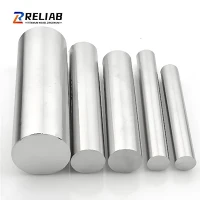
Hey there! As a titanium plate supplier, I often get asked about the modulus of elasticity of titanium plates. So, I thought I'd write a blog post to break it down for you in a simple way.
First off, let's talk about what the modulus of elasticity actually is. In simple terms, it's a measure of how stiff a material is. When you apply a force to a material, it deforms. The modulus of elasticity tells you how much the material will deform under a given force. It's also known as Young's modulus, named after the British scientist Thomas Young.


Now, let's get into the nitty - gritty of titanium plates. Titanium is an amazing metal. It's strong, lightweight, and highly resistant to corrosion. These properties make it a top choice in various industries, like aerospace, medical, and marine.
The modulus of elasticity of pure titanium is around 103 GPa (gigapascals). But here's the thing, most of the titanium plates we supply aren't pure titanium. They're usually alloys, and the modulus of elasticity can vary depending on the alloy composition.
For example, the CP2 Titanium Plate ASTM B265 is a commercially pure titanium plate. It has a relatively consistent modulus of elasticity close to that of pure titanium. CP2 titanium is great because it has good formability and weldability, along with decent corrosion resistance. So, if you're looking for a material that's easy to work with and still has the basic titanium properties, this is a solid option.
On the other hand, the BT6 Titanium Wrought Alloy Plate is an alloy. Alloying titanium with other elements like aluminum and vanadium can change its mechanical properties, including the modulus of elasticity. BT6 alloy is known for its high strength - to - weight ratio and excellent fatigue resistance. The modulus of elasticity of BT6 alloy is a bit higher than that of pure titanium, usually around 110 - 115 GPa. This makes it a great choice for applications where you need a stiffer material, like in aircraft structures.
Then there's the Titanium Flat Bar. It's also made from titanium, and its modulus of elasticity depends on whether it's made from pure titanium or an alloy. The flat bar is often used in applications where you need a more precise shape, like in machinery parts or architectural structures.
Why does the modulus of elasticity matter? Well, it's crucial in engineering design. If you're building a bridge, for example, you need to know how much the titanium plates will bend under the weight of traffic. A higher modulus of elasticity means the material will deform less under a given load. This is important for ensuring the safety and stability of structures.
In the medical field, the modulus of elasticity is also important. When using titanium plates for bone implants, you want the modulus of elasticity to be close to that of human bone. This helps to reduce the stress shielding effect, where the implant takes on too much of the load, causing the bone to weaken over time.
When we're manufacturing these titanium plates and bars, we make sure to test the modulus of elasticity. We use advanced testing equipment to ensure that the products meet the required standards. This way, you can be confident that you're getting a high - quality product that will perform as expected.
If you're in the market for titanium plates or bars, and you're concerned about the modulus of elasticity, don't worry. Our team of experts can help you choose the right product for your specific needs. Whether you need a material with a high modulus for a high - stress application or a more flexible one for a custom - shaped project, we've got you covered.
We understand that every project is unique, and that's why we offer a wide range of titanium products. We can also provide you with detailed technical specifications, including the modulus of elasticity, so you can make an informed decision.
So, if you're interested in our titanium plates, CP2 Titanium Plate ASTM B265, BT6 Titanium Wrought Alloy Plate, or Titanium Flat Bar, just reach out to us. We're always happy to have a chat about your requirements and help you find the perfect solution.
In conclusion, the modulus of elasticity of titanium plates is an important property that can vary depending on the alloy and the manufacturing process. Whether you're an engineer designing a new structure or a medical professional looking for the right implant material, understanding this property is key. And as your trusted titanium plate supplier, we're here to make sure you get the best products for your projects. So, don't hesitate to contact us for more information and let's start working together on your next big thing!
References
- Callister, W. D., & Rethwisch, D. G. (2011). Materials Science and Engineering: An Introduction. Wiley.
- ASM Handbook Committee. (1994). ASM Handbook: Properties and Selection: Nonferrous Alloys and Special - Purpose Materials. ASM International.