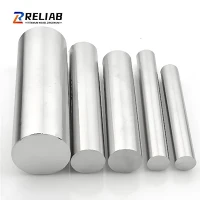
TIG (Tungsten Inert Gas) welding is a widely recognized and highly precise welding process, especially when it comes to working with titanium. As a leading supplier of TIG Titanium Welding Rods, I often receive inquiries about the tensile strength of the welds created using our products. In this blog, I will delve into the factors influencing the tensile strength of TIG titanium welds and provide some insights based on industry knowledge and our experience.
Understanding Tensile Strength
Tensile strength is a fundamental mechanical property that measures the maximum amount of tensile (pulling) stress a material can withstand before it breaks. In the context of TIG titanium welding, the tensile strength of the weld is a critical parameter as it determines the integrity and performance of the welded joint under load. A high - quality weld with sufficient tensile strength ensures the structural reliability of the titanium components in various applications, such as aerospace, automotive, and marine industries.
Factors Affecting the Tensile Strength of TIG Titanium Welds
1. Titanium Grade
Titanium comes in different grades, each with its own chemical composition and mechanical properties. For example, CP Titanium Bar is commercially pure titanium, which is known for its excellent corrosion resistance and relatively lower strength compared to alloyed titanium. On the other hand, Grade 9 Titanium Scooter Bar is an alloy that contains small amounts of vanadium and aluminum, resulting in improved strength. TI6AL4V Titanium Round Bar is another popular alloy with a higher content of aluminum and vanadium, offering even greater strength and toughness.
When using TIG titanium welding rods, the grade of the base metal and the matching welding rod significantly impact the tensile strength of the weld. It is crucial to select the appropriate welding rod grade that is compatible with the base metal to achieve optimal weld properties.
2. Welding Parameters
The welding parameters in TIG titanium welding play a vital role in determining the quality and tensile strength of the weld. These parameters include welding current, voltage, travel speed, and shielding gas flow rate.
- Welding Current: The welding current affects the heat input into the weld. A higher current can increase the penetration and fusion of the base metal and the welding rod, but if it is too high, it may cause excessive melting, porosity, and a decrease in the tensile strength. Conversely, a low current may result in incomplete fusion and weak welds.
- Voltage: The voltage is related to the arc length. A proper arc length is necessary to maintain a stable arc and ensure good weld bead formation. An incorrect voltage can lead to inconsistent weld quality and reduced tensile strength.
- Travel Speed: The travel speed determines the amount of time the heat is applied to the weld area. A too - fast travel speed may result in insufficient fusion, while a too - slow speed can cause overheating and grain growth in the weld, both of which can negatively affect the tensile strength.
- Shielding Gas Flow Rate: Titanium is highly reactive to oxygen, nitrogen, and hydrogen at elevated temperatures. A proper shielding gas flow rate (usually argon) is essential to protect the weld pool from contamination. Insufficient shielding can lead to the formation of brittle oxides and nitrides in the weld, reducing its tensile strength.
3. Weld Preparation
Proper weld preparation is essential for achieving high - strength TIG titanium welds. This includes cleaning the base metal and the welding rod to remove any contaminants such as oil, grease, oxides, and dirt. Contaminants can introduce impurities into the weld, which can weaken the joint and reduce its tensile strength.
The joint design also affects the weld strength. For example, a well - prepared butt joint with proper root gap and bevel angles allows for better penetration and fusion of the welding rod and the base metal, resulting in a stronger weld.
4. Post - Weld Heat Treatment
In some cases, post - weld heat treatment can be used to improve the tensile strength and other mechanical properties of TIG titanium welds. Heat treatment can relieve residual stresses in the weld, refine the grain structure, and improve the ductility and toughness of the joint. However, the heat treatment process must be carefully controlled to avoid over - aging or other detrimental effects on the weld.


Typical Tensile Strength Values
The tensile strength of TIG titanium welds can vary widely depending on the factors mentioned above. Generally, commercially pure titanium welds may have a tensile strength in the range of 300 - 500 MPa, while alloyed titanium welds such as those made with TI6AL4V can have tensile strengths exceeding 900 MPa.
It is important to note that these values are approximate and can be affected by the specific welding conditions and the quality of the welding process. To ensure the desired tensile strength, it is recommended to conduct proper testing and quality control during the welding process.
Quality Assurance and Testing
As a TIG Titanium Welding Rod supplier, we are committed to providing high - quality products that can help our customers achieve reliable and strong welds. We conduct strict quality control on our welding rods to ensure their chemical composition and mechanical properties meet the industry standards.
In addition, we encourage our customers to perform appropriate testing on their welds, such as tensile testing, to verify the strength of the joints. Tensile testing involves applying a gradually increasing tensile load to a welded specimen until it breaks, and measuring the maximum load the specimen can withstand. This test provides valuable information about the actual tensile strength of the weld and helps identify any potential issues in the welding process.
Conclusion
The tensile strength of TIG titanium welds is influenced by multiple factors, including the titanium grade, welding parameters, weld preparation, and post - weld heat treatment. As a supplier of TIG Titanium Welding Rods, we understand the importance of these factors and strive to provide our customers with the best products and technical support.
If you are looking for high - quality TIG Titanium Welding Rods or have any questions about achieving the desired tensile strength in your titanium welding projects, we are here to help. Contact us for more information and to discuss your specific requirements. Let's work together to ensure the success of your welding applications.
References
-ASM Handbook, Volume 6: Welding, Brazing, and Soldering.
-Titanium: A Technical Guide, Second Edition by Don Eylon.