
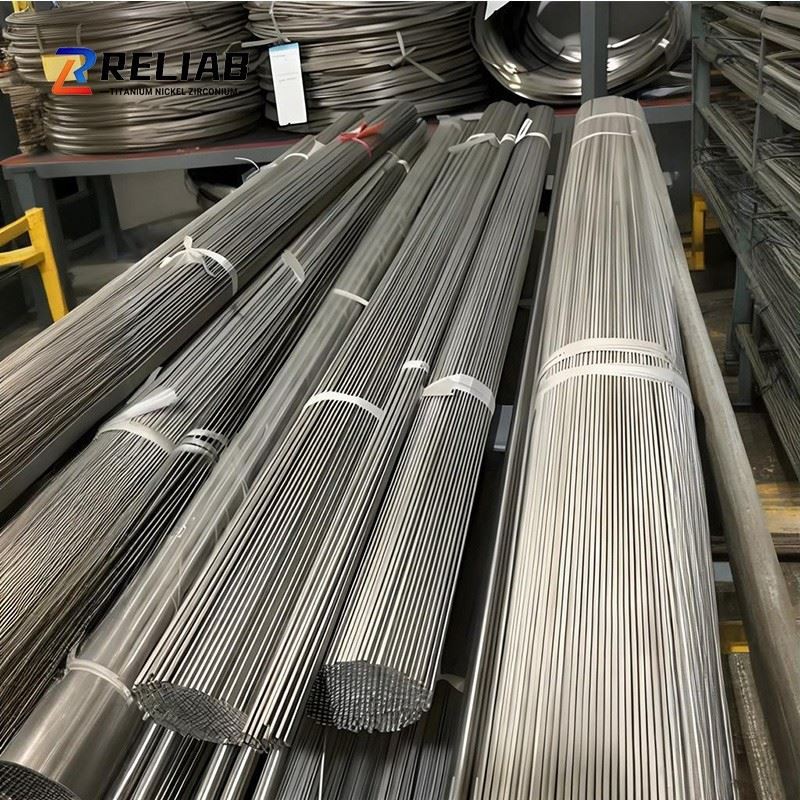
Introduction of Titanium welding electrode
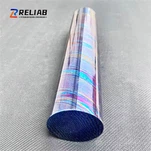
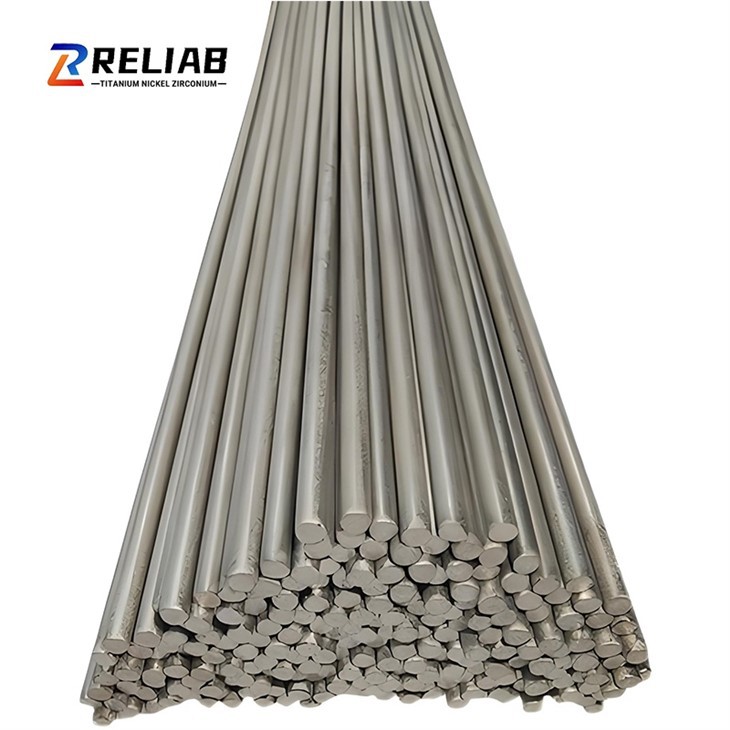
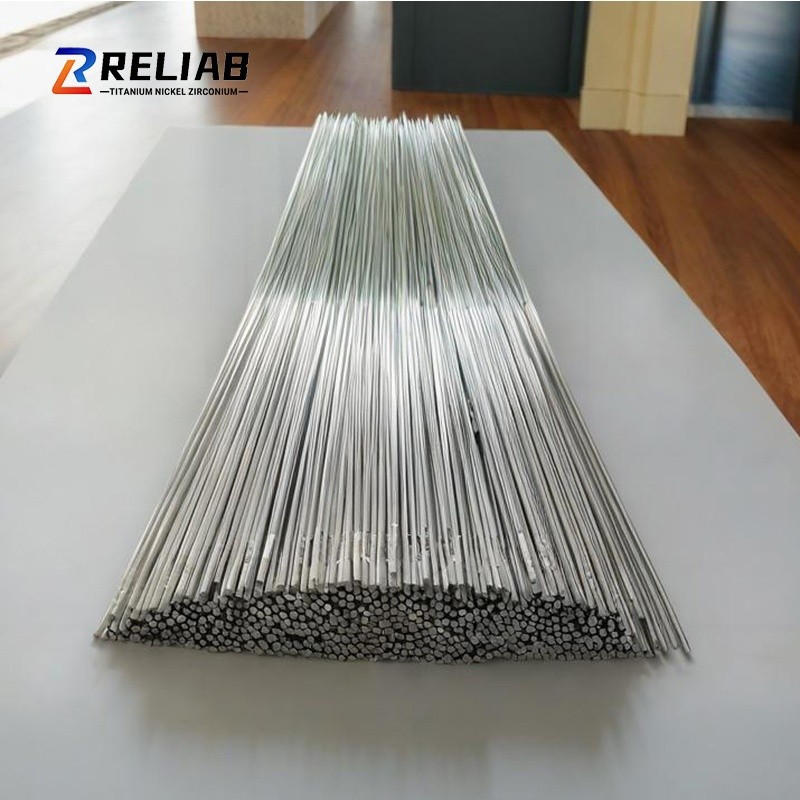
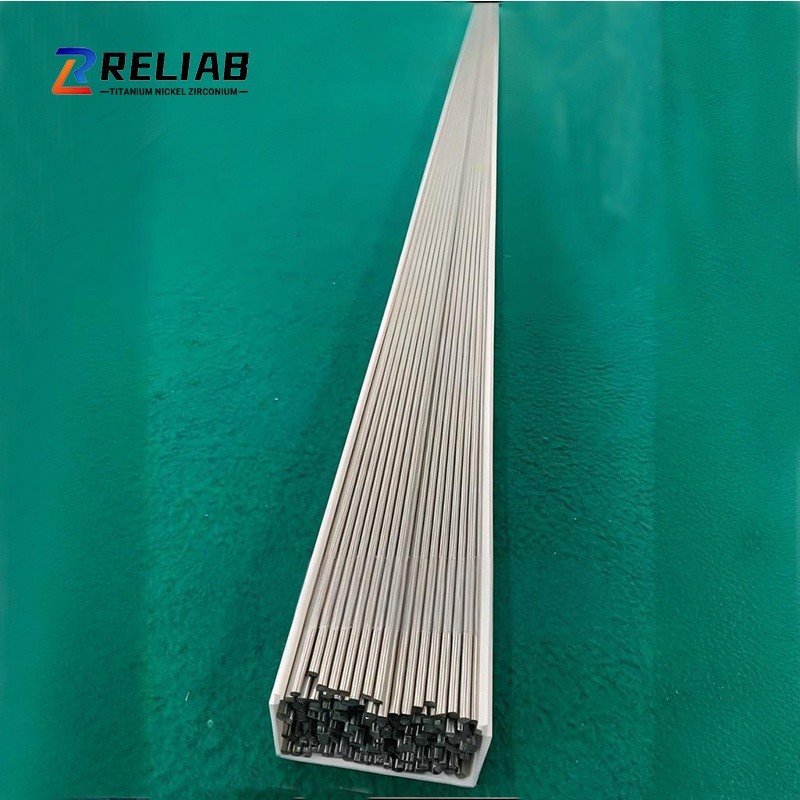
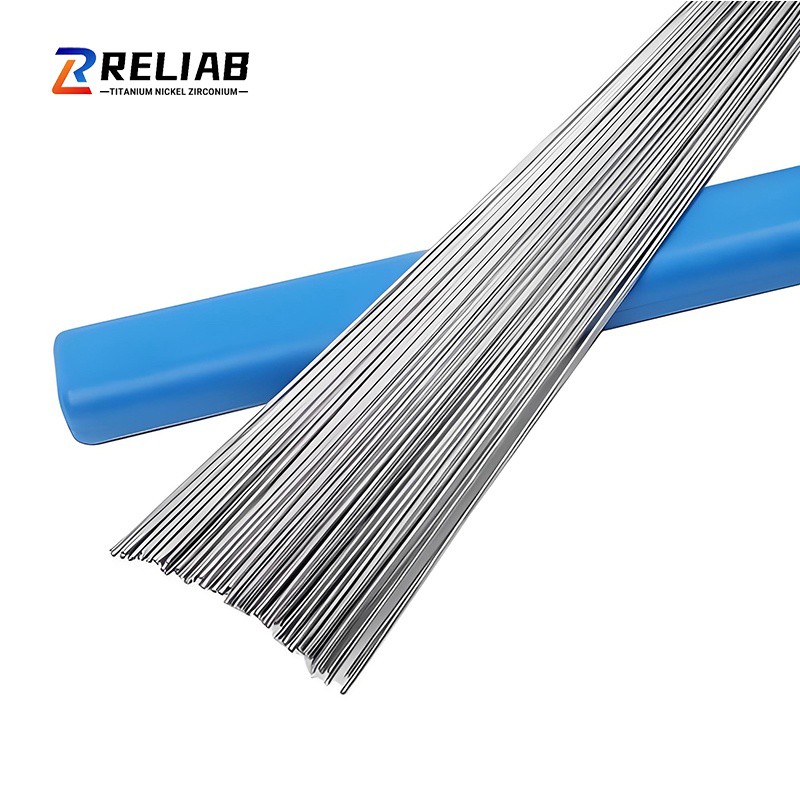
Titanium welding electrode is a specialized welding material designed specifically for welding titanium and titanium alloys. Due to its light weight, high strength, exceptional corrosion resistance, and excellent high-temperature performance, it is widely used in high-end manufacturing sectors such as aerospace, medical devices, chemical equipment, and marine engineering.
Main Features and Benefits
1.Lightweight Advantage
Titanium has a density of approximately 4.5 g/cm³, which is only 60% that of steel. Welding with titanium electrodes can significantly reduce the weight of structures, making it particularly suitable for weight-sensitive aircraft and racing car components.
2.Exceptional Corrosion Resistance
Titanium exhibits exceptional resistance to corrosion in seawater, acidic and alkaline environments, and chloride-containing media, far surpassing stainless steel. It is an ideal choice for offshore platforms and desalination plants.
3.Good Biocompatibility
Non-toxic and non-allergenic, titanium is highly compatible with human tissue. As a result, it is commonly used for repair welding in medical devices such as artificial joints and dental implants.
4.High-Temperature Stability
It maintains excellent mechanical properties even at high temperatures, making it suitable for engine components or heat exchangers operating at elevated temperatures.
Classification and Models
| Models | Related Material |
Main Ingredients |
Applications |
|---|---|---|---|
| ERTi-1 | CP Titanium Gr.1 | CP Titanium |
Chemical processing equipment, desalination |
| ERTi-2 | CP Titanium Gr.2 | CP Titanium |
Aerospace, Medical Devices |
| ERTi-3 | CP Titanium Gr.3 | CP Titanium |
Medium-strength structural components |
| ERTi-4 | CP Titanium Gr.4 | CP Titanium |
High-intensity industrial applications |
| ERTi-5 | Ti-6Al-4V |
Titanium-aluminum-vanadium alloy |
Aviation frames, high-end structural components |
Standard and Specifications
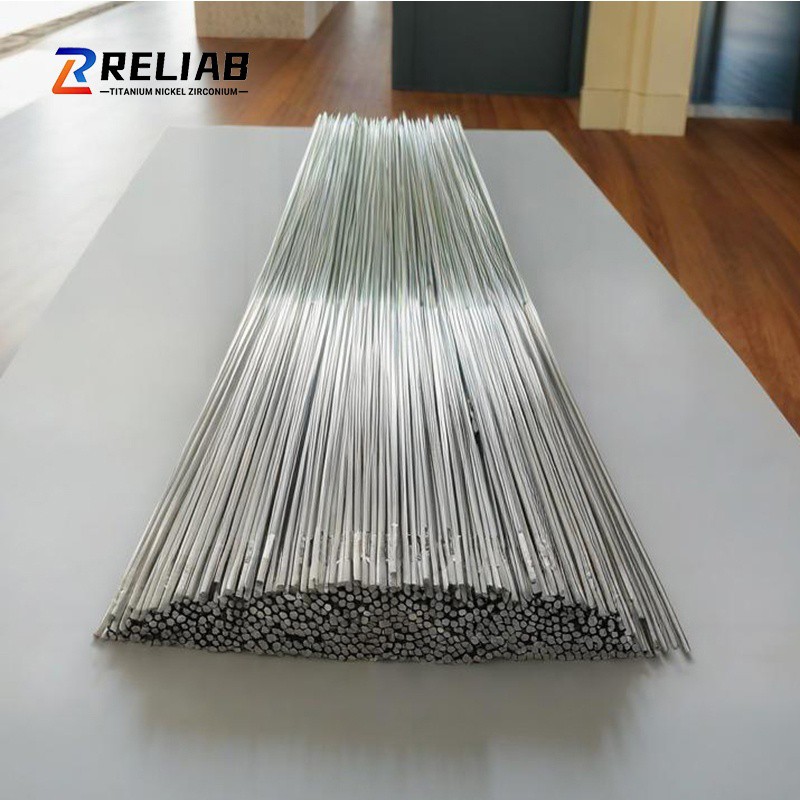
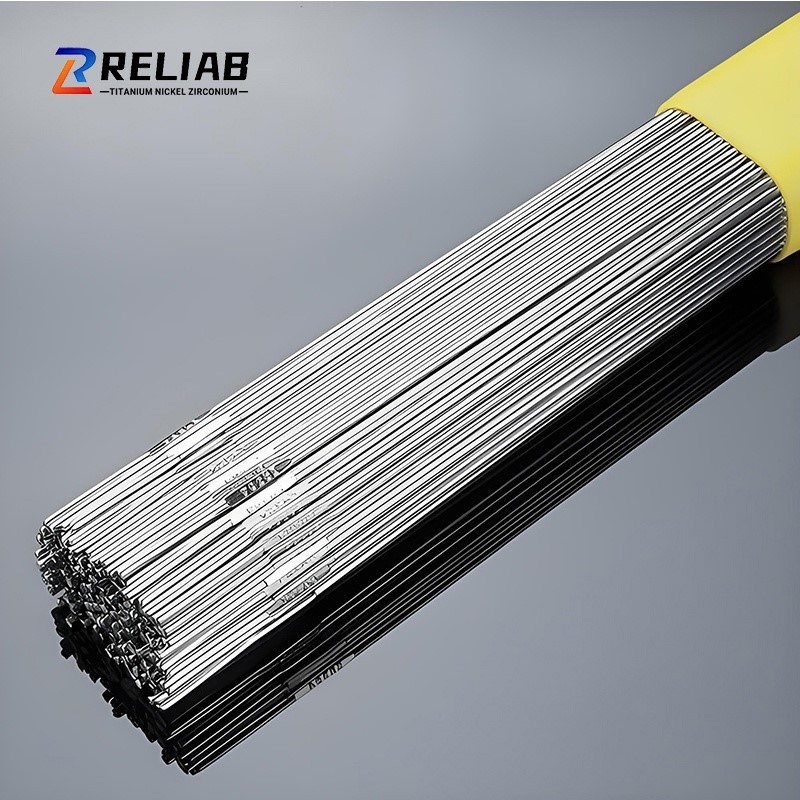
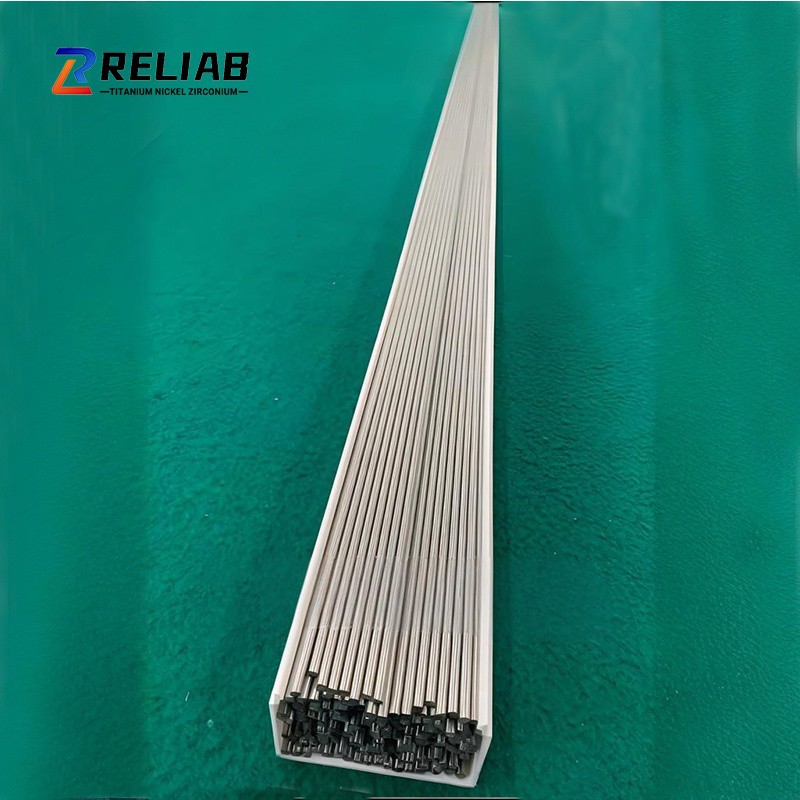
Straight rods (welding rods): Ø1.0/1.6/2.0/2.4/3.2 mm, length 1000 mm, for manual TIG welding
Coiled wire(in spool): Ø0.8/1.0/1.2/1.6 mm, for automated MIG, TIG, and robotic welding
U.S. Standards: AWS A5.16 (ERTi-1–ERTi-15), ASTM B863
Military Standards: MIL-DTL-81381 (for aerospace applications)
Key Elements Control
The interstitial elements (O, N, H, C) in titanium welding rods are critical and must be strictly controlled:
Oxygen (O): ≤0.25% (pure titanium), ELI grade ≤0.13%; Exceeding limits → embrittlement, sharp increase in hardness, and reduced ductility
Nitrogen N: ≤0.03%; more harmful than oxygen; even trace amounts cause brittle fracture
Hydrogen H: ≤0.008%; prone to delayed cracking and hydrogen embrittlement
Carbon C: ≤0.08%; affects ductility and corrosion resistance
Impurity Fe: Pure titanium ≤0.3%; controlled according to alloy grade
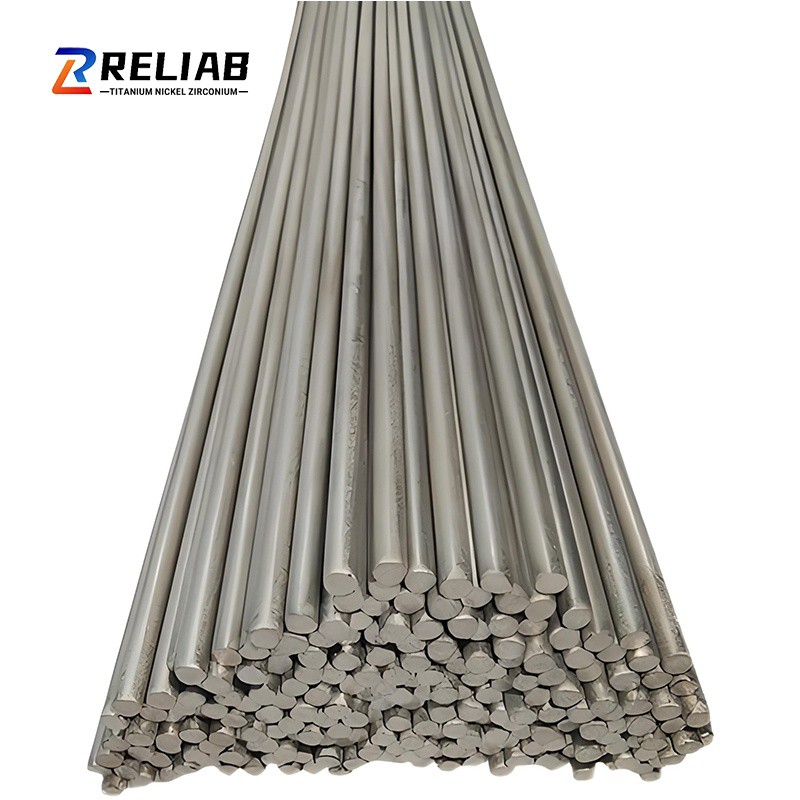
Products showcase
why choose baoji reliab metals?
- More than 15 years studying and producing titanium and nickel products.
- Specializing in the production of various titanium bar and welding rods wires.
- Provide customers with tOEM and ODM products.
- Superior material and competitive prices plus fast delivery.
- Feedback to customers all day in 24 hours.
how to contact us?
 E-mail: garychen3215@hotmail.com
 Address: No.35, Baoti Rd, Baoji city, Shaanxi Province, China
 Contact: Mr. Gary Chen
 Phone: +86-917-8883215
 Mobile/WhatsApp: +86 13092900605
Hot Tags: titanium welding electrode, China titanium welding electrode manufacturers, suppliers, factory, iron bar titanium, titanium cost per pound, titanium filler rod welding, titanium bar suppliers, titanium mineral, titanium jewellery