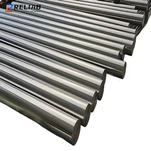
Titanium alloys are excellent lightweight, high-strength metallic materials with superior corrosion resistance and high-temperature performance. In the aerospace field, titanium alloys are widely used in various structural components, engine parts, gas turbine blades, and other critical components. Titanium alloy casting is one of the commonly used methods for manufacturing these components.
I. Characteristics of Titanium Alloy Castings Excellent Physical and Mechanical Properties: Titanium alloys possess characteristics such as low specific gravity, high strength, high stiffness, and good fatigue resistance, making them an indispensable material in the aerospace industry. Good Corrosion Resistance: Titanium alloys exhibit strong corrosion resistance and can be used for extended periods in harsh environments such as seawater, acids, and alkalis. Excellent High-Temperature Performance: Titanium alloys also demonstrate outstanding high-temperature stability, maintaining good performance at high temperatures. Good Machinability: Titanium alloys possess good forgeability, machinability, and weldability, facilitating the manufacture of castings in various shapes.
II. Specific Applications of Titanium Alloy Castings in Aerospace
Passenger aircraft structural components: For structural components such as the fuselage shell, landing gear, wing leading edge, and spoilers, titanium alloy castings replace traditional aluminum alloys, reducing aircraft weight and improving fuel efficiency. Engine components: For components such as engine turbine blades, rotors, bladed disks, and aft casings, titanium alloy castings possess high-temperature strength and oxidation resistance, meeting the requirements of high-speed engine rotation and high-temperature, high-pressure environments. Aero-engine jet ducts: Jet ducts made of titanium alloy castings can withstand high-temperature, high-pressure exhaust gases and have excellent corrosion resistance, extending their service life. Spacecraft structural components: For structural components in space vehicles such as satellites and rockets, titanium alloy castings meet the requirements of spacecraft in extreme environments, offering high safety and reliability.
III. Manufacturing Process of Titanium Alloy Castings The manufacturing process of titanium alloy castings mainly includes raw material preparation, mold design, melting and casting, heat treatment, and machining. Among these, mold design and heat treatment are crucial factors affecting casting quality.
IV. Quality Control of Titanium Alloy Castings Quality control of titanium alloy castings includes multiple aspects such as chemical composition analysis, microstructure observation, mechanical property testing, and non-destructive testing. Non-destructive testing is a very important quality control method, capable of detecting defects such as cracks, porosity, and inclusions in the castings.
With the increasing demand for high-performance materials in the aerospace industry, titanium alloy castings will be used more widely.


Baoji Reliab Metal Materials Co.,Ltd
Mobile: 0086 13092900605
Sales Department 1: WhatsApp +8613092900605 (Mr.Gary)
Sales Department 2: +8613092913521(Ms. Sophia)
Address: No.35 Baoti Rd, Weibin District, Baoji, China