In high-temperature environments, selecting the appropriate titanium pipe is crucial for ensuring the durability and reliability of industrial equipment. Thanks to their excellent resistance to high temperatures and corrosion, titanium pipes perform exceptionally well in many high-temperature applications.
First, regarding material selection, titanium pipes intended for high-temperature environments are typically made from commercially pure titanium or titanium alloys. These materials offer exceptional resistance to both high temperatures and corrosion, maintaining structural stability even under conditions of high temperature and high pressure. For instance, commonly used titanium alloys-such as Ti-6Al-4V-not only possess excellent mechanical properties but also retain high strength and toughness at elevated temperatures. Furthermore, surface treatments, such as anodizing, can be applied to titanium pipes to further enhance their corrosion resistance.
Second, in terms of design, titanium pipes must exhibit good thermal stability and efficient heat transfer capabilities. In high-temperature environments, they must be able to withstand intense heat while effectively transferring thermal energy. Consequently, such systems are often equipped with rapid cooling mechanisms-such as jacketed heat exchangers or cooling water circuits-to ensure reliable operation under high-temperature conditions. Additionally, the wall thickness and dimensions of the pipes must be precisely engineered for specific applications to guarantee structural strength and stability at high temperatures.
Third, regarding their scope of application, titanium pipes are widely used in sectors such as the chemical industry, aerospace, nuclear energy, and marine engineering. In these fields, they are frequently employed for transporting high-temperature media, as well as in heat exchangers, reactors, and other critical equipment. In the chemical industry, for example, titanium pipes are used to transport corrosive substances and high-temperature gases, thereby ensuring the safety and stability of production processes.
Fourth, in terms of performance requirements, titanium pipes for high-temperature environments must possess several key characteristics: high-temperature resistance, corrosion resistance, efficient heat transfer, and high reliability. To meet these criteria, manufacturers typically subject their materials to rigorous testing and certification, ensuring compliance with established standards and industry codes, such as those set by ASME and ASTM.
Fifth, regarding installation and maintenance, proper installation techniques are essential for the optimal performance of titanium pipes. Before installation, it is crucial to ensure a stable foundation for the piping system and to follow the manufacturer's guidelines during commissioning. Regular inspection and maintenance-including cleaning heat exchangers, checking seals, and lubricating connection components-are also necessary to ensure long-term, effective operation.
In summary, the selection and application of titanium pipes for high-temperature environments require a comprehensive evaluation of various factors, including materials, design, performance, and maintenance. Selecting the appropriate titanium tubing can significantly enhance the durability and reliability of industrial equipment operating under high-temperature conditions, ensuring safe and dependable performance.
Overview
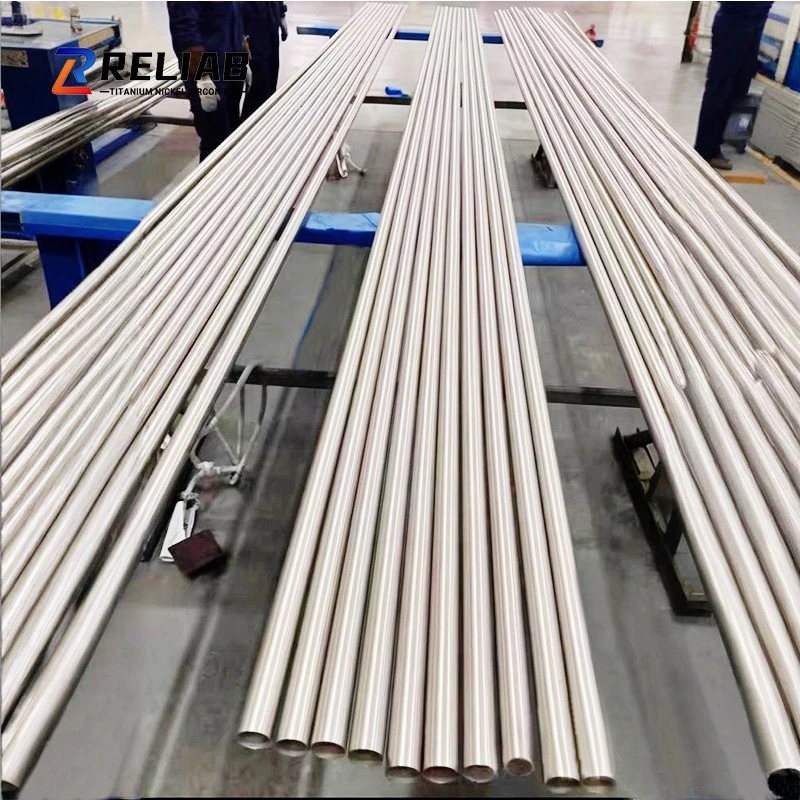
In high-temperature environments, it is essential to use titanium tubing made from heat-resistant materials-such as commercially pure titanium or titanium alloys-and to incorporate a rapid cooling system to maintain stable operation. This technology is widely applied in sectors including the chemical industry and aerospace, where it ensures the durability and safety of equipment subjected to high temperatures and high pressures.

 E-mail: garychen3215@hotmail.com
 Address: No.35, Baoti Rd, Baoji city, Shaanxi Province, China
 Contact: Mr. Gary Chen
 Phone: +86-917-8883215
 Mobile/WhatsApp: +86 13092900605