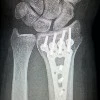
Biomedical materials, which interact with biological systems to diagnose, treat, repair, or replace tissues and organs and enhance their function, occupy an important position in the medical field. Among these, medical metallic materials constitute a significant proportion, particularly in orthopedic and cardiovascular products. Surgical implant materials mainly include metals, polymers, and ceramics, with metallic materials further comprising stainless steel, cobalt-based alloys, and titanium-based alloys. Titanium alloys, due to their similarity to human bone, possess excellent biocompatibility and lack of toxic side effects, leading to their widespread use in the medical field.
I. Advantages of Titanium Alloys
The widespread application of titanium alloys in the medical field is mainly due to their superior properties:
1. Corrosion Resistance: Titanium alloys exhibit excellent corrosion resistance in the human body environment, effectively resisting the erosion of bodily fluids and ensuring the long-term stability of implants.
2. Biocompatibility: Titanium is similar in composition to human bone, has no toxic side effects on human tissues, and possesses good biocompatibility, reducing rejection reactions after implantation.
3. Superior Mechanical and Fatigue Properties: Titanium alloys have high strength and good fatigue properties, capable of withstanding the complex mechanical environment during human movement.
4. Good Toughness: While maintaining high strength, titanium alloys also possess good toughness, making them less prone to brittle fracture.
5. Low Elastic Modulus: The elastic modulus of titanium alloys is similar to that of human bone, helping to reduce stress shielding effects and promoting bone tissue healing and regeneration.
6. Good Wear Resistance: In composite materials, titanium alloys exhibit good wear resistance, extending the lifespan of implants.
7. Reasonable Price: Compared to other high-end medical materials, titanium alloys are more reasonably priced, offering high cost-effectiveness.
II. Microstructure Types of Titanium and Titanium Alloys
After hot working, titanium and titanium alloys typically yield three different microstructures, each with distinct performance characteristics:
1. Widmanstätten structure: While exhibiting high strength, it suffers from low plasticity and impact toughness, making it an undesirable microstructure for processing.
2. Equiaxed structure: Possesses excellent overall performance, particularly superior plasticity and impact toughness, and exhibits the highest fatigue strength, making it the most desirable microstructure.
3. Basket mesh structure: Its properties fall between Widmanstätten and equiaxed structures, and it is sometimes selected based on specific requirements.
III. The Influence of Impurity Elements on Titanium
Properties Impurities in titanium, especially interstitial impurities, significantly reduce its plasticity and toughness, and adversely affect fatigue performance, creep resistance, and notch sensitivity. Therefore, for titanium materials used in surgical implants, strict control of impurity element content is crucial to ensure good performance and service life.
In conclusion, titanium alloys play an irreplaceable role in the medical field due to their unique advantages. In the future, with the continuous advancement of materials science and the increasing demands of medical care, the research and application of medical titanium alloy materials will usher in even broader development prospects.


Baoji Reliab Metal Materials Co.,Ltd
Mobile: 0086 13092900605
Sales Department 1: WhatsApp +8613092900605 (Mr.Gary)
garychen3215@hotmail.com
Sales Department 2: +8613092913521(Ms. Sophia)
boantj@163.com
Address: No.35 Baoti Rd, Weibin District, Baoji, China