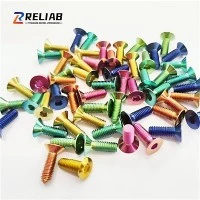
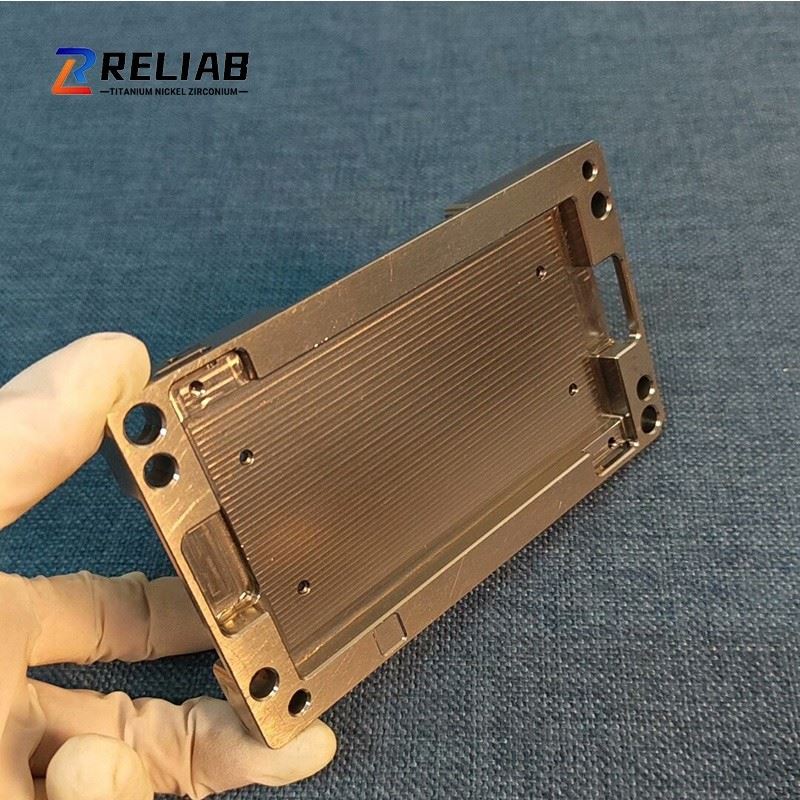
Why Are More and More Consumer Electronics Companies Turning Their Attention to Titanium Alloys?The answer is simple: because it offers the ultimate experience in lightness, thinness, and durability, titanium alloy is one of the few materials that can simultaneously deliver lightness, strength, and a premium feel.
Think back-haven't we all had enough of bulky phones and watches that feel heavy on our wrists? And aren't we fed up with the scratches on stainless steel cases? The arrival of titanium alloy directly addresses these pain points: it significantly reduces weight while dramatically improving scratch and wear resistance. This isn't just a gimmick-it's a genuine upgrade to the user experience.
However, there's a supply chain chasm between "good materials" and "good products." Titanium alloy is difficult to process; if the quality of upstream material batches is inconsistent, downstream yield rates and costs will spiral out of control.
01 Lightweight and Strong
Titanium alloy has a density of approximately 4.5 g/cm³, which is only 57% that of 316 stainless steel, yet its tensile strength far exceeds that of aluminum alloy.
Replacing the stainless steel frame can reduce weight by 20% to 30%, addressing the common complaint that flagship smartphones and large watches are too heavy and uncomfortable to hold.
Since the foldable screen hinge undergoes repeated opening and closing, titanium alloy's superior fatigue resistance ensures it is less likely to deform or break over time.
02 Corrosion-Resistant and Skin-Friendly
A dense oxide layer forms naturally on the surface, making it resistant to corrosion from sweat, cosmetics, and seawater; it offers excellent biocompatibility and causes virtually no metal allergies, making it ideal for devices worn close to the skin for extended periods, such as watches and smart rings.
03 RF-Friendly, Does Not Block Signals
Titanium alloy is non-magnetic and causes far less interference with millimeter-wave, NFC, and UWB antennas than stainless steel. This eliminates the need for numerous cutouts in the metal frame of a smartphone, allowing for greater freedom in structural design.
04 Unique Texture
Sandblasted/brushed natural-colored titanium has a natural matte metallic finish that resists fingerprints and evokes the look and feel of aerospace-grade, high-end precision engineering, making it a key differentiating feature for high-end flagship models.
05 Industry Side
Technological Breakthroughs-Mass production has only become a reality in recent years following the maturation of two key processes:
Metal 3D Printing: For complex parts such as hinges and watch cases, material utilization has significantly improved, reducing raw material consumption by up to half.
MIM (Metal Injection Molding): For high-volume production of small-to-medium-sized titanium alloy parts, this process lowers the unit processing cost and is well-suited for small structural components in mobile phones.
06 Product Competition Logic
Foldable screens as a key differentiator for high-end models: The hinge is the core pain point; titanium alloy, with its fatigue resistance and lightweight properties, is the key material for improving the durability of foldable screens;
High-end smartwatches: Weight reduction, hypoallergenic properties, and resistance to seawater corrosion are essential requirements for outdoor and sports models;
Flagship smartphones: Replacing stainless steel with titanium reduces weight without compromising drop resistance, addressing user complaints about large-screen flagships being "as heavy as half a jin."

 E-mail: garychen3215@hotmail.com
 Address: No.35, Baoti Rd, Baoji city, Shaanxi Province, China
 Contact: Mr. Gary Chen
 Phone: +86-917-8883215
 Mobile/WhatsApp: +86 13092900605