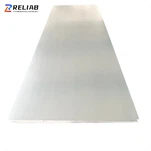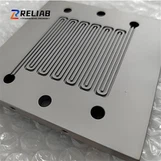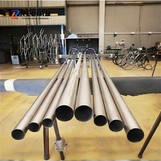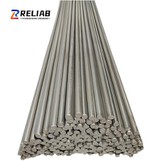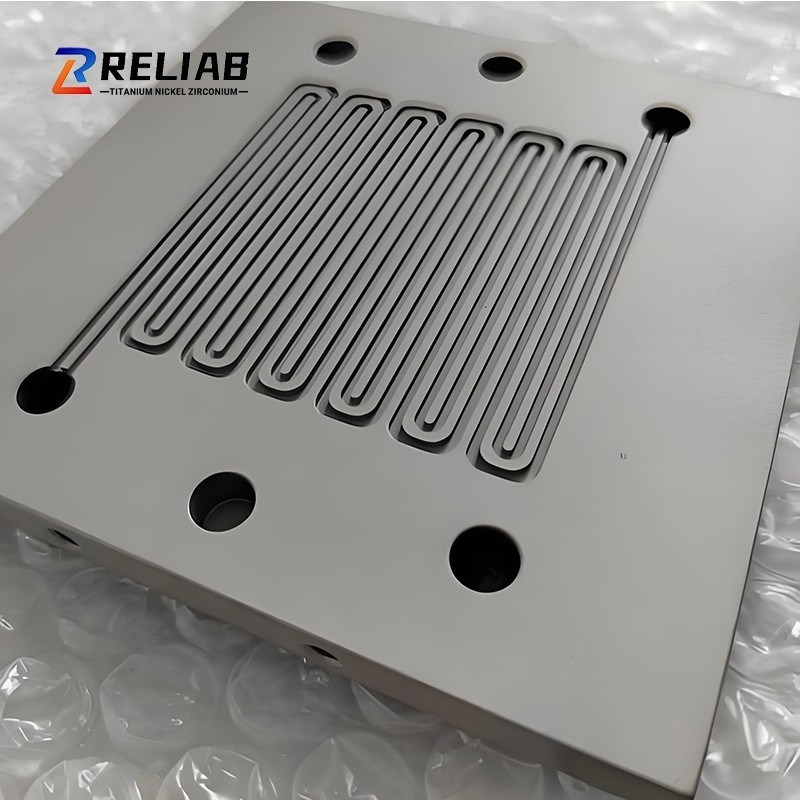


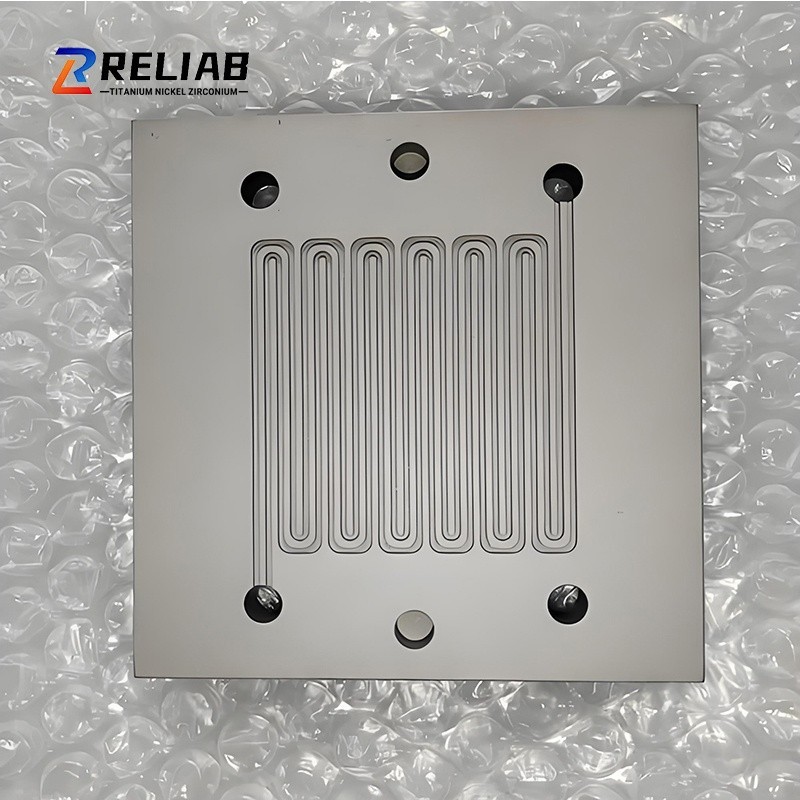


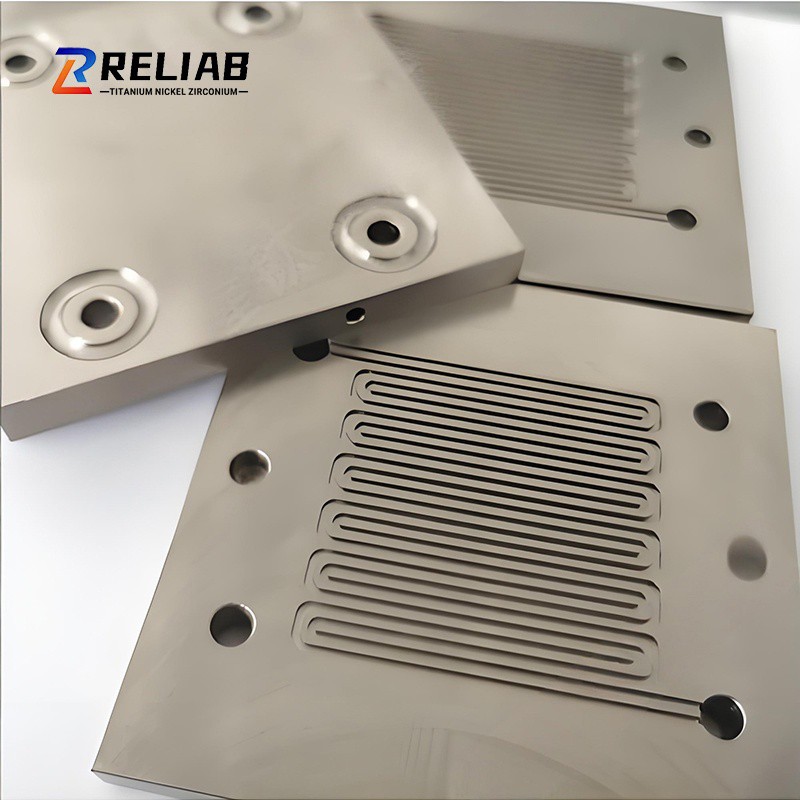
about Titanium bipolar plates for hydrogen production electrolysers
Titanium bipolar plates in hydrogen-producing electrolysers are the core components of proton exchange membrane (PEM) water electrolysis systems. Their primary functions include conducting electricity, separating gases, distributing fluids, and providing structural support. Due to their exceptional corrosion resistance and electrical conductivity under harsh operating conditions characterized by strong acidity and high potentials, they have become the material of choice for PEM electrolysers.
Functions and Uses of Titanium bipolar plates
Bipolar plates serve as the "skeleton" and "blood vessels" of the fuel cell stack, performing four key functions in a PEM fuel cell:
Electrical conductivity: Acting as current collectors for the electrodes, they efficiently conduct electrical current and connect individual cells to form a stack.
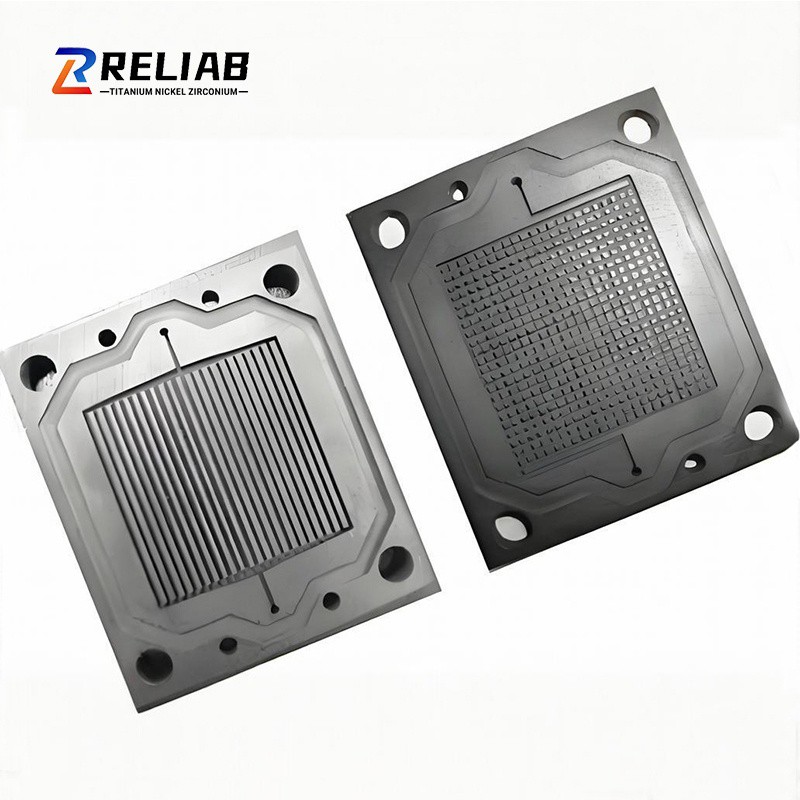
Fluid distribution: Precise flow channels on the surface evenly distribute water to the membrane electrode assembly (MEA) and rapidly vent hydrogen and oxygen.
Gas isolation: The dense structure strictly separates the anode (oxygen) from the cathode (hydrogen), preventing gas crossover.
Structural support: Provides mechanical support for the membrane electrode assembly (MEA), withstanding stack assembly and operating pressures (typically > 30 bar).
Advantages of the Material
1. Excellent corrosion resistance
Demonstrates exceptional chemical stability in the highly acidic environment of PEM electrolysers (pH 2–3)
A dense TiO₂ passivation layer formed on the surface provides self-protection
Resistant to chloride ion corrosion, making it suitable for applications such as hydrogen production from seawater
2. Good electrical conductivity
Low bulk resistivity (approximately 0.47 μΩ·m)
Meets operational requirements for high current densities (1–3 A/cm²)
3. Outstanding Mechanical Properties
High strength-to-weight ratio
Good ductility, suitable for precision stamping
4. Long Service Life and Reliability
Design life of 60,000–80,000 hours
Extremely low degradation rate (<1 μV/hour)
Material Properties (Advantages of Titanium-Based Alloys)
PEM electrolyzers operate in a highly acidic environment (pH ≈ 1–2), at high potentials (>1.8 V), and at high temperatures (≈80 °C), placing extremely high demands on the materials used. Titanium (primarily industrial-grade pure titanium TA1/TA2 or titanium alloys) is currently the only material capable of fully meeting these requirements:
Exceptional corrosion resistance: A dense TiO₂ passivation layer naturally forms on the titanium surface, remaining stable in acidic fluoride (F⁻)-containing electrolytes with a corrosion rate of < 0.5 μA/cm², far superior to stainless steel.
High electrical conductivity: With a conductivity of approximately 1.7×10⁶ S/m, it ensures low resistance and low energy consumption.
Lightweight and high-strength: With a density of only 4.51 g/cm³ (approximately 60% that of steel) and high mechanical strength (tensile strength ≥ 300 MPa), it enables lightweight construction and high-pressure operation.
Hydrogen embrittlement resistance: Through alloying (e.g., Ti-0.3Pd) or surface coating treatments, it effectively suppresses material embrittlement caused by hydrogen permeation.
Good processability: High-precision, complex flow fields can be fabricated using processes such as stamping, etching, and 3D printing.
Products detail show of Titanium bipolar plates



about shippings

We can ship the goods by solutions as below:
** By express: Such as DHL, UPS, FEDEX, TNT, SF, Postal express.(normally around 4~5 days)
** By air cargo (around 5~7 days)
** By sea/ocean freight (around 12~25 days)
contact us
 E-mail: garychen3215@hotmail.com
 Address: No.35, Baoti Rd, Baoji city, Shaanxi Province, China
 Contact: Mr. Gary Chen
 Phone: +86-917-8883215
 Mobile/WhatsApp: +86 13092900605
Hot Tags: titanium bipolar plates for hydrogen production electrolysers, China titanium bipolar plates for hydrogen production electrolysers manufacturers, suppliers, factory